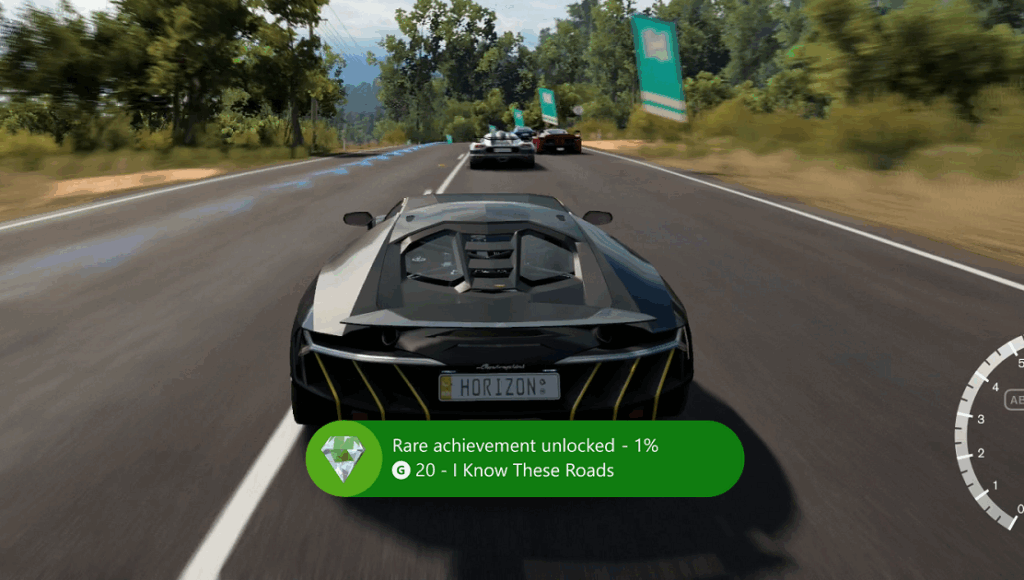
Two decades have passed since Xbox Achievements first appeared on the Xbox 360, yet the sound of that unmistakable “pop” still triggers the same rush it did in 2005. For many players, Achievements have become more than digital trophies. They are tiny hits of validation, proof of perseverance, and a reminder that games can feel meaningful even in the smallest moments. As someone who has spent years watching that gamerscore tick higher (with over 203,000 gamerscore personally), I understand exactly why they remain addictive. It goes deeper than nostalgia. Achievements scratch an itch that modern gaming has never fully replaced.
The Psychology Behind the Pop
The brilliance of Achievements lies in their simplicity. They reward curiosity, mastery, and even failure. You do not need to be a competitive player to enjoy them, and you do not need to finish every game to feel progress. That range is what keeps people hooked. There is something genuinely satisfying about completing a challenge that the developer silently set for you.
Xbox has always understood the emotional effect of simple milestones. Even now on Series X|S hardware, Achievements still feel like a micro celebration. The moment you hear that soft chime, your brain releases a tiny burst of dopamine. It feels earned. It feels personal. And it is one of the reasons the feature has survived so long without dramatic reinvention.
Microsoft keeps the system feeling familiar across generations too. The Achievement structure introduced on the Xbox 360 still exists on the Xbox Series X, and the consistency has given players a sense of identity that grows with every title unlocked. This continuity is part of why Achievements still matter to so many players today, supported by the fact that the Xbox ecosystem continues to evolve under the wider Xbox platform vision from Xbox.
Achievements as a Quiet Form of Storytelling
Some of the most memorable Achievements in gaming are not tied to combat or difficulty. They are tied to moments. They often highlight emotional turning points, hidden character choices, or small slices of worldbuilding that players might otherwise miss. Achievements can shape the way we explore, encouraging us to slow down, experiment, or revisit something we overlooked the first time.
For many players, Achievements have become a diary of sorts. When I scroll through my list, I can see the exact week I got lost in a single game, the nights I stayed up too late, or the times I tried something way outside my usual genre. These tiny entries become memories. And that is why Achievements do more than track progress. They capture the experiences that come with it.
The Competitive Edge Without the Toxicity
Online multiplayer can be exhausting. Competition is fun, but it can also be hostile. Achievements offer a healthier kind of challenge. They give you goals that feel competitive but personal. You are not trying to beat a stranger, you are trying to beat a number you set for yourself.
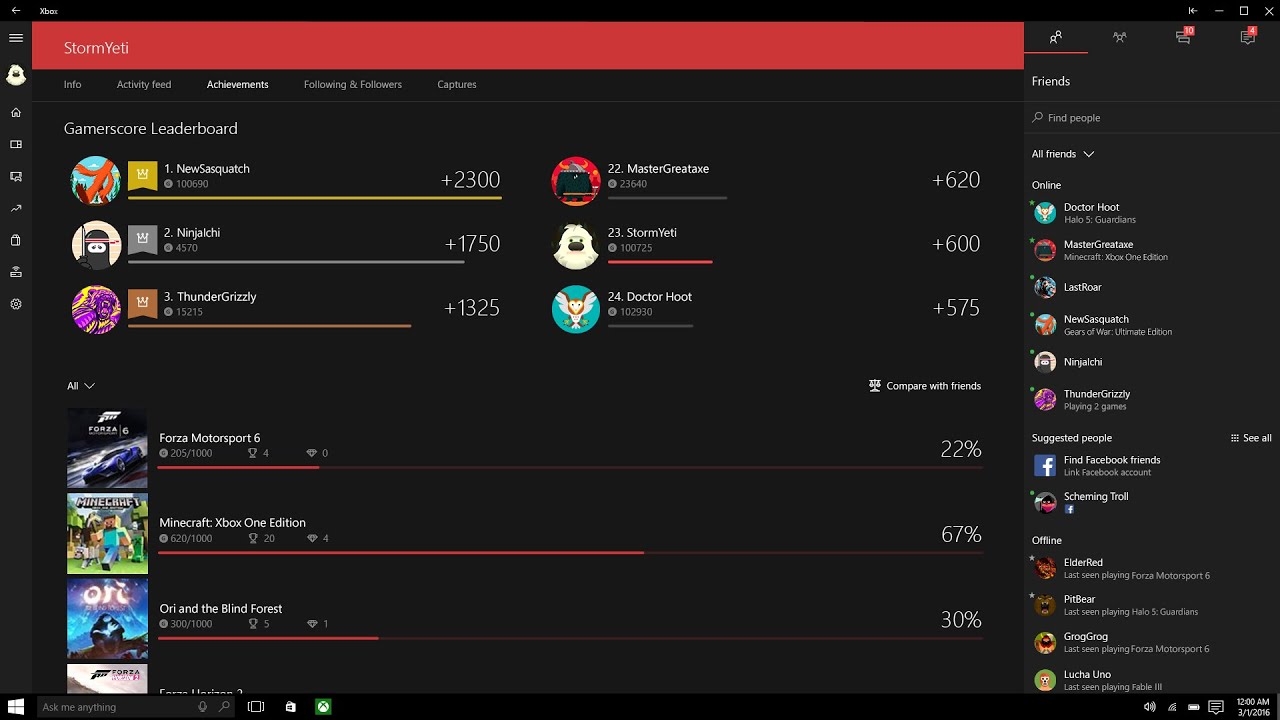
Leaderboards exist, of course, but they rarely feel oppressive. Most players chase Achievements for private satisfaction. It is a quiet form of competition that encourages growth without pressure. This is partly why the gamerscore system became iconic. It was measurable, visible, and universal, yet it never demanded perfection.
Why Gamerscore Still Matters
Gamerscore should be outdated by now, but it is not. Every point is attached to a moment of effort or discovery, and the total becomes a reflection of your play style. Some people chase rare completions. Some jump between titles. Some take pride in finishing huge open world games one Achievement at a time.
There is a charm in seeing someone with 40,000 points and knowing they have quietly experienced hundreds of small victories. Even though Achievements do not affect gameplay, matchmaking, or purchases, they carry a social value. They say something about who you are as a gamer.
A System That Grew Up With Its Players
Achievements have survived 20 years because the players who grew up with them still enjoy the ritual. Many of us remember earning our first Achievement on the Xbox 360, discovering secret ones hidden in the menus, or listening to friends brag about a rare 1000G completion. Achievements became part of the Xbox culture. That emotional connection is not something you can patch out or replace.
Even as gaming shifts toward live service titles, cloud streaming, or cross-platform ecosystems, Achievements remain a constant. The fact that a feature from 2005 still feels relevant shows how deeply woven it is into the identity of Xbox as a brand. The straightforward nature of Achievements has kept them timeless, much like the shared progression system that spans across Xbox consoles and PC through Microsoft’s official gaming services.

The Future of Achievements
It is unlikely that Achievements will ever disappear. If anything, they may become more personalised, more community driven, or more integrated into cloud features. Yet the core idea will stay the same. Unlock something. Celebrate it. Keep going.
Even after 20 years, the formula still works because it taps into real human motivations. Curiosity. Challenge. Order. Pride. Identity. Achievements are addictive because they give players meaning in moments that would otherwise pass by unnoticed.
As long as games continue to evolve, the satisfaction of that iconic Achievement pop will continue to echo across living rooms around the world.
Frequently Asked Questions
Why were Xbox Achievements introduced in the first place?
Achievements were designed to give players universal goals that extend beyond gameplay. They offered structure, reward, and a way for Xbox to create a shared progression system across all titles.
Why do Achievements still feel rewarding even after so many years?
The emotional satisfaction comes from completing small, meaningful challenges. The iconic pop sound and visual feedback create a consistent sense of reward that players never outgrow.
Will Xbox ever replace the Achievement system?
It is unlikely that Achievements will disappear. They are deeply tied to Xbox’s identity. Future evolutions may add personalisation or social features, but the core concept will remain.

Hi, I’m Luke. I write and edit for GameDayRoundup, covering everything from football stories to gaming and esports news. I enjoy digging into the details behind each topic so readers get something clear, honest and interesting every time they land on the site. I spend most of my time researching new stories, planning fresh ideas and making sure our content feels real and enjoyable to read.