
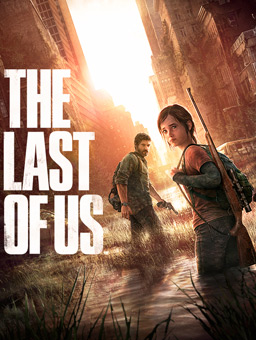
Some stories have a profound cultural impact; others fade away. The Last of Us has become synonymous with Gold Standard gaming and television. It is more than a post-apocalyptic tale. It reshaped how we understand video games, storytelling, grief, love and survival.
From its first release on the PlayStation 3 to its hauntingly faithful HBO adaptation, The Last of Us didn’t just entertain. It captures the incredibly human aspect of family and love, and shows us how they can be both beautiful and evil things. This is why it became a cultural phenomenon rather than just another successful franchise.
A Story That Touched Something Raw
From a gameplay perspective, it’s a zombie survival game, in which you have to traverse a post-apocalyptic world that has been infected by a brain-controlling fungus called cordyceps. The joy of this game is exploring the ruins, gathering supplies, fighting clickers and runners this universe’s zombies and traversing an incredibly well-written story. At its core though, are the characters, who uplift this story from a good game to an exceptional game. The story itself isn’t the zombies, it isn’t the world. It is about trauma, fragile hope, moral ambiguity and impossible choices. Joel and Ellie’s relationship feels painfully real. It plays on a fairly familiar story trope, a father looking for a daughter, a daughter looking for a father. It evolves slowly through shared silence, sarcastic quips and unspoken grief, mirroring real human bonds far more authentically than most mainstream entertainment ever attempts.
Naughty Dog, the studio behind the game, crafted a narrative that refuses easy comfort. The emotional weight came from its honesty. That is why the story lingered long after the controller was set down. You did not simply finish The Last of Us. You carried it with you.
Rewriting the Language of Video Game Storytelling
The Last of Us was created in a period of gaming in which powerful and emotional stories were sorely lacking. In an industry which had been moving away from campaign based stories and more towards multiplayer, The Last of Us reminded everyone that you can experience a deeply personal game. This game shifted the conversation toward emotional storytelling in games, cinematic pacing and character-driven narratives. It blurred the line between film and interactive experience in a way that, at the time hadn’t been explored enough.
Players were not just observers. They were participants in Joel’s moral dilemma, invested in Ellie’s vulnerability and resilience, and forced to confront ethical questions without clear answers. This depth is what elevated the game into a wider cultural dialogue about empathy, humanity and sacrifice.
The HBO Series and a New Wave of Cultural Impact
When HBO adapted The Last of Us, scepticism was inevitable. Yet the series did not dilute the story. It amplified it. With careful pacing, respectful faithfulness and daring emotional depth, the adaptation introduced the world of Joel and Ellie to millions who had never picked up a controller.
The series became appointment viewing, igniting social media discussion, family debates and emotional reflections across the globe. Episodes like Bill and Frank’s storyline became standalone cultural moments, changing how audiences viewed love and vulnerability in apocalypse narratives.
This crossover into mainstream prestige television was guided officially by HBO, cementing its place not just in gaming history but in modern television culture.
Timing, Trauma and a World Ready to Feel
The Last of Us arrived at a time when audiences were emotionally primed. Global uncertainty, pandemic fatigue and social anxiety made its themes of loss, isolation and survival resonate even more deeply. People saw their fears and resilience reflected in its fictional devastation.
It did not glamorise apocalypse. It explored the emotional psychology of survival. That authenticity made it feel relevant, deeply personal and strangely therapeutic.
A Legacy Built on Emotion, Not Explosions
Plenty of franchises thrive on spectacle. The Last of Us thrives on silence, stillness and slow-burn emotion. It respects its audience’s intelligence. It invites reflection rather than spoon-feeding answers. This emotional bravery is what made it unforgettable.
It became cultural shorthand for quality storytelling, discussed in classrooms, analysed in therapy spaces, and referenced in global creative circles. Few fictional worlds achieve that level of permanence.
Why It Still Resonates Today
Years after its original release, The Last of Us still sparks debate, emotion and intense loyalty. It continues to influence game developers, screenwriters and storytellers worldwide. Its emotional honesty and narrative fearlessness feel more relevant as the world grows more complex.
Frequently Asked Questions
Why did The Last of Us resonate so deeply with audiences?
Its emotional authenticity, complex characters and morally challenging storytelling created an experience that felt deeply human rather than purely fictional.
Did the HBO series contribute to its cultural impact?
Yes, the HBO adaptation expanded its reach globally, introducing the story to non-gamers and elevating it to mainstream cultural discussion.
Is The Last of Us still relevant today?
Absolutely. Its themes of grief, survival and emotional resilience remain powerful and increasingly relatable in modern society.

Hi, I’m Jacob. I write and edit for GameDayRoundup with a focus on football news, gaming culture and the growing world of esports. I enjoy breaking down big stories into something that feels approachable and fun to read. I’m always looking for new topics, new angles and new ways to keep our readers informed without overcomplicating anything. Writing for this site lets me share the things I follow every day and I love being part of the team.