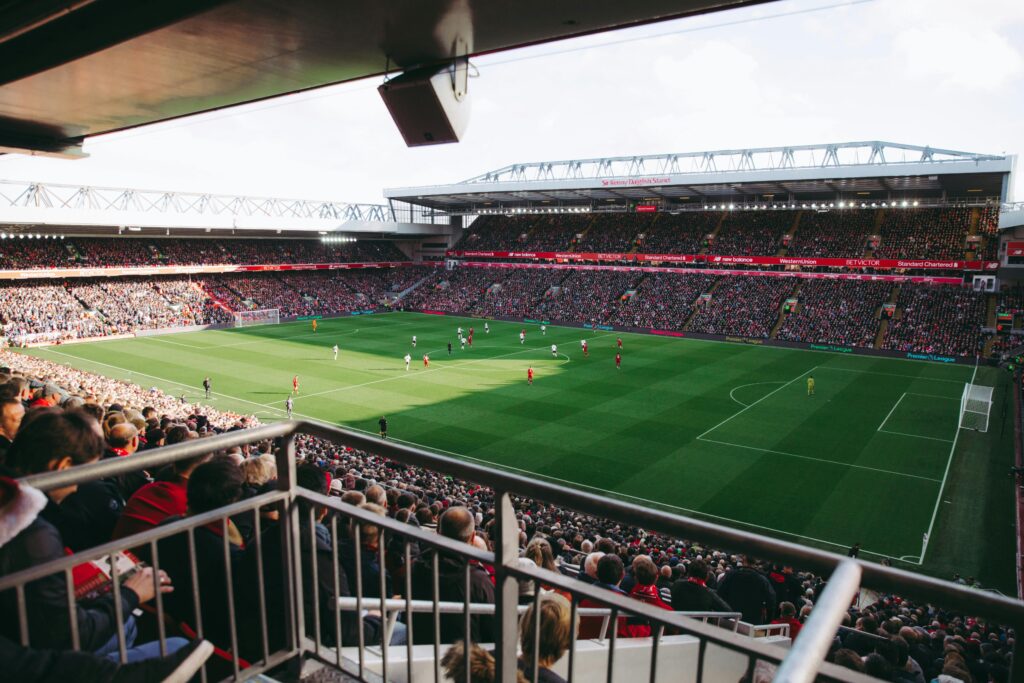
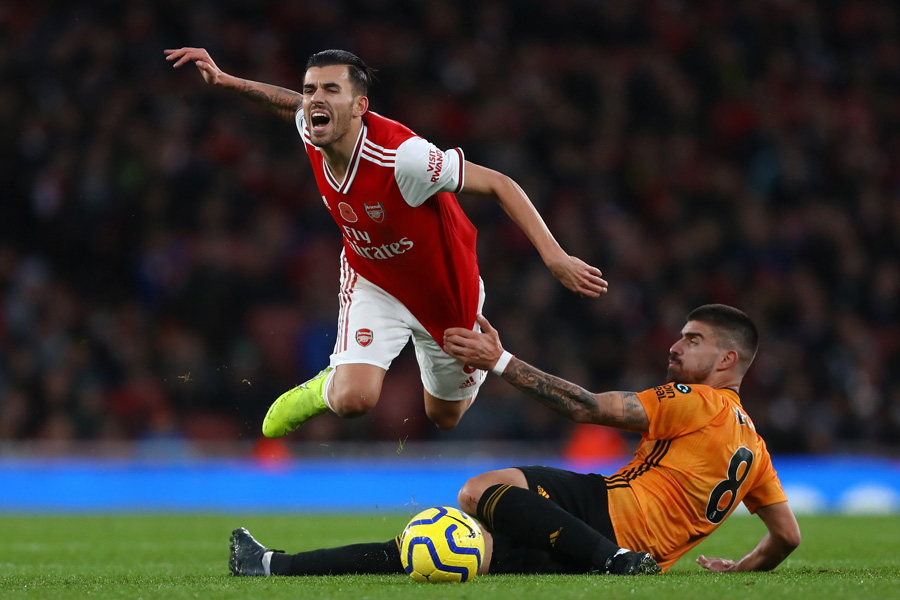
Not all fouls are mistakes. In modern football, some are deliberate, calculated, and quietly praised by coaches. Tactical fouling — once viewed as cynical cheating — has become an essential defensive tool at the highest level. From stopping counterattacks to resetting defensive shape, tactical fouls now sit at the intersection of strategy, risk management, and rule exploitation.
This article explains why tactical fouling became essential in modern football, how it evolved, why referees tolerate it more than fans realise, and why the game struggles to eliminate it.
The rise of transition-based football
The single biggest reason tactical fouling exists is speed. Modern football is built around transitions. Teams attack with more players, press higher, and leave more space behind them. When possession is lost, the danger is immediate.
One clean counterattack can undo 20 minutes of control. Tactical fouling solves this problem brutally and efficiently. By stopping play before a counter develops, teams:
- Prevent numerical disadvantages
- Allow defensive lines to reset
- Control match tempo
It is risk management disguised as indiscipline.
Pressing systems made fouls more valuable
High pressing changed the cost-benefit equation of fouling. When teams commit numbers forward to press, they accept vulnerability behind the press. Losing the ball in these moments is dangerous. A small foul in midfield is often cheaper than:
- Defending a 3v3 sprinting toward goal
- Forcing centre-backs to step into wide areas
- Allowing elite attackers to attack space
Coaches understand this trade-off clearly. One yellow card is often preferable to one conceded goal.
Midfielders became the primary offenders
Tactical fouling is not random. It is most commonly executed by central midfielders — especially defensive and box-to-box profiles.
These players operate in zones where:
- Counters begin
- Referees are less likely to show red cards
- Fouls appear “accidental”
They are trained to sense danger early and interrupt momentum before it becomes obvious. By the time a counter reaches defenders, it is often too late.
You may also like: Why the Premier League Breaks Players Faster Than Any Other Top League
Refereeing patterns unintentionally encourage it
Despite rule changes, refereeing trends still favour tactical fouling.
Referees are hesitant to:
- Issue early yellow cards
- Send players off for accumulation
- Decide matches with marginal fouls
Teams exploit this tolerance. By spreading fouls across multiple players, clubs reduce individual risk while maximising collective disruption. It is not unsporting behaviour in isolation. It is systemic optimisation.
Why VAR has not solved the problem
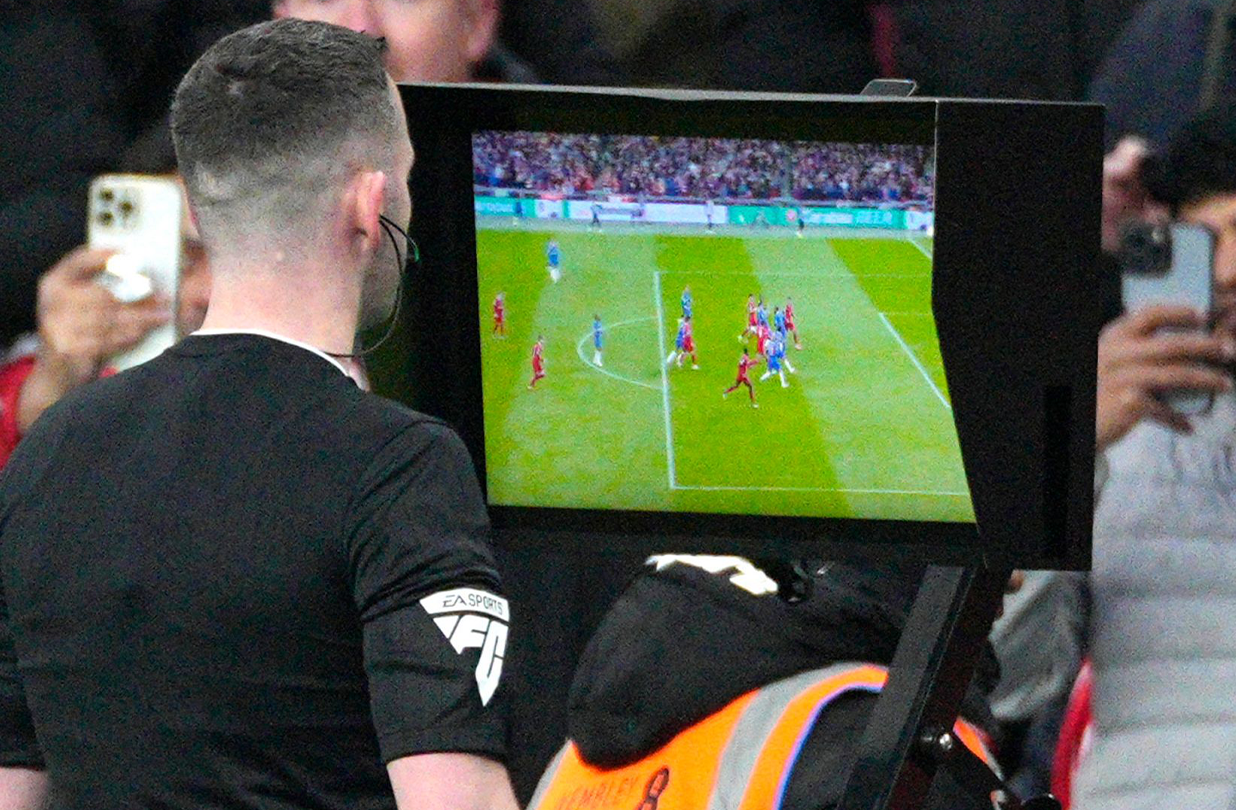
VAR was expected to reduce cynical behaviour. It did not. That is because tactical fouls rarely meet thresholds for:
- Clear red cards
- Serious foul play
- Obvious errors
They live in grey areas — small pulls, minor blocks, clipped heels. VAR can review incidents. It cannot judge intent consistently. As long as fouls remain minor and early, technology offers little deterrence.
You may also like: The Premier League Refereeing Crisis Nobody Wants to Talk About
Teams accept yellow cards as strategic currency
In modern football, yellow cards are managed assets. Clubs track:
- Which players can afford bookings
- When suspensions reset
- How aggressively individuals can foul
Late-season matches often feature deliberate yellow cards taken weeks earlier with full awareness of suspension thresholds. This planning turns discipline into strategy.
Why tactical fouling is hard to remove
Eliminating tactical fouling would require structural changes. Possible solutions include:
- Stricter accumulation punishments
- Temporary sin bins
- Automatic yellows for transition fouls
Each carries consequences referees and governing bodies are reluctant to introduce. Football prioritises flow. Tactical fouling exploits that priority.
Is tactical fouling ruining football?
That depends on perspective. Fans see it as anti-football. Coaches see it as control. Players see it as survival. As long as transitions remain decisive and rules reward risk mitigation, tactical fouling will persist. It is not a loophole. It is a response to how the game is played.
Final thoughts
Tactical fouling did not emerge by accident. It evolved alongside pressing, athleticism, and transition-based attacks. It is taught, rehearsed, and expected at elite level. Modern football rewards teams who manage chaos. Tactical fouling is one of the simplest tools available.
Until the cost outweighs the benefit, it will remain essential — no matter how unpopular it looks.
Frequently Asked Questions
What is tactical fouling in football?
A deliberate foul used to stop counterattacks or disrupt momentum rather than win the ball.
Why do referees allow tactical fouling?
Because most incidents fall below red-card thresholds and are spread across players.
Has VAR reduced tactical fouling?
No. Tactical fouls rarely meet VAR intervention criteria.
Can football eliminate tactical fouling?
Only through major rule changes that alter risk-reward dynamics.

Hi, I’m Luke. I write and edit for GameDayRoundup, covering everything from football stories to gaming and esports news. I enjoy digging into the details behind each topic so readers get something clear, honest and interesting every time they land on the site. I spend most of my time researching new stories, planning fresh ideas and making sure our content feels real and enjoyable to read.