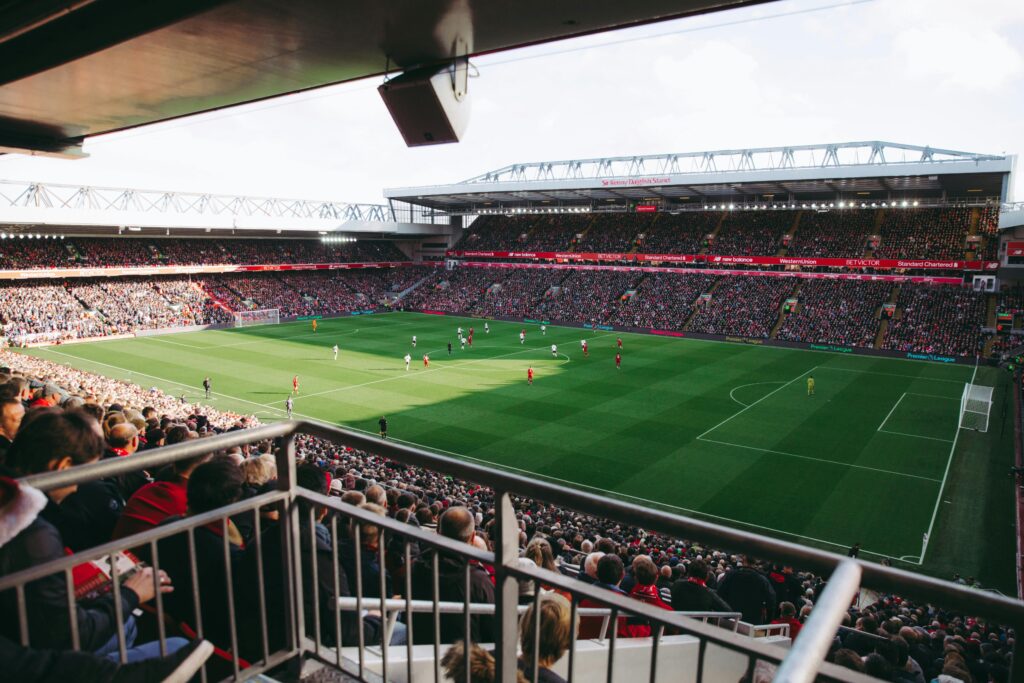
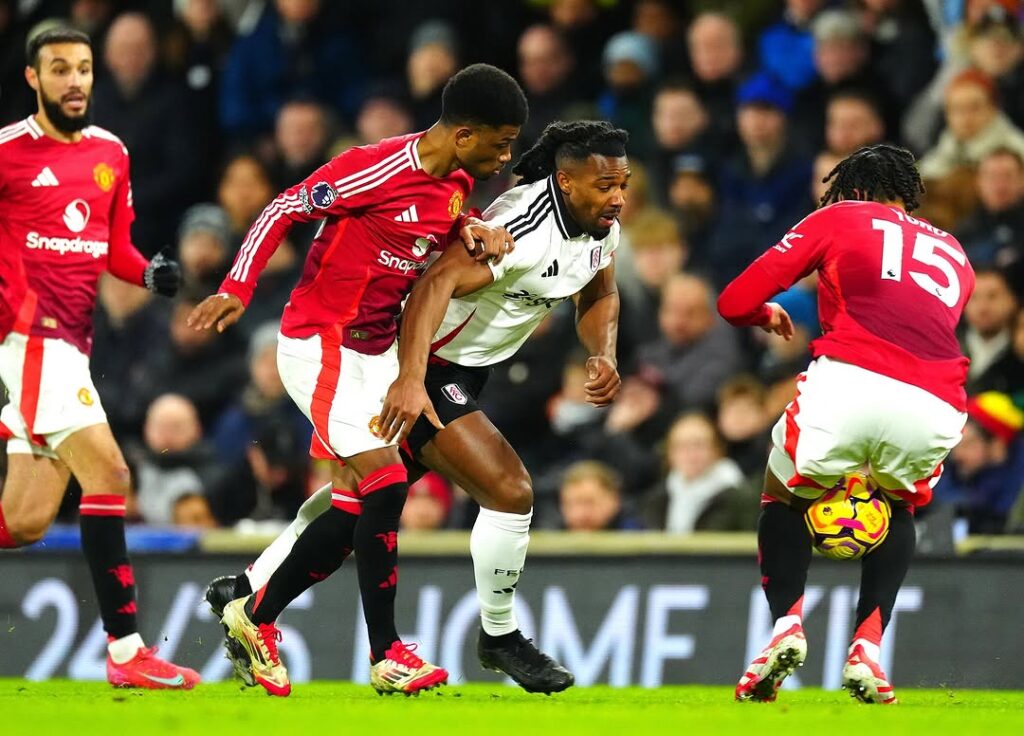
The Premier League is often described as the most intense football league in the world. Faster, stronger, more relentless. Fans repeat it. Pundits argue it. Players moving in and out of England feel it immediately. But this reputation didn’t appear by accident, and it’s not just marketing.
Compared to La Liga, Serie A, Bundesliga, or Ligue 1, the Premier League places unique physical demands on players that affect careers, tactics, and even transfer success. Some thrive in it. Others struggle despite elite technical ability.
This article breaks down why the Premier League is so physically demanding, how it differs from other top leagues, and why those differences still matter in modern football.
Match tempo: fewer pauses, more chaos
The first thing players notice when they arrive in England is the tempo. Matches rarely slow down. Referees allow more physical contact, transitions happen faster, and the ball spends less time out of play.
In many European leagues, fouls are used tactically to reset shape and control rhythm. In the Premier League, those fouls are more often waved on. This creates extended passages of play where players are forced to sprint, recover, and sprint again with minimal rest.
Statistically, Premier League matches consistently rank among the highest for:
- High-intensity sprints per game
- Transitions per 90 minutes
- Second-ball contests
This constant movement increases fatigue and makes recovery between matches more difficult, especially during congested periods.
Physical duels are culturally embedded
English football has always valued physical competitiveness. While the modern Premier League is tactically sophisticated, the cultural expectation of “winning your battles” remains deeply ingrained.
Centre-backs are expected to dominate aerially. Full-backs are expected to defend one-on-one repeatedly. Midfielders are pressured relentlessly rather than screened passively.
In contrast:
- La Liga prioritises positional control and ball circulation
- Serie A emphasises structure and spacing
- Bundesliga leans into pressing systems with more tactical fouling
The Premier League blends pressing with physical confrontation, creating a hybrid style that demands both endurance and strength.
Squad depth raises the baseline intensity
One overlooked reason the Premier League is so demanding is money. Even teams in the bottom half often have international-level athletes across their squad.
This raises the baseline. There are fewer “easy” matches. Rotations still produce fast, aggressive line-ups capable of pressing and countering for 90 minutes.
In other leagues, elite teams often dominate possession against weaker opposition, allowing players to conserve energy. In England, even relegation candidates press aggressively and transition quickly.
The result is cumulative fatigue across a season.
Fixture congestion amplifies physical decline
The Premier League calendar is uniquely punishing. Domestic cups, European competitions, and the absence of a true winter break all combine to reduce recovery windows.
During festive periods, teams can play:
- 3 matches in 7 days
- With full-intensity pressing
- Often against physically direct opposition
This congestion disproportionately affects players who rely on explosiveness, which is why wingers and full-backs often show earlier physical decline in England.
Why some elite players struggle after transferring
Fans are often surprised when technically gifted players struggle in the Premier League. The reason is rarely talent. It is adaptation.
Players coming from leagues with:
- Slower tempo
- More tactical fouling
- Longer recovery phases in matches
can find themselves overwhelmed by the physical repetition demanded in England. Even decision-making suffers when fatigue accumulates faster.
Those who succeed usually either:
- Improve their physical conditioning dramatically
- Play in systems designed to protect them

Has the Premier League become less technical?
This is a common misconception. The league has not become less technical; it has raised the minimum technical level while increasing physical demand.
Modern Premier League football requires:
- Press resistance under contact
- First-touch control at sprint speed
- Decision-making while fatigued
That combination is what separates the Premier League from other leagues, not a lack of tactical nuance.
Why the reputation persists
Players talk. Coaches compare notes. Sports scientists track load data.
The Premier League’s physical reputation persists because it is repeatedly validated by those who experience it. Careers shorten. Injury management becomes crucial. Squad rotation is no longer optional.
It is not simply “harder football.” It is football that extracts more from the body, week after week.
Final thoughts
The Premier League is not superior to other leagues in every way, but it is uniquely demanding physically. Tempo, culture, squad depth, and scheduling combine to create a league where endurance and resilience are as important as skill.
For fans, understanding this context explains why form fluctuates, why transfers fail, and why longevity in England is increasingly rare.
The Premier League does not just test footballers. It wears them down.
Frequently Asked Questions
Is the Premier League more physical than other leagues?
Yes. It combines high tempo, fewer stoppages, frequent duels, and fixture congestion, making it uniquely demanding.
Why do players struggle after moving to the Premier League?
Many struggle with the pace, reduced recovery time, and repeated high-intensity actions rather than technical difficulty.
Has the Premier League always been this intense?
No. The modern Premier League has increased both technical and physical demands compared to previous eras.
The Premier League’s pace, physical culture, and relentless schedule make it uniquely demanding. Here’s why players feel it more than in any other league.
Wingers, full-backs, and box-to-box midfielders experience the highest physical load due to sprint volume and recovery demands.

Hi, I’m Luke. I write and edit for GameDayRoundup, covering everything from football stories to gaming and esports news. I enjoy digging into the details behind each topic so readers get something clear, honest and interesting every time they land on the site. I spend most of my time researching new stories, planning fresh ideas and making sure our content feels real and enjoyable to read.