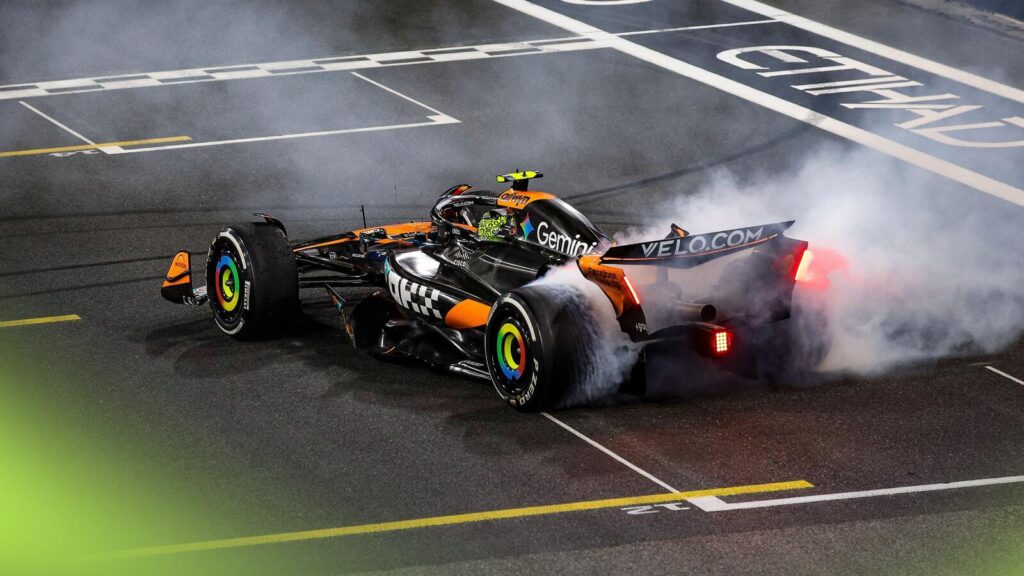
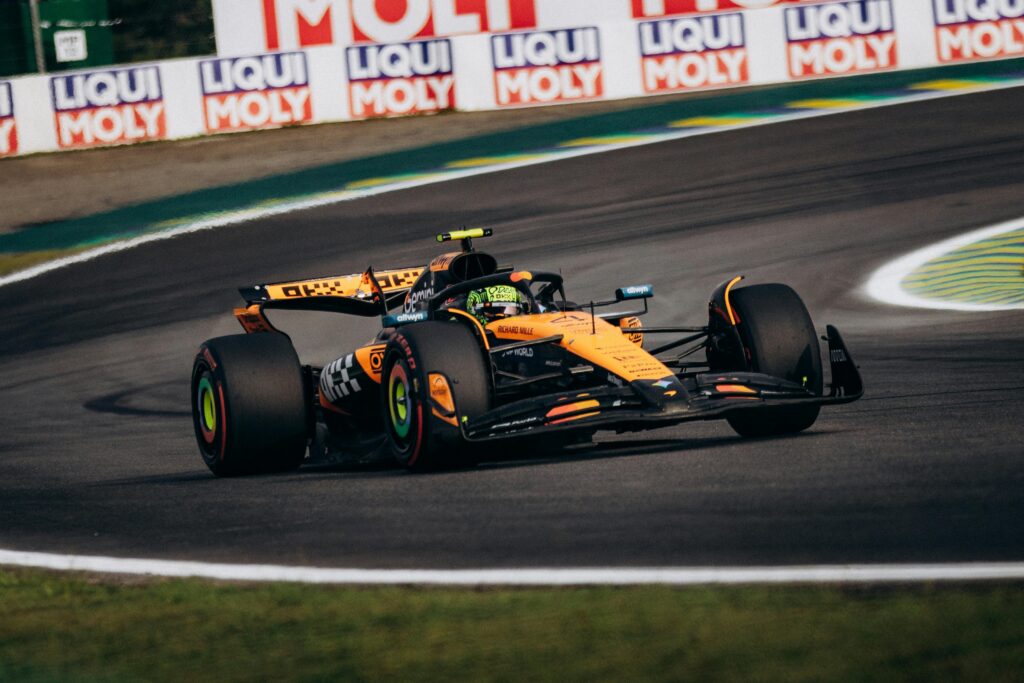
Formula One drivers are some of the fittest athletes on the planet, yet many fans are shocked to learn that they can lose up to four kilograms during a single Grand Prix. The weight loss is not a myth or an exaggeration. It is a direct result of the extreme physical, mental, and thermal stress inside the cockpit. Unlike most sports where athletes can slow down, reset, or take breaks, an F1 driver spends nearly two hours fighting g forces, overheating, dehydration, and constant decision making without a moment to pause. Understanding why the human body reacts this way reveals just how demanding elite motorsport truly is.
The Hidden Heat Inside an F1 Cockpit
The temperature inside an F1 car is far more intense than television cameras reveal. Drivers are surrounded by electronics, hydraulic systems, and a turbo hybrid power unit that generates significant heat. Cockpit temperatures can reach more than fifty degrees Celsius on some circuits. This has been a concern for teams and governing bodies, and the FIA regularly monitors cockpit safety and driver welfare. In these conditions, a driver sweats continuously from the formation lap to the chequered flag. The loss of body fluid over a long race becomes substantial, sometimes hitting levels that would normally require medical supervision.
Heat affects more than comfort. When the body is pushed to extremes, it prioritises cooling above everything else. This is why drivers often feel light headed or drained as they step out of the car. The heat they experience is relentless, and their bodies react exactly as you would expect when placed under sustained thermal stress.
G Forces and Muscle Load Increase Calorie Burn
An F1 driver experiences forces that most athletes never face. Hard braking can pull five g, high speed corners can push three g or more, and some races involve hundreds of directional changes. Every time the car turns, the body strains to hold position. Drivers often compare the feeling to having their heads repeatedly pulled sideways by a heavy weight. Neck, core, and shoulder muscles remain active for almost the entire race.
This constant muscle engagement dramatically increases calorie burn. Even on circuits with lower cornering demands, drivers can burn more than one thousand calories during a Grand Prix. Physical conditioning becomes essential, and many drivers work closely with performance staff trained under standards aligned with organisations like Scuderia Ferrari’s sports science team, who emphasise strength, heat conditioning, and recovery.
Sweat Loss and Dehydration
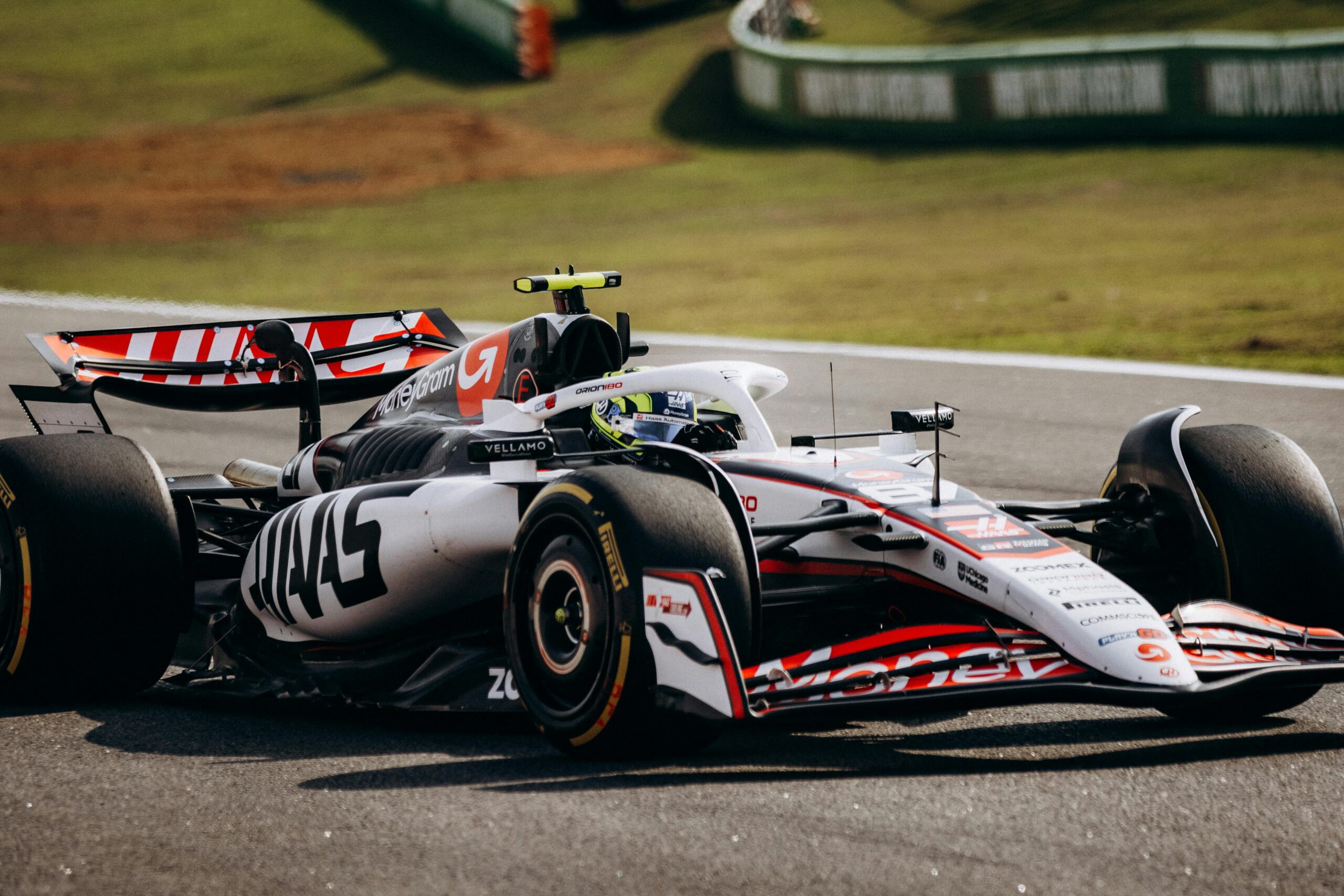
The most significant contributor to race weight loss is dehydration. When a driver sweats faster than they can rehydrate, the body rapidly sheds fluid. Some drivers lose more than three litres of water during a hot race weekend. Teams provide water systems inside the car, but fluid intake during intense driving is limited. Drivers must judge when it is safe to drink, and even then, the harsh environment means the water barely offsets the volume of sweat being lost.
When dehydration sets in, heart rate climbs, reaction times slow, and concentration becomes harder to maintain. Despite these risks, drivers push through because even the smallest lapse in focus can cost seconds, positions, or championship points. The combination of fluid loss and elevated heart rate explains why drivers often look exhausted once they remove their helmets.
Mental Stress and Cognitive Load
Physical fatigue is only part of the story. Mental workload during an F1 race is enormous. Drivers must make split second decisions while processing tyre degradation, fuel management, strategy calls, radio communication, braking points, and wheel to wheel battles. High intensity concentration increases energy expenditure. The brain alone can burn a significant number of calories under sustained pressure.
Long races amplify the emotional strain. Championship pressure, unpredictable weather, safety car restarts, and on track battles all contribute to elevated stress levels. When the mind works at full intensity for nearly two hours, the body follows. Mental effort, combined with heat and g forces, accelerates fatigue and contributes to overall weight loss.
Race Suits and Protective Gear Trap Heat
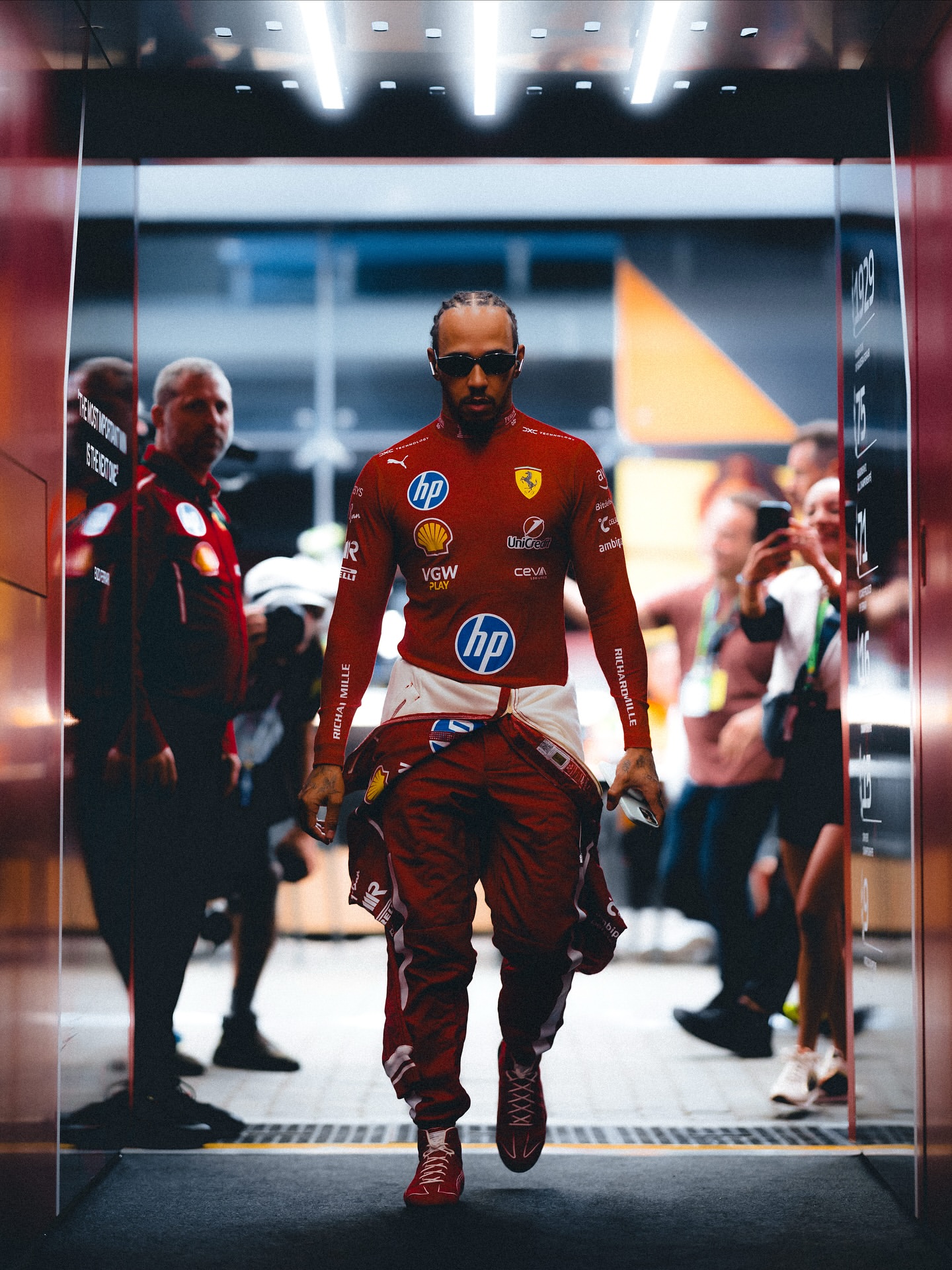
Another overlooked factor is the mandatory race gear. Drivers wear multiple layers of FIA approved fire resistant clothing that meets strict safety standards. The suits are designed for protection, not cooling. Gloves, balaclavas, boots, and reinforced underwear trap heat against the skin. While this protects drivers in the event of fire, it also contributes to overheating during a race.
Cooling systems help during preparation laps, but once the lights go out, the airflow inside the cockpit is minimal. Protective gear becomes part of the challenge. Drivers train for this added weight and heat, adapting their bodies to cope with conditions that would overwhelm most athletes.
High Heart Rate and Continuous Effort
Throughout a Grand Prix, the average heart rate of an F1 driver sits between 150 and 180 bpm, similar to a long distance endurance athlete. Moments of heavy braking or unexpected battles can push it even higher. Sustaining such intense output forces the body to burn energy at a rapid pace.
Unlike endurance athletes who can vary their pace or find rhythm, drivers absorb constant physical shock. Maintaining control of a car at more than 300 km per hour requires stability, strength, precision, and reflexes. Every lap takes a toll, and by the end of a race, the cumulative load results in notable weight loss.
Conclusion
F1 drivers lose weight during races because their bodies are pushed to the limit in almost every measurable way. Extreme heat, g forces, dehydration, high heart rate, and mental stress combine to create one of the most demanding environments in professional sport. The weight they lose is a symbol of just how punishing the sport really is. When drivers step out of the cockpit drenched in sweat, drained of energy, and visibly exhausted, they are experiencing the aftermath of a physical battle that viewers rarely see yet remains central to the drama and challenge of Formula One.
Frequently Asked Questions
Do F1 drivers really lose several kilos during a race?
Yes. Heat, dehydration, muscle strain, and sustained effort can cause drivers to lose two to four kilograms during long hot races.
Why is the cockpit so hot?
Because the engine, hybrid systems, and electronics generate extreme heat, and the cockpit has limited ventilation. The FIA regulates safety but cannot remove all heat.
Does weight loss affect driver performance?
Severe dehydration can slow reaction times and increase fatigue, but elite drivers train extensively to cope with harsh race conditions.
Do drivers try to lose weight before a race?
Drivers aim to be at their optimal racing weight, but rapid in-race weight loss is a consequence of extreme stress, not a strategy.

Hi, I’m Luke. I write and edit for GameDayRoundup, covering everything from football stories to gaming and esports news. I enjoy digging into the details behind each topic so readers get something clear, honest and interesting every time they land on the site. I spend most of my time researching new stories, planning fresh ideas and making sure our content feels real and enjoyable to read.