Football has evolved dramatically over the last two decades. Tactical systems have become more complex, pressing structures more aggressive, and transitions faster than ever before. Amid this tactical revolution, one position has quietly become the heartbeat of elite teams: the defensive midfielder. Once viewed simply as a destroyer or shield in front of the back line, the role has transformed into one of football’s most intelligent, demanding, and influential positions.
The Tactical Evolution of the Defensive Midfielder
Historically, defensive midfielders were primarily destroyers. Their primary job was to break up play, win tackles, and provide physical presence. However, as the game became more possession-focused and tactically structured, the role demanded more intelligence and technical ability. Managers began to rely on defensive midfielders to initiate attacks rather than just stop them.
Today, they serve as the first playmaker, often touching the ball more than any player on the pitch. They dictate tempo, recycle possession, and ensure positional balance. When their team attacks, they provide cover to stop counterattacks. When defending, they control pressing triggers, positioning teammates, and closing dangerous passing lanes.
Game Control and Tempo
The best teams in the world do not just attack well, they control the rhythm of the match. Defensive midfielders act as the team’s metronome, keeping possession structured and purposeful. Good tempo control means the difference between chaotic end‑to‑end football and calculated, controlled dominance.
The role requires awareness, scanning, intelligence, and composure under pressure. They must read the game seconds ahead, always offering passing angles and ensuring safe progression of the ball. Without them, teams become disjointed, predictable, and vulnerable.
Defensive Security and Transition Control
Modern football is heavily defined by transitions. Teams attack with more players than ever, leaving huge spaces when possession is lost. The defensive midfielder is the insurance policy. Their positioning prevents dangerous counters and protects central areas where most goals are created.
They anticipate danger before it happens. They intercept rather than just tackle. They delay attacks, allowing teammates to recover. Defensive midfielders who read transitions effectively turn potential disasters into harmless moments.
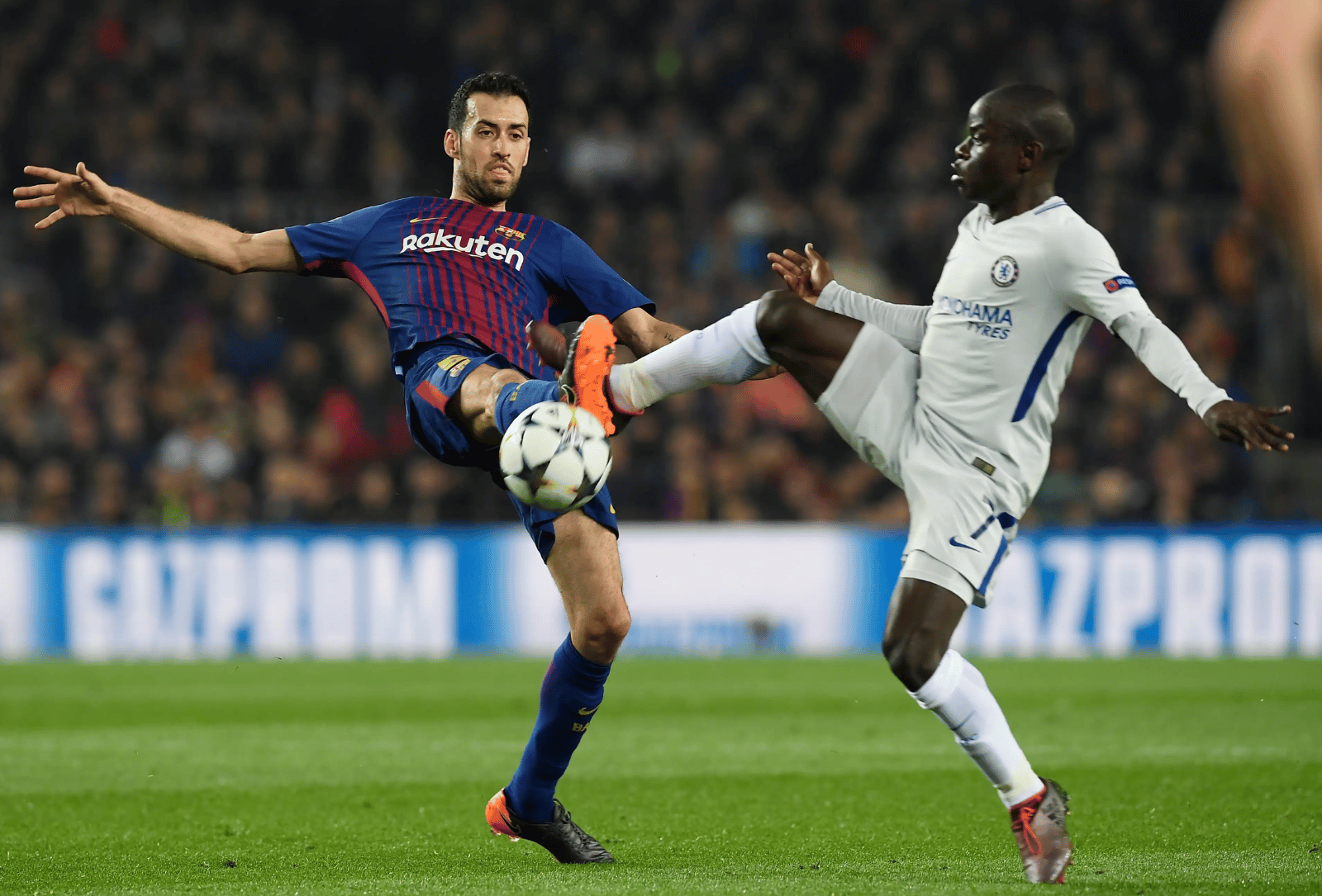
Leadership, Intelligence, and Communication
Many defensive midfielders act as on‑pitch coaches. Positioned centrally with a full view of the pitch, they constantly communicate, instruct, and organise. Their leadership stabilises the team, particularly in high‑pressure matches.
Football IQ is as important as physical ability. They must understand formations, adjust spacing, and react instantly to tactical shifts. Without a reliable anchor in midfield, even great teams struggle to maintain structure.
Examples of the Role’s Impact
Across generations, football has repeatedly shown how crucial this role is. Defensive midfielders have defined team identities, enabled attacking brilliance, and elevated tactical systems. Teams with elite defensive midfielders often dominate, while teams lacking one struggle to control games.
From possession‑focused systems to high‑pressing teams, the defensive midfielder remains the constant. Their influence stretches far beyond statistics; it is seen in stability, confidence, and tactical fluidity.
You may also like: Why Tactical Fouling Is Quietly One of Football’s Most Important Skills
Why This Role Will Only Become More Important
As football continues to accelerate, intelligence, structure, and control will matter more than ever. With pressing lines intensifying and tactical demands increasing, the defensive midfielder’s responsibilities will keep expanding. Younger players are now being developed specifically for this position, reflecting its importance.
The modern game is not defined solely by forwards or defenders, but by the players who connect every phase of play. That is why the defensive midfielder has become the true heartbeat of football.
Conclusion
The defensive midfielder is no longer just a destroyer. They are a controller, protector, architect, and leader. They shape the rhythm, secure the defence, and bring tactical intelligence to every phase of the game. In modern football, no position is more essential to success.
Frequently Asked Questions
What does a defensive midfielder do?
A defensive midfielder protects the defence, controls midfield transitions, dictates tempo, breaks up attacks, and helps structure the team both in and out of possession.
Why is the defensive midfielder important in modern football?
Modern football relies heavily on pressing, quick transitions, and structured possession. The defensive midfielder holds everything together, ensuring control, balance, and stability.
How has the role changed over time?
It has evolved from a purely defensive destroyer role into a highly technical, intelligent, and tactically advanced position responsible for both defence and build‑up play.
Is the defensive midfielder more important than attacking players?
While attackers score goals, defensive midfielders control games. Without structure and control, even the best attacks fail consistently.

Hi, I’m Luke. I write and edit for GameDayRoundup, covering everything from football stories to gaming and esports news. I enjoy digging into the details behind each topic so readers get something clear, honest and interesting every time they land on the site. I spend most of my time researching new stories, planning fresh ideas and making sure our content feels real and enjoyable to read.