
For much of the world, Christmas Day means rest. Football pauses, stadiums fall quiet, and leagues step away until the new year. In England, the opposite happens.
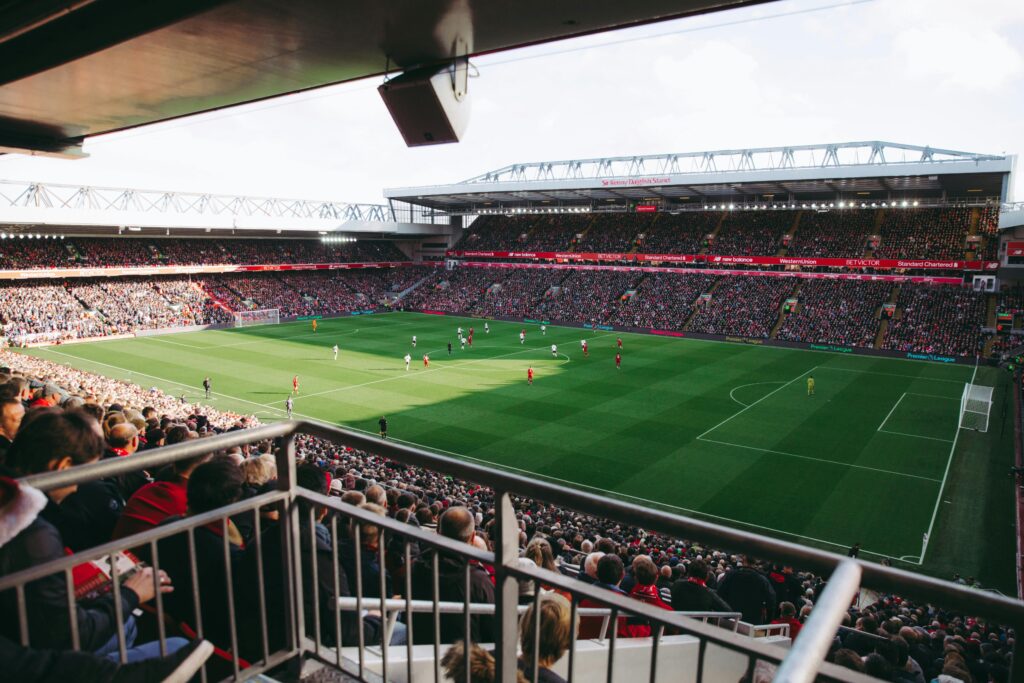
While families finish leftovers and winter mornings feel slower than usual, Boxing Day arrives with something deeply familiar. Packed stadiums. Cold breath in the air. Scarves pulled tight. Football, exactly as it has been for generations. Boxing Day football is more than tradition. It is one of the last remaining rituals that connects the modern game to its roots.
This article explores why Boxing Day football still matters, how it survived the commercial age, and why English fans would never give it up.
A tradition older than the modern league
Football on Boxing Day predates the Premier League by over a century.
In the late 1800s, fixtures were deliberately scheduled during holidays because workers finally had time off. Football became a communal event, something families could attend together, often walking from home to the ground. That tradition embedded football into Christmas culture long before television, sponsorships, or global audiences arrived. Boxing Day was not created for TV audiences. It was created for communities. That origin still shapes how the day feels now.
Why the atmosphere feels different
Boxing Day matches rarely feel ordinary. Supporters travel with fewer expectations and more emotion. The stress of work is gone. Rivalries feel sharper. Songs feel louder. Even routine league matches carry a sense of occasion. Players often speak about the atmosphere being unique. Stadiums fill earlier. Crowds include generations sitting together. The noise carries differently. Football becomes part of the holiday rather than an escape from it.
Physical cost, emotional reward
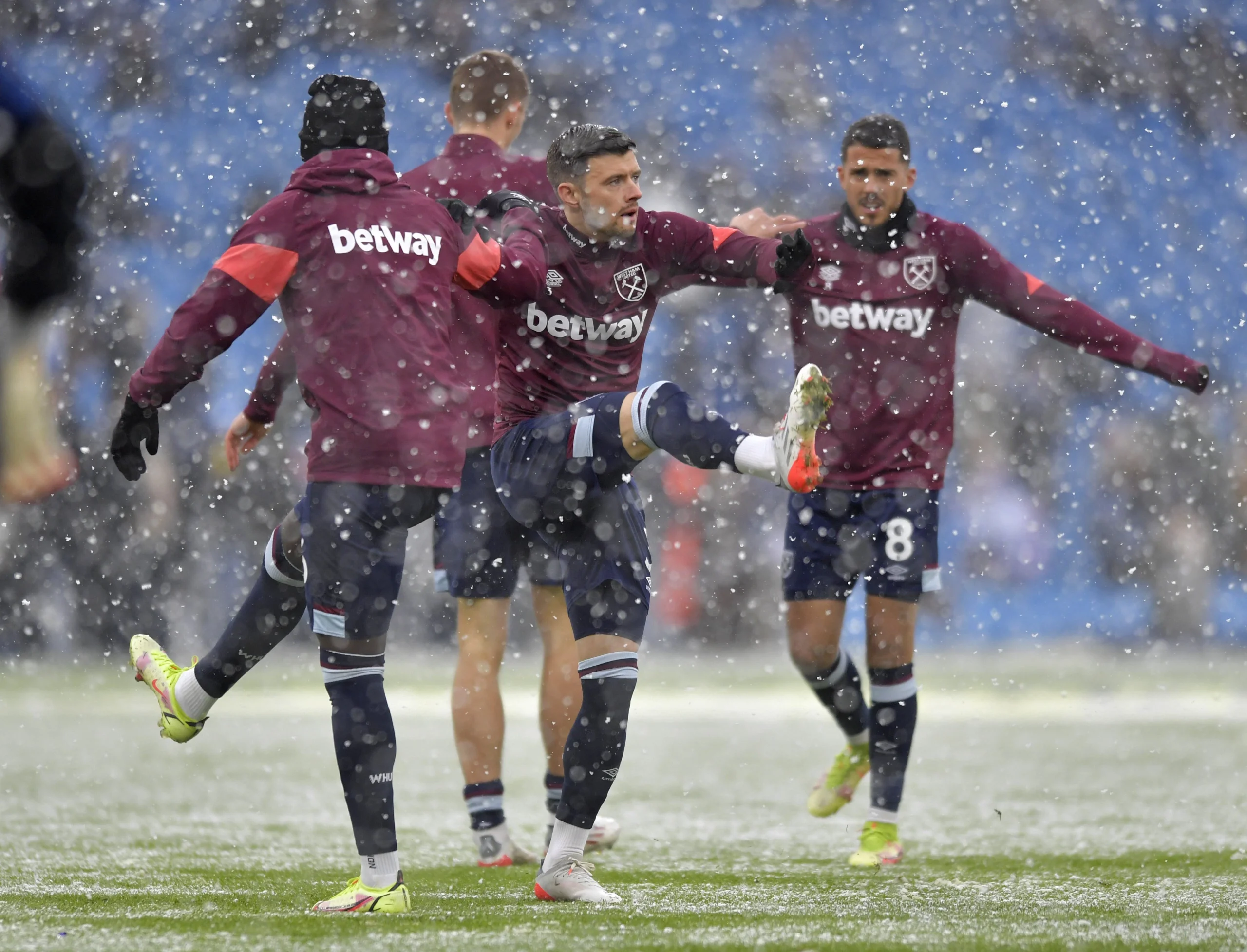
From a sporting perspective, Boxing Day is brutal. Players arrive exhausted from December congestion, often playing their third match in a week. Injuries increase. Recovery windows disappear. Managers rotate carefully but rarely fully.
And yet, fans rarely complain. There is an understanding in England that festive football comes at a cost. That cost is accepted because the emotional reward outweighs it.Football at Christmas feels earned.
Why England never followed Europe’s shutdown
Many European leagues pause for winter breaks. England never truly has. The reason is cultural rather than financial. Boxing Day football is not seen as a burden imposed on players. It is seen as part of the game’s identity. Removing it would feel like removing FA Cup replays or local derbies on Saturdays. Technically possible, emotionally unthinkable. Even as the Premier League globalised, this one tradition remained non-negotiable.
Modern football needs moments like this
As the game becomes more commercial, more scheduled, and more predictable, Boxing Day offers something rare. It offers chaos. Cold pitches. Heavy legs. Unexpected results. Matches decided by desire rather than structure. These are the days supporters remember decades later. Not because of titles, but because of how the football felt. Modern football needs these emotional anchors. Boxing Day remains one of the strongest.
Final thoughts
Boxing Day football endures because it connects the modern game to something older and more human. It is not about perfection. It is about familiarity. About turning up, year after year, regardless of form or fatigue. In an era where football constantly changes, Boxing Day reminds English fans why they fell in love with the game in the first place.
You may also like: The Science of Home-Field Advantage in Football
Frequently Asked Questions
Why does England play football on Boxing Day?
It dates back to the 19th century when workers had time off and football became a communal holiday event.
Do players dislike Boxing Day fixtures?
The schedule is demanding, but many players acknowledge the unique atmosphere and significance.
Will Boxing Day football ever be removed?
It is highly unlikely due to its cultural importance in English football.

Hi, I’m Luke. I write and edit for GameDayRoundup, covering everything from football stories to gaming and esports news. I enjoy digging into the details behind each topic so readers get something clear, honest and interesting every time they land on the site. I spend most of my time researching new stories, planning fresh ideas and making sure our content feels real and enjoyable to read.