The UFC has always relied on stars. From Conor McGregor to Ronda Rousey, Jon Jones, Khabib Nurmagomedov, Brock Lesnar, and Anderson Silva, the sport has grown on the backs of fighters who captured mainstream attention. They were not just champions. They were cultural figures.
But in 2026 the roster looks different. The sport is more skilled than ever, yet the global star power feels lighter. Many of the fighters who defined entire eras have retired or stepped away. New champions are talented but less magnetic to casual audiences. Pay per view buys, once driven by personalities, now depend heavily on matchmaking and promotion.
This is not a death sentence for the UFC. It is a transition. But it is also a warning.
The retirement of an entire golden generation
Over the past five years, MMA has seen a near simultaneous exit of major stars. Khabib walked away undefeated. McGregor’s activity became sporadic. Jones spent years outside the cage. Rousey moved to wrestling. Stipe Miocic, Joanna Jedrzejczyk, Daniel Cormier, Jose Aldo, and many others passed their primes or retired entirely.
These were household names who could headline any card by themselves. Their departure created a void, and the UFC has struggled to fill it at the same pace.
The new wave is elite, but not yet iconic
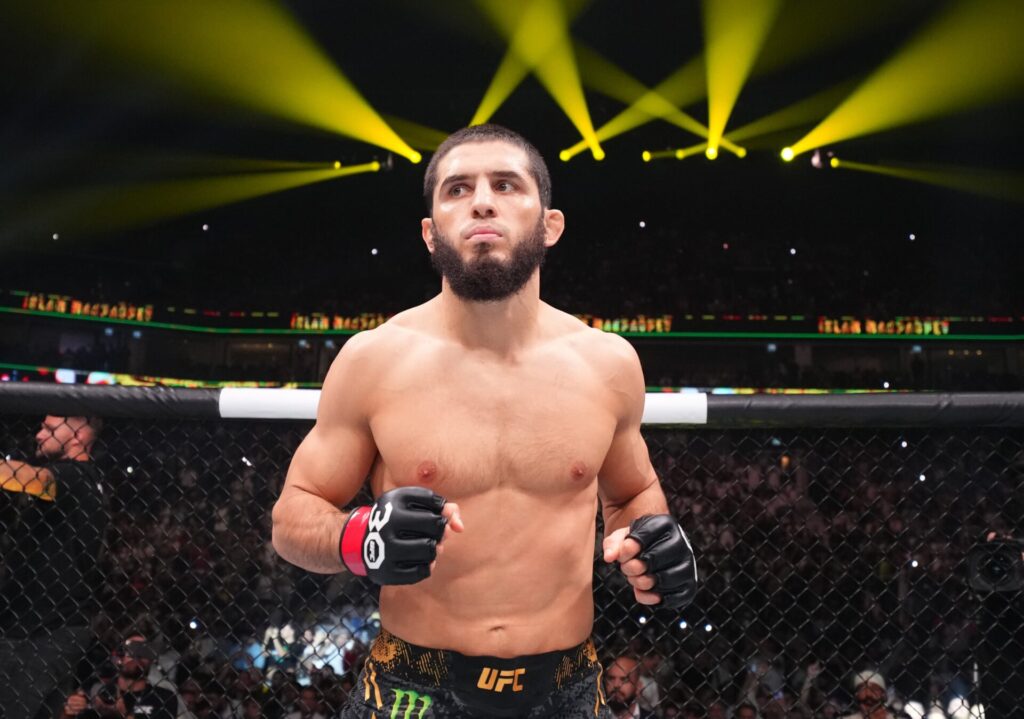
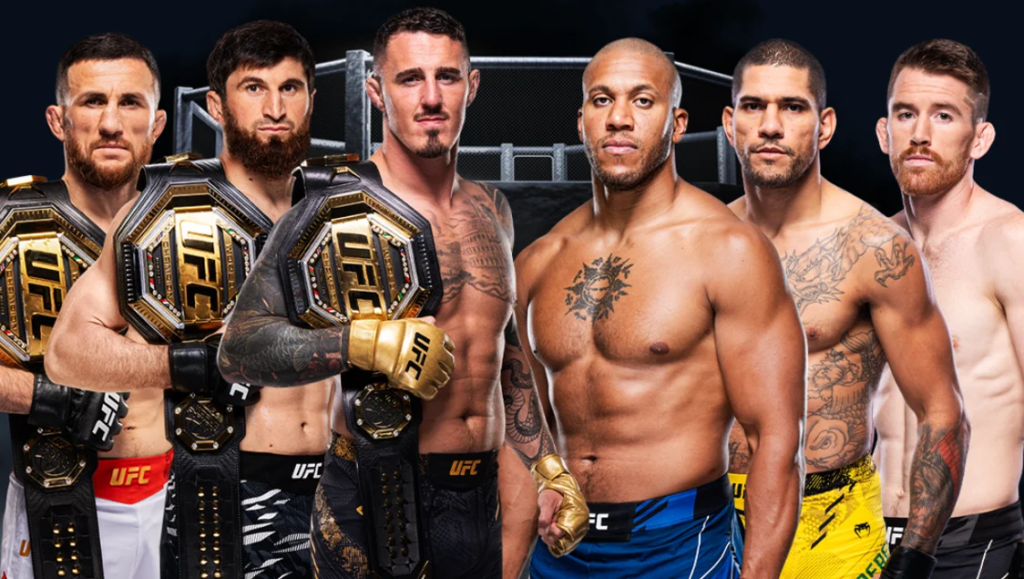
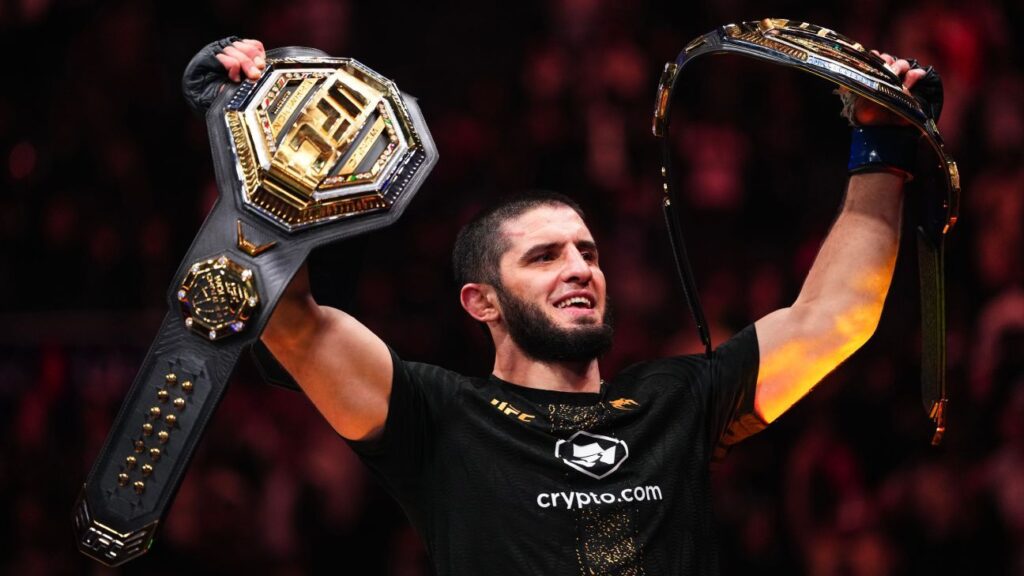
The current generation of champions is technically brilliant. Islam Makhachev is dominant. Ilia Topuria carries superstar potential. Sean O’Malley has the charisma and style that appeal to younger audiences. Tom Aspinall feels like a future heavyweight staple. But these fighters, aside from O’Malley, are still in the process of building mainstream familiarity.
Modern fans consume sport differently. Viral clips matter. Short form content shapes attention. But the athletes who become global stars offer something more. They feel larger than the cage. They spark rivalries, controversies, stories, and emotional connection.
Right now the UFC has elite fighters, but fewer global icons.
The rise of methodical champions
Several divisions are ruled by fighters who rely on technical mastery rather than explosive highlight finishes. While purists respect this, casual viewers engage more with dramatic moments. Dominant champions who win with caution can unintentionally suppress star power in their divisions.
This is not a criticism. It is a reality. Some styles generate viral moments. Others do not.
Oversaturation of events is diluting hype
The UFC now hosts more events than ever. Weekly cards create consistent engagement, but they also make big fights feel less special. In the early 2010s a numbered event felt monumental. In 2026 fans struggle to keep up with the sheer volume of cards and contender fights.
When everything is big, nothing feels big.
Why the UFC needs stars to grow
Star fighters drive everything. They boost pay per view buys, increase international expansion, attract sponsors, and fuel social media momentum. They carry divisions, elevate opponents, and shape entire eras of storytelling. Without them the sport becomes technically impressive but emotionally flat.
UFC events need fighters who make fans stay up at 3 a.m. They need characters, rivalries, and personalities that transcend belts.
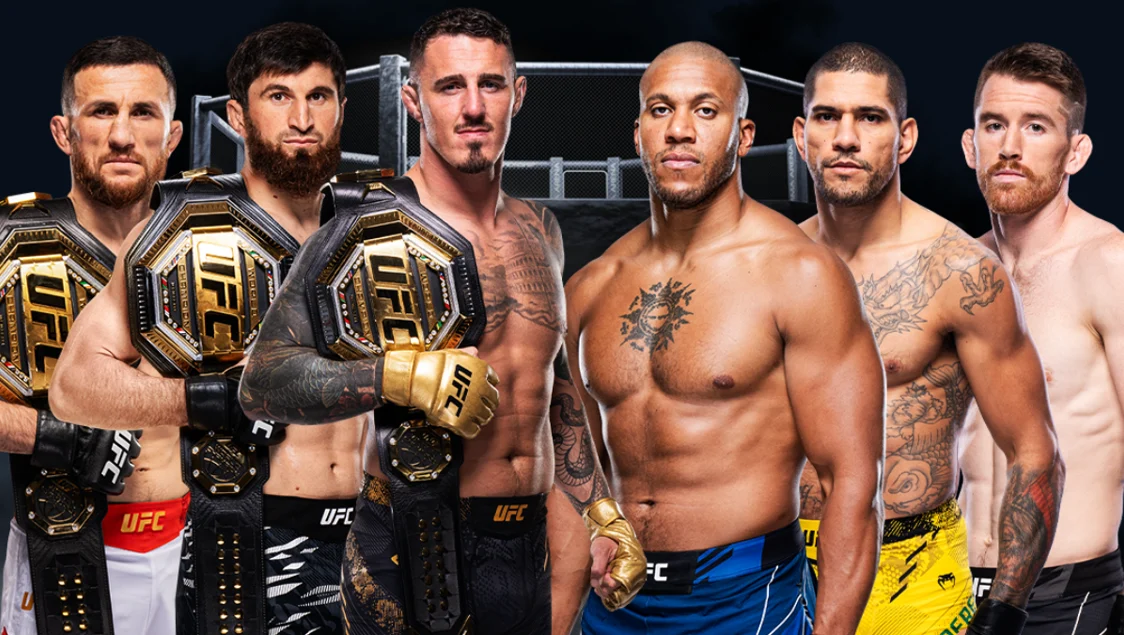
The future: where the next mega stars may emerge
The situation is not bleak. It is transitional. Several fighters have the potential to become defining figures of the next era.
- Ilia Topuria has charisma and knockout power
- Sean O’Malley already draws huge digital engagement
- Bo Nickal could evolve into a dominant American superstar
- Khamzat Chimaev remains one of the biggest wildcards in MMA history
- Tom Aspinall offers a fresh heavyweight presence Britain can rally behind
If even two of these fighters break into true global superstardom, the UFC’s landscape will shift fast.
The UFC must evolve how it builds stories
The UFC built its golden era on characters and rivalries. In 2026 it must tell stories differently. Fight fans want authenticity, emotional stakes, and clear narratives. Trash talk only works when it feels earned. Manufactured hype falls apart quickly in the social media era.
Storytelling is not a bonus. It is essential. Titles matter. Legacies matter. But the fighter’s journey is what fans connect to most.
The UFC is not struggling because the sport is less exciting
In fact, the skill level has never been higher. What the organisation faces is a gap in star power during a transitional period. The next generation is coming, but they have not yet captured mainstream culture in the way that McGregor, Khabib, or Rousey did.
This is a temporary moment. The sport always evolves. Stars will rise again, but the UFC must nurture them, promote them, and let their personalities breathe. The future is wide open, and that is what makes this moment so important.
Frequently Asked Questions
Why does the UFC feel like it has fewer stars today?
Because many major names retired or became inactive, leaving a transitional phase where new champions are still building mainstream recognition.
Is UFC talent worse than before?
No. The skill level is higher than ever. The issue is public visibility, not athletic quality.
Can new stars still emerge in 2026?
Yes. Fighters like Ilia Topuria, Sean O’Malley, Tom Aspinall, and Bo Nickal have strong potential to become major global attractions.
Does event oversaturation affect hype?
Yes. Weekly cards sometimes dilute excitement around big PPV fights.

Hi, I’m Luke. I write and edit for GameDayRoundup, covering everything from football stories to gaming and esports news. I enjoy digging into the details behind each topic so readers get something clear, honest and interesting every time they land on the site. I spend most of my time researching new stories, planning fresh ideas and making sure our content feels real and enjoyable to read.