
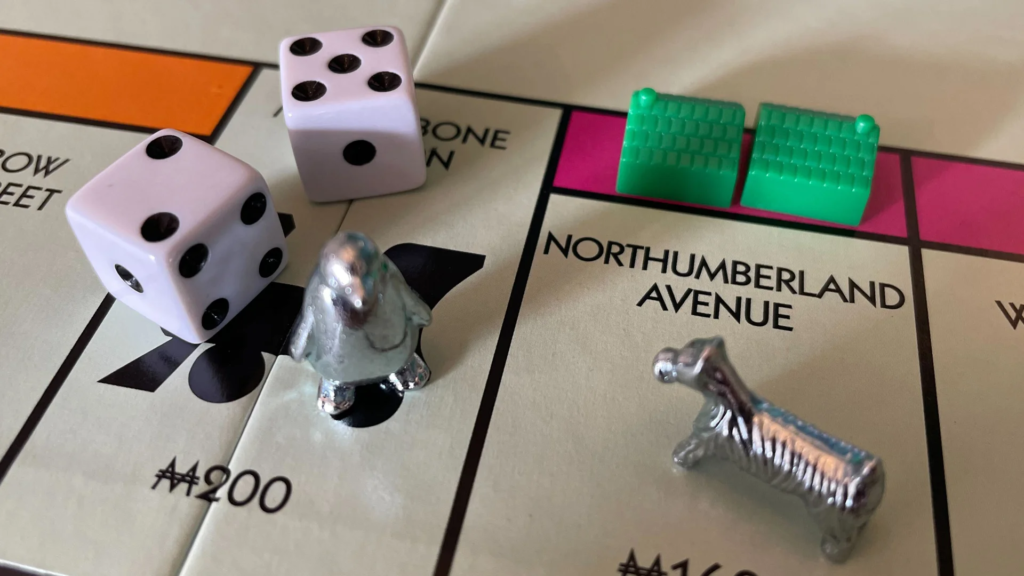
Why Winning Monopoly Is More Strategy Than Luck
Want to know how to outsmart your friends, stack your cash, and conquer the board every time.
Monopoly might look like a game of dice rolls and petty arguments, but beneath the family feuds and dramatic bankruptcies lies a surprisingly sophisticated strategy game. Sure, luck plays its part with those lucky early rolls, but seasoned players know the truth: Monopoly is a game of probability, psychology, risk management, and timing.
If you have ever wondered why one player always seems to win while others struggle, this guide is for you. We are breaking down the most effective, mathematically sound, and downright clever strategies to tilt the game in your favor. Ready to dominate game night? Let’s roll.
Understanding the Premise — It Is About Board Control
Many players think Monopoly is simply about hoarding cash, but the real key is controlling the board. Owning the right properties allows you to dictate movement, force opponents to pay rent, and create bottlenecks that make bankruptcy inevitable for others.
Not all properties are created equal. Some are land traps where players are most likely to land. Studies and simulations of Monopoly show that the orange and red sets are statistically the most landed-on properties after Jail. That means buying these early can give you consistent income throughout the game.
Beyond property placement, the balance between cash on hand and property development is crucial. You want enough liquidity to survive dice swings and pay rent, but also enough invested to start building houses and hotels quickly. Properties that can be monopolized with fewer purchases, like the light blue or brown sets, are excellent for early domination.
Trading is another essential tool for control. Don’t just passively collect sets; actively negotiate with other players, offering strategic trades that leave you with a monopoly while keeping opponents fragmented. Monopoly is as much about persuasion as it is about luck.
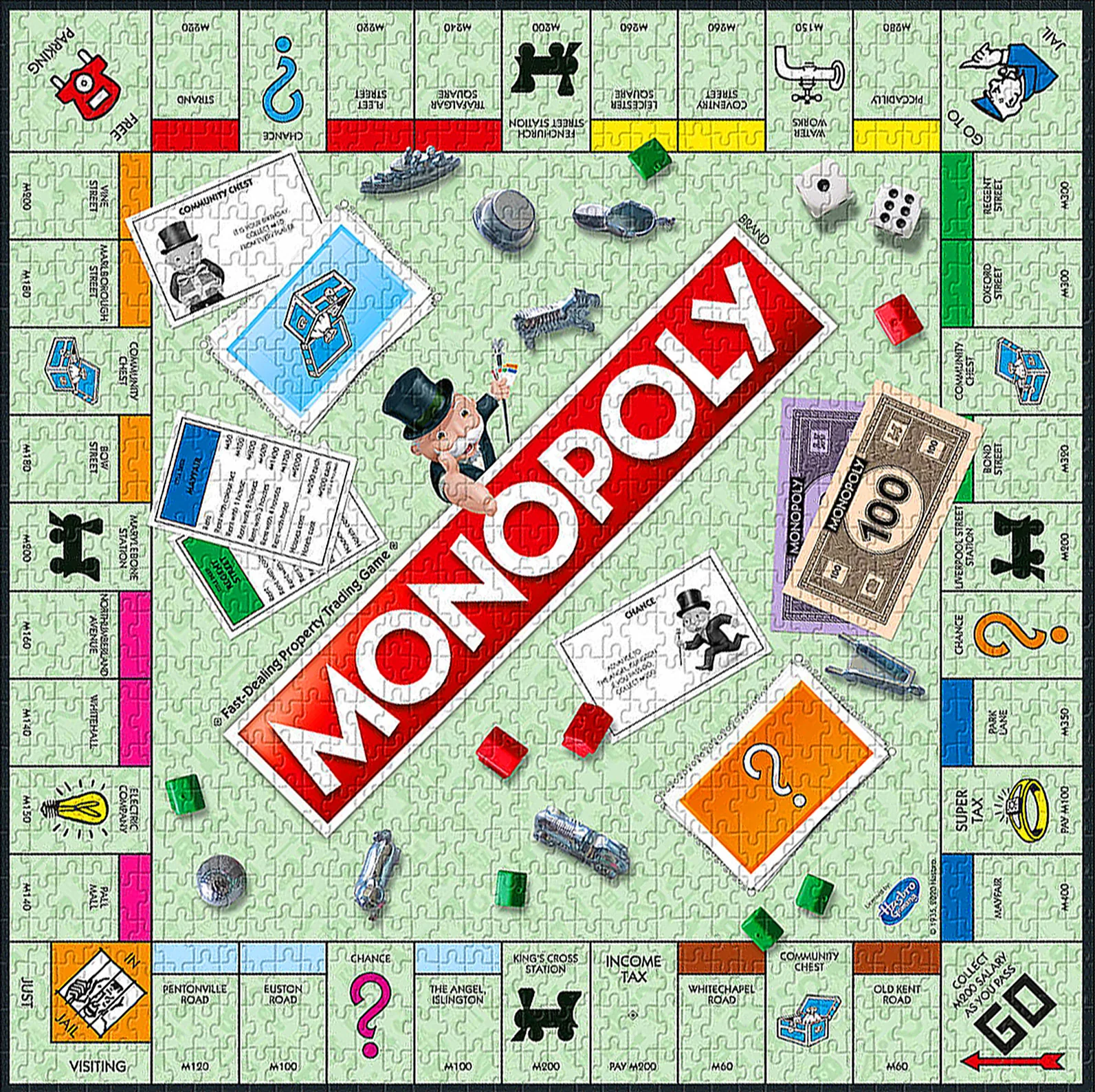
The Best Strategy — Houses, Timing, and Aggressive Monopoly
Once you have acquired your properties, the next step is developing wisely and strategically. The golden rule of Monopoly is: three houses on a property set is the optimal money-making sweet spot. Rent jumps dramatically from two to three houses, and it is often enough to push opponents toward bankruptcy without overextending your cash reserves.
Timing is everything. Don’t build on every property immediately. Watch your opponents’ positions, predict their moves, and time your hotel constructions when it will hit them hardest. Being patient can make the difference between a slow bleed of rent and a decisive, game-ending strike.
Another secret weapon is targeted aggression. If a player is close to completing a set, consider trading them properties that are low priority for you but keep them from completing their monopoly. Similarly, building houses aggressively on sets you control creates financial pressure that can force others into risky trades or bankruptcy.
Don’t forget Jail strategy in the late game. Early on, Jail is a nuisance, but once houses and hotels dominate the board, staying in Jail can be a defensive advantage. You collect rent without risking landing on high-rent enemy properties.
Finally, manage cash reserves. Being property-rich but cash-poor is a common losing trap. Keep a small buffer to survive rent spikes or unexpected fines. Having flexibility allows you to capitalize on trading opportunities and recover from bad luck rolls.
Winning Monopoly Is About Strategy, Timing, and Control
Winning Monopoly is far more than rolling high numbers and hoping for luck. It is about understanding property value, controlling the right parts of the board, making strategic trades, and developing houses at the right time. Players who master these principles consistently push their opponents into bankruptcy while maintaining financial flexibility themselves.
So next time you sit down at the Monopoly board, remember: it is not just a game of chance. With the right strategy, a little patience, and a touch of cunning, you can turn every dice roll into an opportunity and dominate the game from start to finish. Monopoly is yours to win.
Frequently Asked Questions
Is it better to focus on buying properties early or saving cash for later?
In the early game, prioritizing property acquisition is generally better than hoarding cash. Owning multiple properties increases your chances of landing a monopoly, which allows you to build houses and start generating high rent. However, it is wise to keep a small cash buffer for unexpected rents and fees, so you don’t go bankrupt before developing your properties.
Are some Monopoly game tokens strategically better than others?
While most tokens are equal in terms of rules, some players believe certain tokens, like the car or top hat, are psychologically advantageous because they are easier to move quickly or track on the board. The key isn’t the token itself but using it to plan your movement and monitor opponents’ positions effectively.
How do auctions affect strategy in Monopoly?
Auctions can be a goldmine if used smartly. When a property is unpurchased, it automatically goes to auction, and players can bid low to snatch it for a bargain. Being strategic in auctions allows you to complete sets cheaply, prevent opponents from completing monopolies, and control the pace of the game. Watching other players’ willingness to spend can also reveal their cash reserves and influence future trades.

Hi, I’m Adam and I cover a mix of football, gaming and general sports stories for GameDayRoundup. I like writing in a way that keeps things simple, direct and enjoyable for everyone, whether you follow the sport every day or just check in now and again. I always try to bring a bit of personality to the articles I work on, along with careful editing to make sure everything is accurate and easy to understand.