In the era of high-definition graphics and advanced mechanics, it might be tempting to assume that gameplay systems alone define a great RPG. Yet, storytelling remains the heart of the genre, shaping player experiences, emotional engagement, and replayability. Modern role-playing games (RPGs) such as The Witcher 3, Cyberpunk 2077, Elden Ring, and Baldur’s Gate 3 demonstrate that a compelling narrative can transform mere mechanics into a fully immersive world.
Unlike arcade-style games, RPGs rely on the player’s sense of agency and consequence. Every decision—whether a dialogue choice, moral action, or allegiance—can ripple through the game world, influencing relationships, events, and even the ending. This deep interactivity makes the player feel responsible for the story, fostering a personalized experience that resonates long after the game is over.
World-Building and Environmental Storytelling
A modern RPG isn’t just about quests; it’s about living, breathing worlds. Developers invest heavily in environmental storytelling, creating cities, towns, and wildernesses that reflect a game’s history, politics, and culture.
For instance, in The Witcher 3, every village has unique inhabitants, folklore, and mini-stories that enrich the main plot. Similarly, Elden Ring leverages environmental cues—ruined castles, hidden messages, and cryptic NPC interactions—to weave narrative without relying solely on dialogue. Players uncover the story naturally, rewarding exploration and attention to detail.
Even side quests play a narrative role. Games like Cyberpunk 2077 use subplots to explore moral ambiguity, social commentary, and character depth, making the world feel dynamic rather than static. These small narrative threads contribute to a larger tapestry, giving every corner of the game world significance.
Player Choice and Moral Consequences
One of the defining features of modern RPG storytelling is choice-driven gameplay. Decisions matter in more than just a binary right/wrong sense; they can shape alliances, unlock hidden storylines, or drastically alter outcomes.
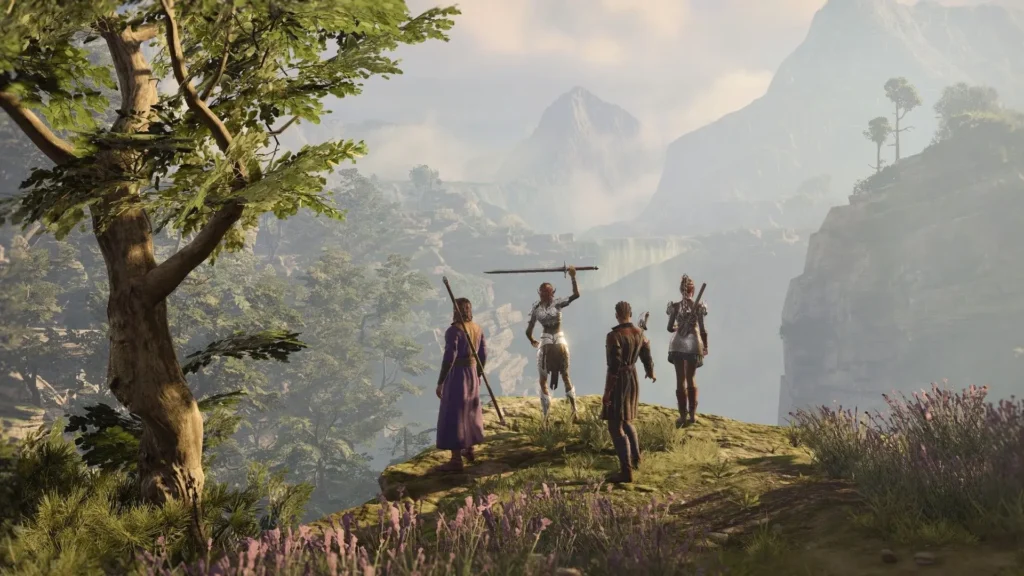
For example, in Divinity: Original Sin 2, players’ choices in dialogue, combat, and teamwork directly impact both story progression and tactical success. Baldur’s Gate 3 also blends story and strategy, where moral decisions can change combat scenarios, affect party relationships, or determine the fate of entire factions.
This sense of consequence heightens emotional engagement, making victories sweeter, losses more impactful, and replayability nearly infinite. Players are motivated to revisit the game multiple times to explore alternate storylines and outcomes.
Character Development and Emotional Investment
RPG storytelling is not just about plot—it’s about characters. Players form attachments to companions, rivals, and even minor NPCs whose stories intersect with the main narrative. Strong characterization, dialogue, and voice acting allow players to empathize with in-game personalities, deepening their investment in the world.
Games like The Witcher 3 excel at creating morally complex characters such as Geralt, Ciri, and Yennefer, where player choices influence not just plot events but relationships and emotional arcs. Even side characters have depth, giving players a sense that the world is alive and worth caring about.
Integration with Gameplay Mechanics
Modern RPGs often merge storytelling with gameplay mechanics, making narrative decisions a strategic consideration. In tactical RPGs like Divinity: Original Sin 2 and Baldur’s Gate 3, story choices can influence combat scenarios, resource management, and party dynamics.
This integration ensures that narrative isn’t a passive backdrop—it actively shapes the gameplay experience. Players must think critically about their decisions, combining mechanical skill with moral and strategic judgment. The result is a deeply immersive experience where story and gameplay are inseparable.
Why Storytelling Keeps RPGs Relevant
In an industry driven by graphics, technology, and multiplayer features, storytelling remains a cornerstone of RPG longevity. The narrative depth keeps players returning, exploring hidden paths, experimenting with different choices, and discussing plotlines with the community.
The modern RPG player isn’t just looking for mechanics—they want a world they can invest in, choices that feel meaningful, and stories that linger in their imagination long after the screen goes dark.
Conclusion: Storytelling as the Backbone of RPG Immersion
Modern RPGs succeed because they marry deep narrative with rich gameplay, creating worlds that are not only fun to explore but emotionally resonant. Developers understand that players are not just interacting with mechanics—they are inhabiting a story.
From vast open worlds to intimate dialogue choices, storytelling ensures that RPGs remain one of the most immersive and rewarding genres in gaming. As technology and design evolve, the demand for compelling narratives will only grow, securing the role of storytelling as the backbone of the RPG experience.

Hi, I’m Jacob. I write and edit for GameDayRoundup with a focus on football news, gaming culture and the growing world of esports. I enjoy breaking down big stories into something that feels approachable and fun to read. I’m always looking for new topics, new angles and new ways to keep our readers informed without overcomplicating anything. Writing for this site lets me share the things I follow every day and I love being part of the team.