
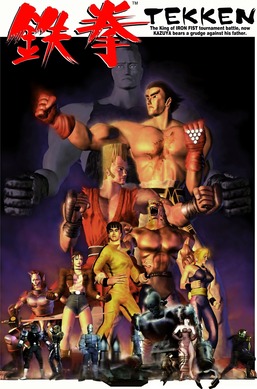
It’s easy to assume that video game trends move quickly and that older titles are quickly forgotten. Yet classic fighting games like Street Fighter, Tekken, Mortal Kombat, and Guilty Gear have defied this expectation. Over the past few years, these long-standing franchises have experienced a noticeable resurgence, attracting both veteran fans and a new generation of competitive players.
So why are these older titles making a comeback in a world dominated by live-service shooters and battle royale games?
Nostalgia Meets Modernization
One of the biggest drivers of the resurgence is nostalgia. Players who grew up in the arcades or on early consoles return to these franchises, drawn by memories of their first competitive matches, memorable combos, and iconic characters. Developers have capitalized on this sentiment, releasing remastered editions, updated graphics, and new mechanics that make the games feel modern without losing their classic feel.
For example, Street Fighter 6 has revitalized the franchise with enhanced visuals, refined input mechanics, and robust online play, allowing veterans to revisit the series while welcoming new players into its ranks. Similarly, Tekken 8 has pushed the series forward with cinematic storytelling, new characters, and balance adjustments that make competitive play more dynamic than ever.
Competitive Tournaments Fuel Growth
Esports has also played a critical role in the renewed interest in fighting games. EVO (Evolution Championship Series), Combo Breaker, and regional events continue to showcase the highest level of skill, bringing the drama, strategy, and excitement of fighting games to a global audience.
Watching top players pull off precise combos, clutch reversals, and innovative setups inspires casual players to hone their own skills. The spectacle of these events keeps viewers coming back while motivating them to compete online or locally. Many tournaments now feature live streams, commentary, and interactive elements, creating a sense of community and accessibility that wasn’t as prevalent in the early days of fighting games.
Community-Driven Growth
The fighting game community (FGC) itself has been instrumental in this resurgence. Dedicated players and content creators populate YouTube, Twitch, and Discord with tutorials, combo guides, match breakdowns, and event coverage. These resources make learning complex fighting mechanics easier and encourage newcomers to pick up characters and strategies faster.
Grassroots tournaments, local meetups, and online communities give players a place to practice, compete, and socialize, creating an ecosystem that’s just as important as the games themselves. The social factor — forming rivalries, creating memorable moments, and sharing victories — adds another layer of engagement beyond just the gameplay.
Innovation in Game Mechanics
While nostalgia is powerful, staying relevant requires innovation. Developers continually experiment with new mechanics, balance changes, and character abilities to keep the meta fresh. For instance, Guilty Gear Strive introduced more approachable mechanics without sacrificing depth, attracting both casual players and hardcore competitors.
This willingness to evolve ensures that these classic titles don’t feel stagnant. Each season, update, or new installment challenges players to adapt their strategies, learn new combos, and refine timing — all of which are critical in keeping a game competitive and exciting over decades.
A Cross-Generational Appeal
The resurgence of classic fighting games demonstrates a unique cross-generational appeal. Older players return to relive their childhood experiences, while younger gamers are drawn to the depth, skill ceiling, and community these games offer. Unlike some genres that prioritize flashy graphics over gameplay depth, fighting games reward practice, precision, and strategic thinking, making them timeless in appeal.
Conclusion: Why Classic Fighters Continue to Thrive
The revival of fighting games is not just about nostalgia; it’s a blend of competitive integrity, community engagement, and modern innovation. Titles like Street Fighter, Tekken, and Guilty Gear have survived not only because they are beloved but because they continue to challenge, engage, and evolve with their audience.
From online ladders to global tournaments, from local arcades to streaming platforms, fighting games have created a living, breathing competitive ecosystem that rewards both skill and dedication. For players old and new, the thrill of landing a perfect combo, outsmarting an opponent, or taking home a tournament win keeps the genre alive — proving that in the world of esports and competitive gaming, classics never die.

Hi, I’m Jacob. I write and edit for GameDayRoundup with a focus on football news, gaming culture and the growing world of esports. I enjoy breaking down big stories into something that feels approachable and fun to read. I’m always looking for new topics, new angles and new ways to keep our readers informed without overcomplicating anything. Writing for this site lets me share the things I follow every day and I love being part of the team.