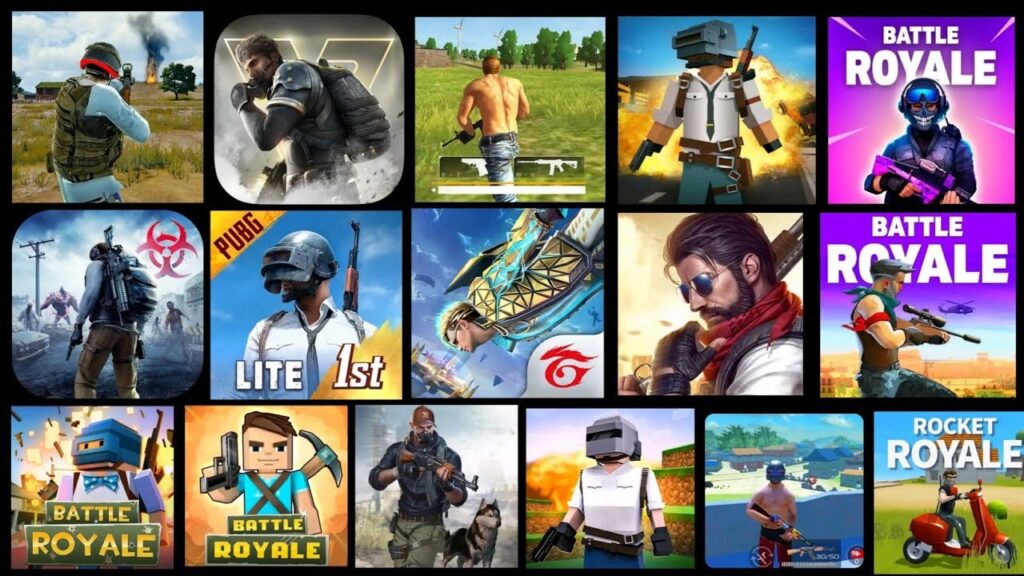
From humble beginnings as niche mods for survival shooters, battle royale games have grown into a global phenomenon, captivating millions of players and viewers worldwide. The genre’s core formula — dropping into a shrinking map, scavenging weapons, and being the last person or team standing — has proven to be both simple and endlessly compelling. Titles like PUBG (PlayerUnknown’s Battlegrounds) pioneered the modern battle royale experience, combining tense survival mechanics with large-scale maps and unpredictable encounters.
The Fortnite Effect
Then came Fortnite, which added building mechanics, seasonal events, and vibrant, constantly evolving worlds. Epic Games transformed the genre from pure survival into a cultural juggernaut, integrating cosmetic progression, crossover events, and livestreamed competitions that drew tens of millions of viewers. Fortnite demonstrated that battle royale games weren’t just about gameplay—they could be social platforms, entertainment hubs, and esports stages all at once.
Apex Legends and InnovationXin Battle Royale
Respawn Entertainment’s Apex Legends introduced unique hero abilities, ping systems for communication, and fast-paced movement mechanics that redefined team-based play. This evolution emphasized strategy, synergy, and individual skill, proving that the genre could continue innovating years after its inception. Apex’s popularity shows how player-focused design, combined with esports-ready mechanics, keeps audiences engaged.
Competitive Play and Esports
Esports has been a crucial driver in maintaining the longevity of battle royale games. PUBG Global Championship, Fortnite World Cup, and Apex Legends Global Series attract professional players from around the globe, with prize pools rivaling traditional esports titles. Competitive players like Bugha in Fortnite or ReKTGlobal and TGLTN in Apex Legends have become household names, inspiring new players and cultivating loyal communities.
Community and Cultural Impact
Beyond competitive gaming, battle royale titles have reshaped gaming culture. Memorable livestream moments, viral TikTok clips, and collaborative in-game events have turned games into social experiences. The ability to team up with friends across platforms, experience evolving worlds, and participate in seasonal challenges fosters engagement that extends far beyond a typical match.
Why the Genre Endures
The endurance of battle royale games comes down to a few key factors: continuous updates and meta shifts, streaming and esports visibility, and player-driven creativity. New weapons, map changes, and events ensure that even veteran players face fresh challenges, while emerging content creators keep gameplay exciting and accessible. As long as developers innovate and communities stay engaged, the battle royale genre shows no signs of slowing down.
Conclusion
From a niche survival mod to a global cultural phenomenon, battle royale games have evolved into a genre that blends strategy, skill, and social interaction like no other. Whether on PC, console, or mobile, the thrill of surviving against the odds continues to captivate millions, ensuring that the battle royale craze will remain a dominant force in gaming for years to come.

Hi, I’m Jacob. I write and edit for GameDayRoundup with a focus on football news, gaming culture and the growing world of esports. I enjoy breaking down big stories into something that feels approachable and fun to read. I’m always looking for new topics, new angles and new ways to keep our readers informed without overcomplicating anything. Writing for this site lets me share the things I follow every day and I love being part of the team.