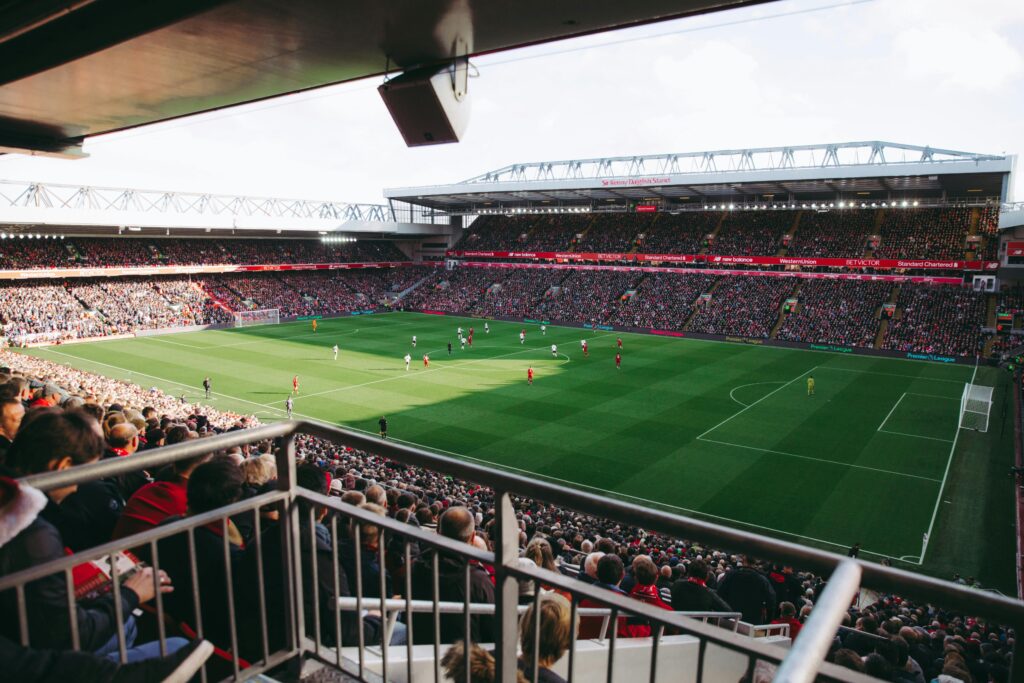

Modern football no longer rewards rigidity. Systems that once dominated entire eras are now routinely exposed by opponents willing and able to adapt within games. As the tactical level of elite football continues to rise, flexibility has quietly become one of the most valuable assets a team can possess.
The biggest matches are no longer decided solely by talent or intensity. They are shaped by in-game adjustments, positional rotations, and a team’s ability to solve problems as they emerge. Tactical flexibility is no longer a luxury reserved for elite managers. It is a requirement for sustained success.
Why Fixed Systems Are Easier to Exploit
Football analysis has become more sophisticated at every level. Opponents arrive prepared with detailed plans to exploit predictable build-up patterns, pressing triggers, and defensive shapes. Teams that rely on a single system often find themselves neutralised once their structure is understood.
When a team lacks alternative solutions, small disruptions can cause structural collapse. A single pressing adjustment or positional overload can force repeated turnovers and defensive vulnerability.
The Rise of In-Game Tactical Adjustments
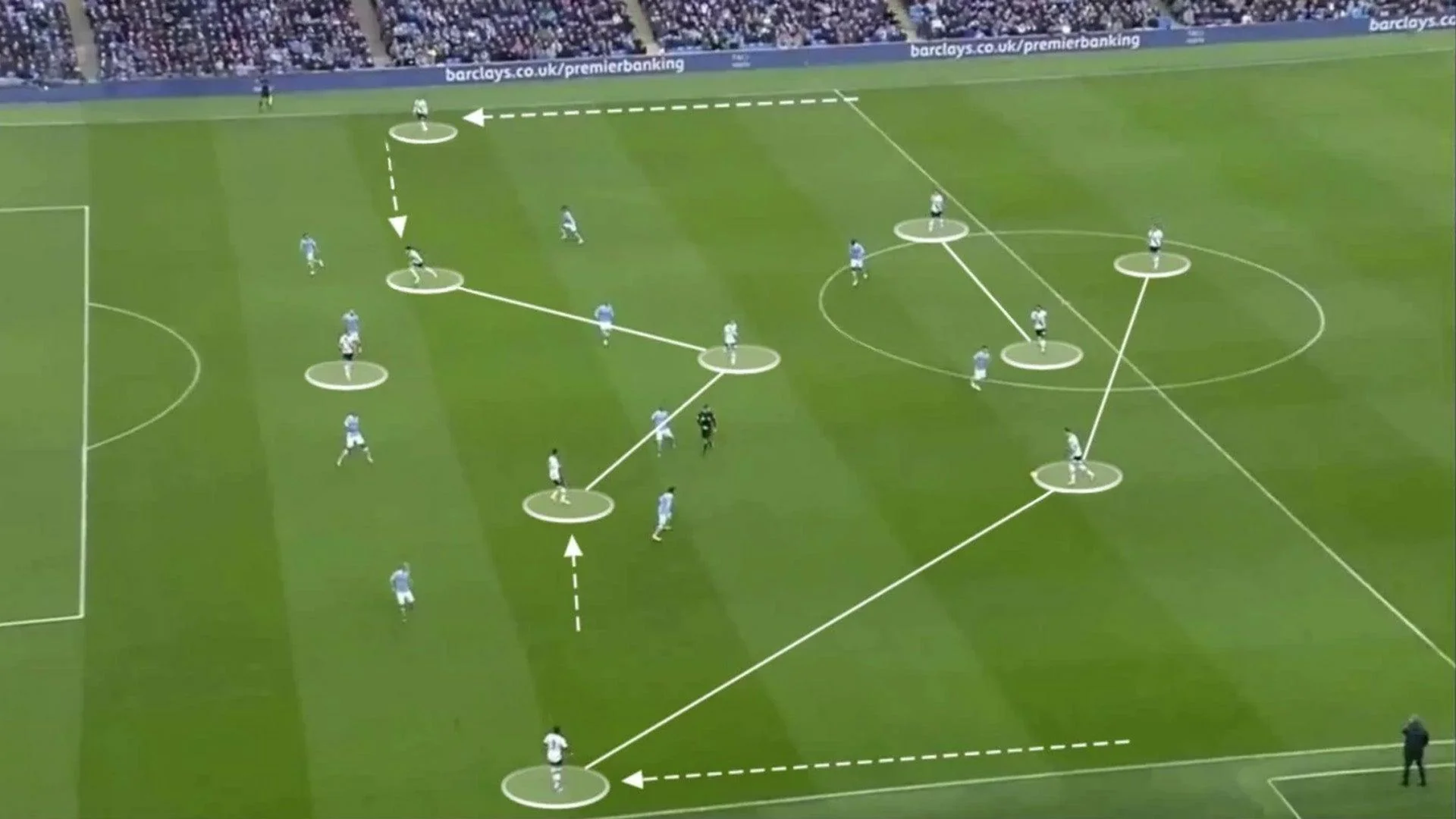
Elite football is increasingly decided between the touchlines. Managers who can adjust shape, roles, and pressing intensity mid-match gain a significant advantage. These changes are often subtle, but their impact is profound.
Switching from a back four to a back three, altering midfield responsibilities, or rotating wide players into half spaces can shift momentum without requiring substitutions. These decisions demand players who understand multiple roles and systems.
Why Versatile Players Are More Valuable Than Ever
Tactical flexibility begins with recruitment. Modern squads are built around players capable of performing multiple functions without losing effectiveness. This versatility allows teams to change structure without sacrificing cohesion.
Midfielders who can operate as both controllers and pressers, full backs comfortable stepping into midfield, and forwards able to interchange positions all contribute to a team’s adaptability. These profiles are increasingly prioritised by clubs competing at the highest level.

Flexibility as a Defensive Advantage
Adaptability is not only an attacking tool. Defensively, flexible teams are better equipped to manage different threats. Adjusting pressing height, altering defensive width, or shifting marking responsibilities can neutralise opponents who thrive on predictable patterns.
This defensive adaptability becomes especially important in knockout competitions, where opponents are often encountered multiple times across short periods.
Why Tactical Flexibility Matters Over a Full Season
League campaigns expose weaknesses relentlessly. Injuries, fixture congestion, and opponent adaptation punish teams unable to evolve. Tactical flexibility allows teams to survive difficult periods without abandoning their core identity.
Rather than replacing philosophy, adaptability enhances it. Teams that can express the same principles through multiple shapes gain consistency across unpredictable conditions.
Examples From the Modern Game
Across elite competitions, the most successful teams demonstrate structural fluidity. Tactical reports published by UEFA’s technical department frequently highlight adaptability as a defining characteristic of Champions League winners.
Domestic leagues reflect the same trend. Match data and tactical breakdowns from competitions such as the Premier League show that teams capable of adjusting shape and approach within matches consistently outperform more rigid opponents.
The Role of the Laws of the Game
Changes in officiating and interpretation also influence tactical evolution. Adjustments to handball interpretation, time-wasting enforcement, and player positioning continue to shape how teams approach games, as outlined by IFAB’s Laws of the Game.
Teams that adapt quickly to these changes gain marginal advantages that accumulate over time.
Why Flexibility Separates Good Teams From Great Ones
Talent provides a foundation. Organisation creates structure. Flexibility unlocks solutions.
The best teams are not those with the most complex systems, but those capable of adjusting their approach without losing clarity. In an era where margins are thin and preparation is relentless, tactical flexibility has become one of football’s most decisive competitive edges.
Frequently Asked Questions
Why is tactical flexibility important in modern football?
Because opponents prepare extensively, and in-game adjustments are often required to maintain control.
Does tactical flexibility replace having a clear identity?
No. The best teams express the same principles through multiple shapes and approaches.
Which players benefit most from tactical flexibility?
Versatile midfielders, hybrid full backs, and intelligent forwards gain the most value.

Hi, I’m Luke. I write and edit for GameDayRoundup, covering everything from football stories to gaming and esports news. I enjoy digging into the details behind each topic so readers get something clear, honest and interesting every time they land on the site. I spend most of my time researching new stories, planning fresh ideas and making sure our content feels real and enjoyable to read.