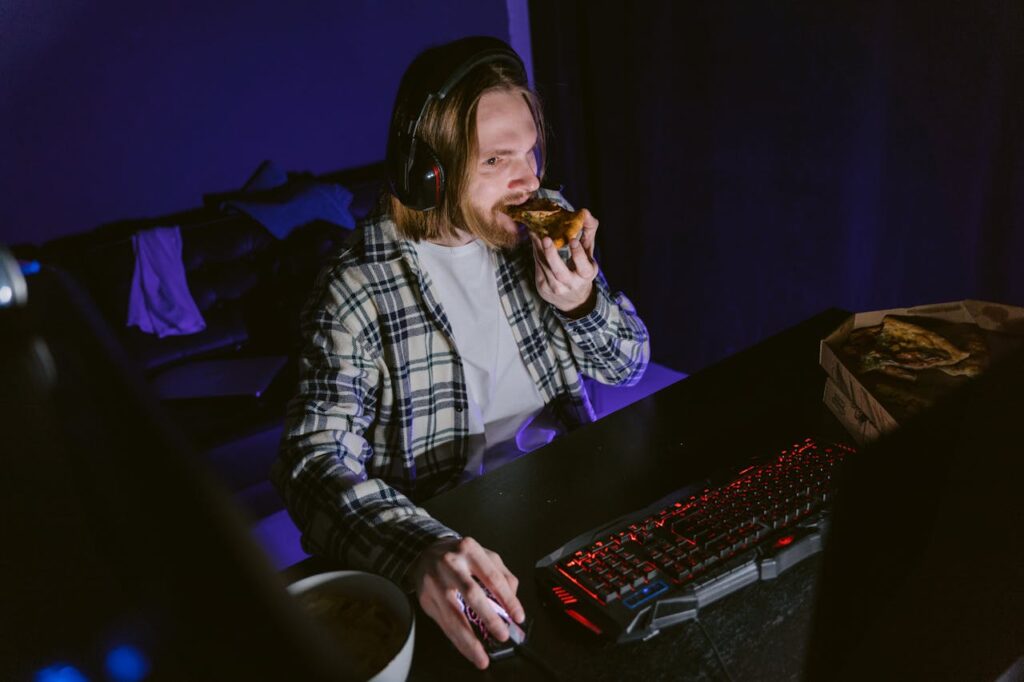
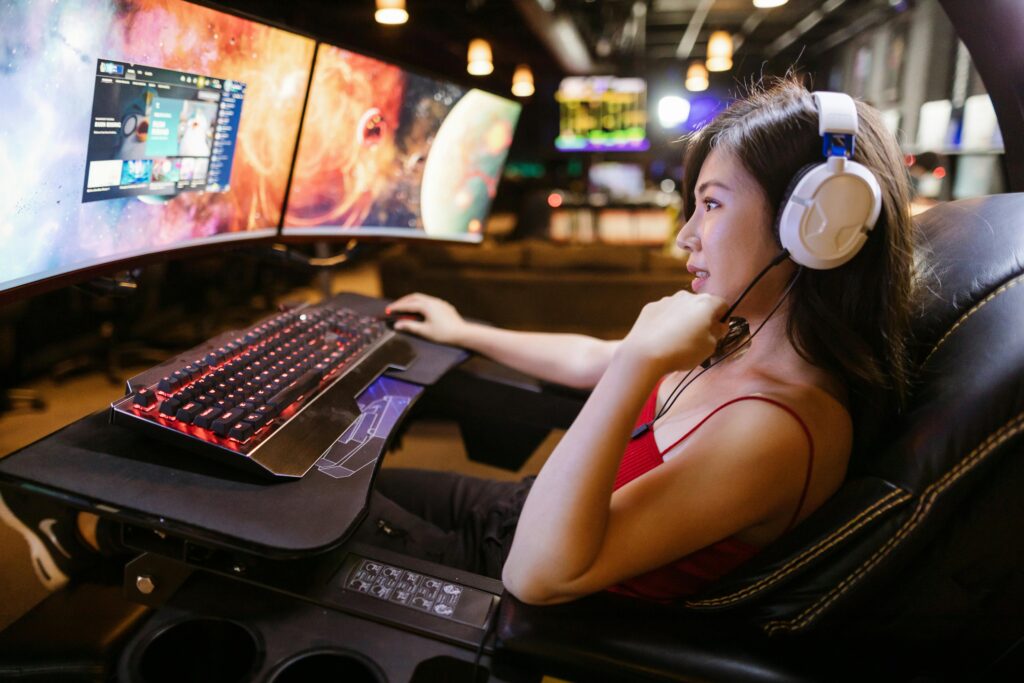
Streamer burnout has become one of the most pressing and painful issues in online entertainment. In 2026, the pressure on creators has reached a peak that few outside the industry truly understand. Behind the bright overlays, polished thumbnails, and energetic broadcasts sits a reality that is far heavier than most viewers ever see. The demand for constant content is not just exhausting, it is reshaping careers, personalities, and mental health in ways that are becoming impossible to ignore.
Streaming has always looked glamorous from the outside. A person plays games, chats with viewers, and earns a living doing something millions dream of. Yet the truth is that streaming in 2026 has evolved into a high pressure job that can consume a creator’s identity, health, and schedule. With platforms pushing endless growth metrics and audiences expecting daily entertainment, many creators are reaching emotional breaking points.
The rise of unsustainable expectations
Streaming platforms reward consistency above everything else. As Twitch and YouTube Gaming continue to optimise for watch time and viewer retention, creators feel forced to produce content constantly in order to stay relevant. Missing a day can mean losing subscribers. Missing a week can damage discoverability. Taking a month off can be enough to topple an entire career.
This system has created a relentless culture where creators live in fear of dropping out of the algorithm. Many streamers describe feeling chained to their schedules, terrified that a short break could undo years of work. The psychological weight of these expectations sits at the heart of modern burnout.
The emotional toll of live performance
Streaming is a job that requires being emotionally present every single time the camera turns on. Creators must stay upbeat, responsive, entertaining, and conversational for hours, even when tired, stressed, or facing personal struggles offline. There is no editor to cut away moments of fatigue or sadness. Live content demands constant energy, and that pressure slowly wears away at confidence and self identity.
Many creators describe feeling like they are playing a version of themselves instead of simply being themselves. Over time this gap between online personality and real emotion grows wider, and holding it together becomes emotionally draining.
Content inflation and the pressure to do more
In 2026, streaming is no longer just streaming. A creator must produce short form content, long form videos, highlight reels, community posts, sponsored clips, and livestreams. What was once a single job has become a multi channel production pipeline that never stops.
Platforms like TikTok have changed the expectations of audiences. Viewers want something new every day. Breakout moments vanish quickly. Trends last hours instead of weeks. As a result, creators feel pressured to spread themselves across multiple platforms, all while maintaining their primary streaming schedule. This creates a workload that is almost impossible for one person to sustain.
The loneliness behind the camera
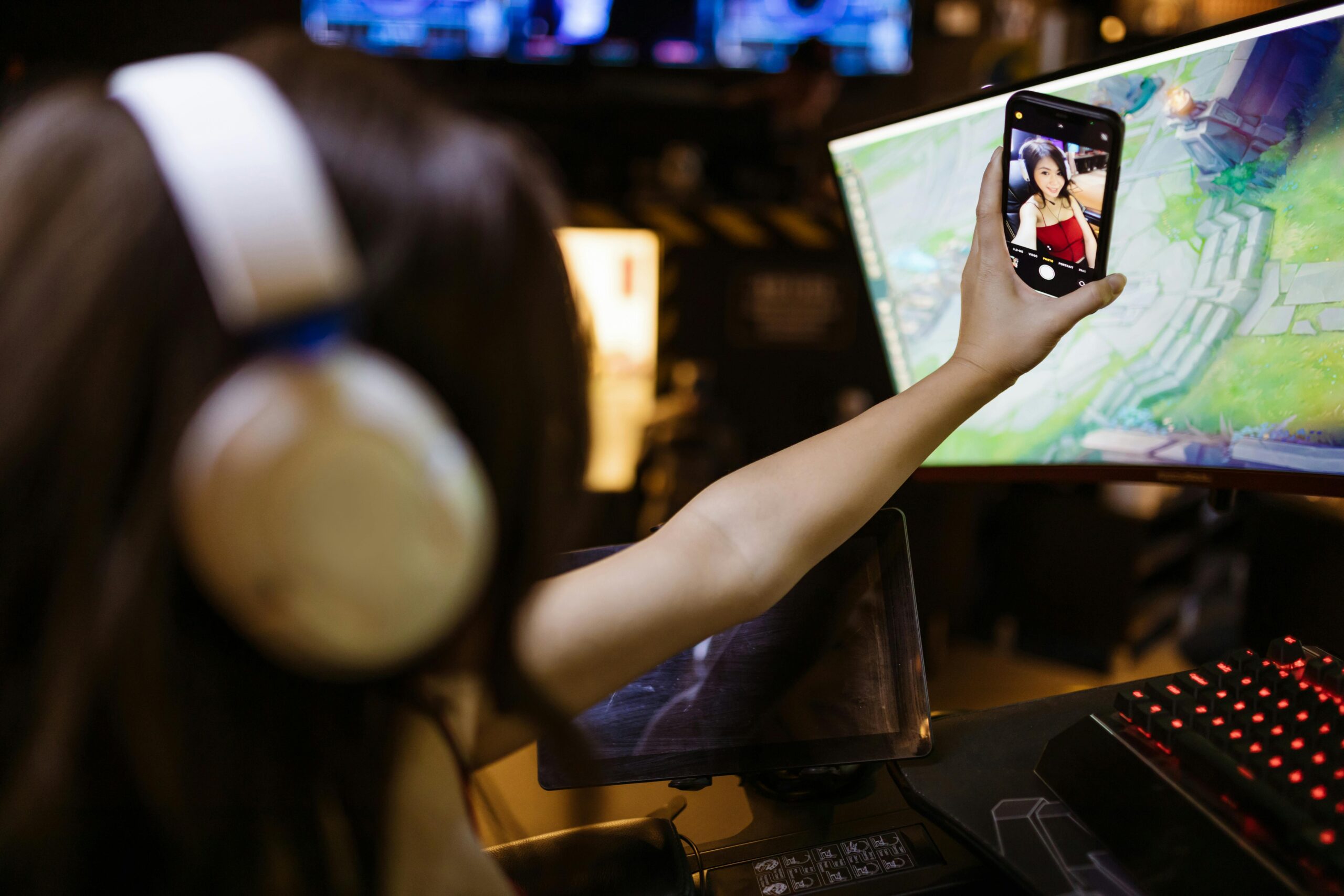
Despite having thousands of viewers, streaming is often isolating. Most creators work alone. There is no office, no co workers, and no separation between work and home. The place where they rest is the same place where they perform. The boundaries blur until there is no distinction between personal life and public presence.
This loneliness becomes more painful when combined with the constant attention of viewers who expect availability at all times. Creators often feel pressure to answer messages, manage communities, and moderate conflicts even when exhausted. The emotional labour behind this invisible work intensifies burnout, leaving creators constantly drained.
Comparison pressure and the fear of slipping
Streaming is a competitive ecosystem where creators compare themselves endlessly. When one streamer takes a break, their viewers may move to someone else. When another streamer rises quickly, others question their own value. These comparisons create anxiety that pushes creators to work harder, stream longer, and ignore their limits.
The fear of slipping out of relevance becomes overwhelming. Streamers often push through illness, grief, or exhaustion because they view rest as a threat to their livelihood. This mindset turns passion into pressure and joy into performance.
Why 2026 is the breaking point
The combination of platform algorithms, cultural expectations, and economic uncertainty has pushed burnout into a new era. More creators are speaking openly about emotional collapse, hair loss, sleep disorders, and anxiety. Several major streamers have taken extended breaks or stepped away from streaming entirely, citing extreme mental strain.
The industry has reached a point where creators can no longer hide the consequences. Burnout is not a buzzword. It is a crisis.
What needs to change
In order for streaming to remain sustainable, both platforms and audiences must adjust their expectations. Platforms need to reduce the punishment for taking breaks, and audiences must understand that creators are human beings, not content machines. Rest should not be treated as a weakness but as a necessity for longevity.
Creators themselves are starting to push back. More streamers are setting boundaries, reducing hours, and embracing healthier habits. Some are building teams to reduce their workload, while others are shifting toward content models that do not demand constant live performance. This evolution is essential if streaming is to remain a viable career in the long term.
Frequently Asked Questions
Why are more streamers burning out?
Algorithm pressure, audience expectations, and nonstop content demands have pushed creators past sustainable limits.
Which platforms contribute most to burnout?
Twitch, YouTube, and TikTok each reward constant output, making breaks feel risky for creators relying on growth metrics.
How can streamers reduce burnout?
Establishing boundaries, reducing hours, delegating tasks, and taking structured breaks help protect long term mental health.

Hi, I’m Luke. I write and edit for GameDayRoundup, covering everything from football stories to gaming and esports news. I enjoy digging into the details behind each topic so readers get something clear, honest and interesting every time they land on the site. I spend most of my time researching new stories, planning fresh ideas and making sure our content feels real and enjoyable to read.