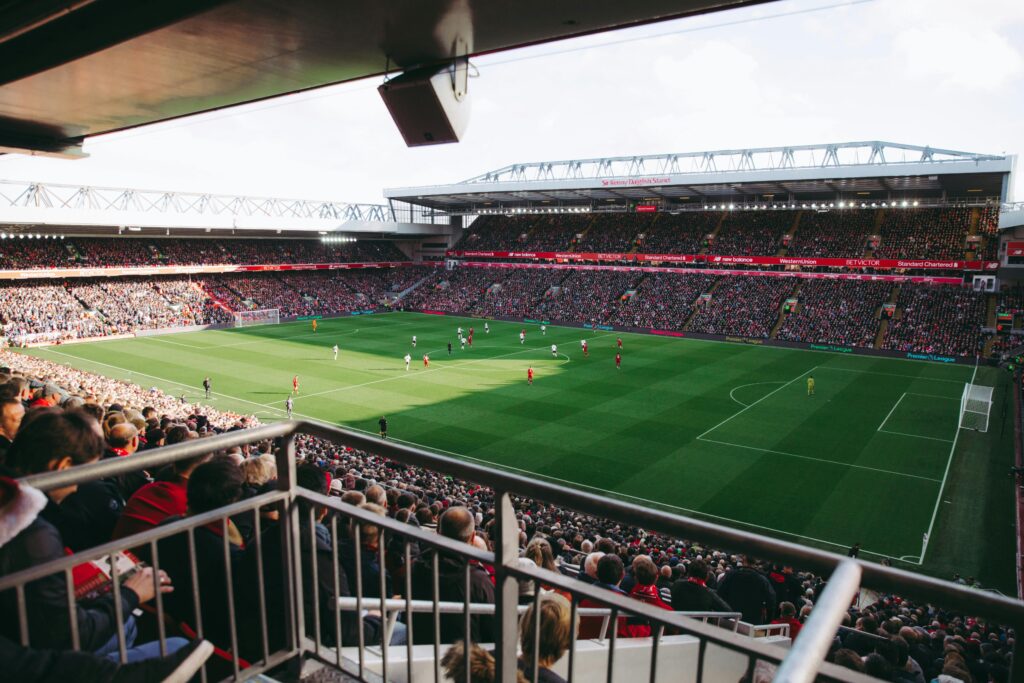
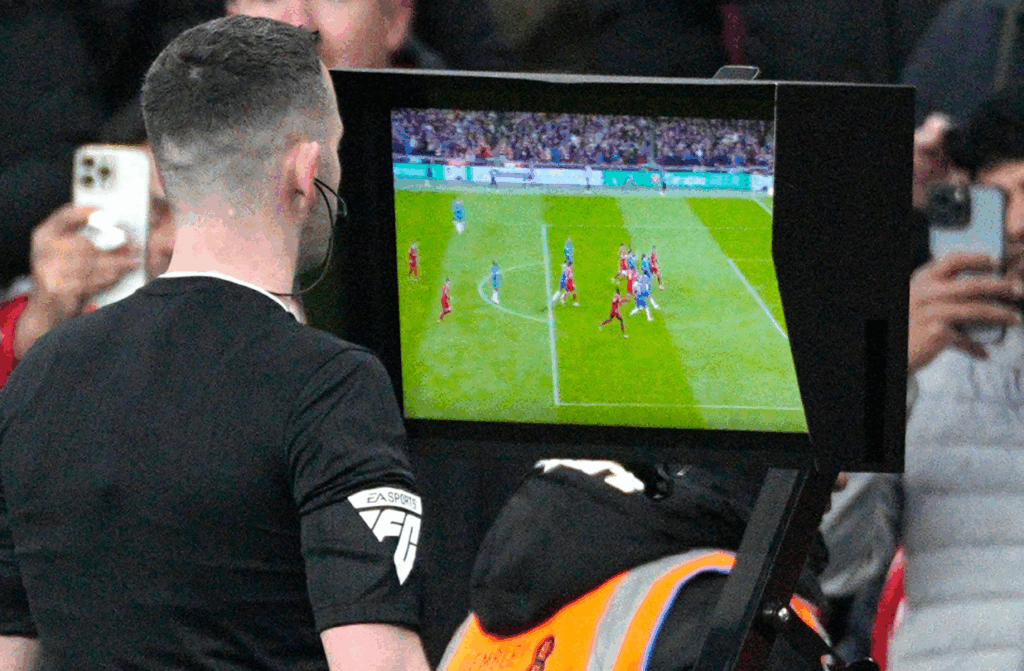
The Premier League has always been dramatic, but in 2026 the pressure on referees has reached a breaking point. Every decision is slowed down, replayed, circulated, clipped, debated, and dissected by millions of fans within seconds. Technology was meant to help. Instead, it has magnified the tension. The speed of the modern game, the emotional weight of every match, and the global spotlight have created a level of scrutiny no official in football history has ever experienced.
Referees used to operate in the background. Today they are at the centre of the story. Every weekend brings another controversy, another VAR debate, another statement from PGMOL, and another wave of frustration from supporters who no longer trust the process. Football has changed, but refereeing has struggled to keep up.
The modern game is too fast for human eyes alone
Premier League football is faster than ever. Transitions take seconds. Players move at explosive pace. Fouls that once looked obvious now happen in a blur. Even the fittest referees struggle to track every detail in real time.
VAR was introduced to relieve this pressure, but instead it created new challenges. Long delays, inconsistent reviews, and communication errors disrupt the flow of games. Fans expect flawless precision, yet interpretation is still at the heart of every decision. Technology did not simplify officiating. It made it more complicated.
PGMOL mistakes that changed the conversation
Public trust in officiating has dropped because PGMOL has been forced to publicly acknowledge several major errors. These admissions, while honest, confirm what fans already felt. Something is not working.
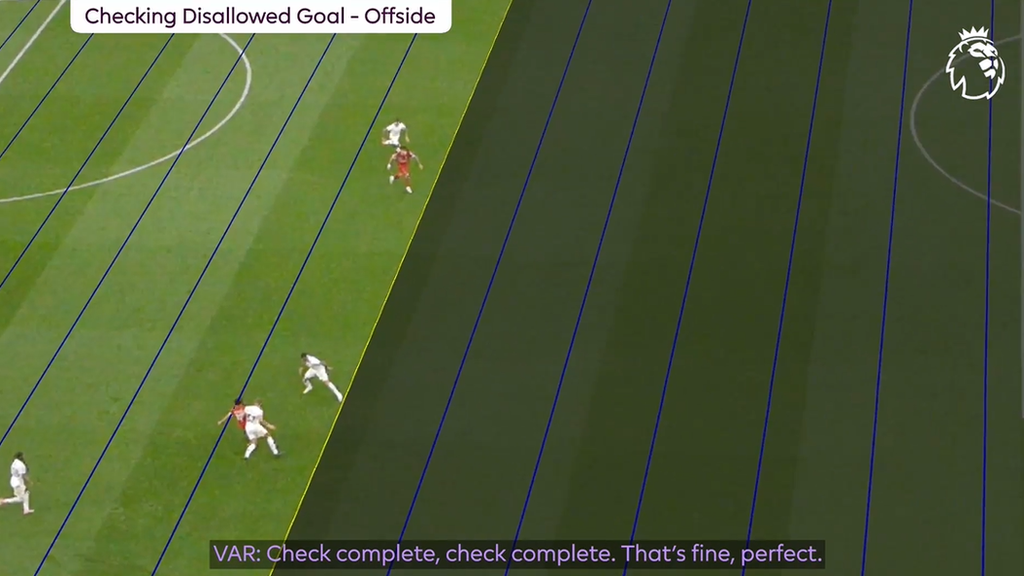
The most infamous example came in the match between Tottenham and Liverpool in 2023, when Luis Díaz scored a legitimate goal that VAR incorrectly ruled offside. PGMOL later described it as a “significant human error” caused by a communication breakdown. The clip spread around the world within minutes and became a symbol of systemic failure.
There have been others. Incorrect red cards. Missed penalties. Offsides drawn from the wrong freeze frame. Even routine incidents have appeared in PGMOL’s post match reports as errors. The transparency is admirable, but every admission chips away at the authority of the system.
Controversial referees and the perception of bias
No formal investigation has ever proven that Premier League referees show bias toward or against specific clubs. But perception is powerful, and certain officials have become lightning rods for controversy. Fans notice when the same names appear in repeated incidents. Patterns create suspicion, even when explanations exist.
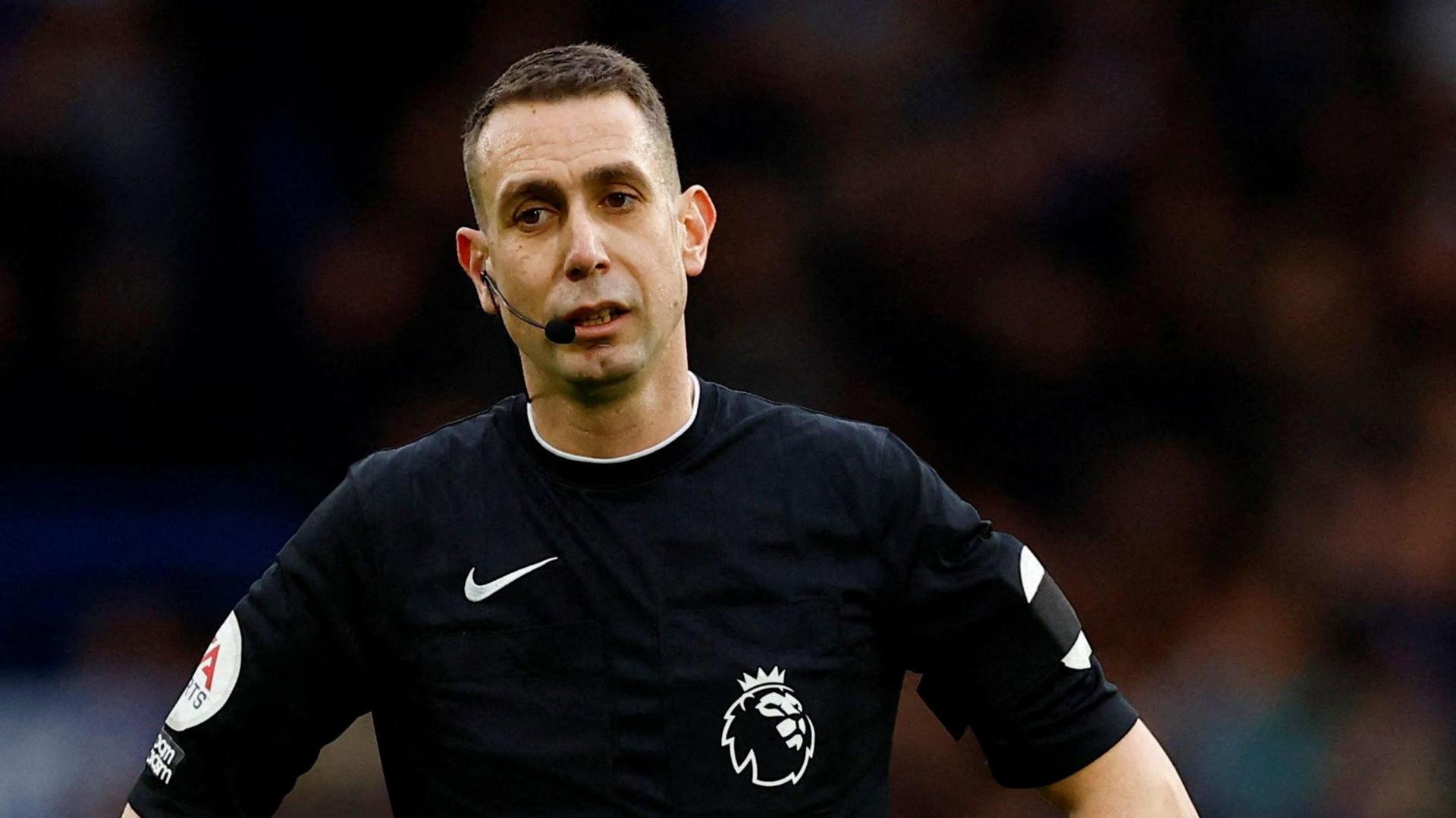
David Coote is one of the referees most frequently mentioned in supporter discussions. Multiple controversial VAR decisions, high profile mistakes, and repeated involvement in disputed matches have fuelled ongoing debate about whether he should be appointed to certain fixtures. Public confidence was damaged even further when a video circulated in 2025 showing Coote making crude and insulting comments about Jürgen Klopp. The incident caused widespread outrage across the football community and was reported to have “almost certainly ended his refereeing career under PGMOL,” according to coverage from national outlets.
While there is no public evidence proving intentional bias in his on field decision making, the combination of officiating errors and off field misconduct has shaped fan perception. In football, perception matters. Once supporters believe neutrality has been compromised, trust in the competition becomes much harder to rebuild.
Fans now demand perfection, not fairness
Football culture has shifted dramatically. In the past supporters understood that refereeing was difficult. Today every fan has access to slow motion replays, tactical breakdowns, and online debate. Mistakes no longer disappear after full time. They live online forever.
Clips circulate within minutes, comparisons are made instantly, and referees are judged by millions before any official review is complete. Supporters do not want fairness. They want perfection. They want the outcome that matches their emotional expectation. Anything else becomes a controversy.
Constant rule changes add confusion for everyone
The International Football Association Board (IFAB) regularly updates the Laws of the Game to reflect the evolution of football. These changes are necessary but disruptive. Handball guidelines shift every season. Offside interpretations become more intricate. The threshold for fouls tightens or loosens depending on yearly directives.
Referees must adjust quickly, but so must players and fans. When the rules themselves feel unstable, confusion turns into frustration. Officials become the face of rules they did not write, and they absorb the blame for interpretations they are required to enforce.
Technology exposes referees instead of protecting them
VAR, goal line technology, and semi automated offside systems were introduced to help referees, but in practice they often expose them. A small communication error becomes a global talking point. A misdrawn offside line becomes a montage on social media. Referees now operate under a microscope with no margin for error.
The Premier League works closely with official league governance and FIFA to refine technology protocols, but the relationship between humans and systems remains imperfect. The tools are powerful, but they still depend on interpretation. Fans wanted clarity. What they got was another source of frustration.
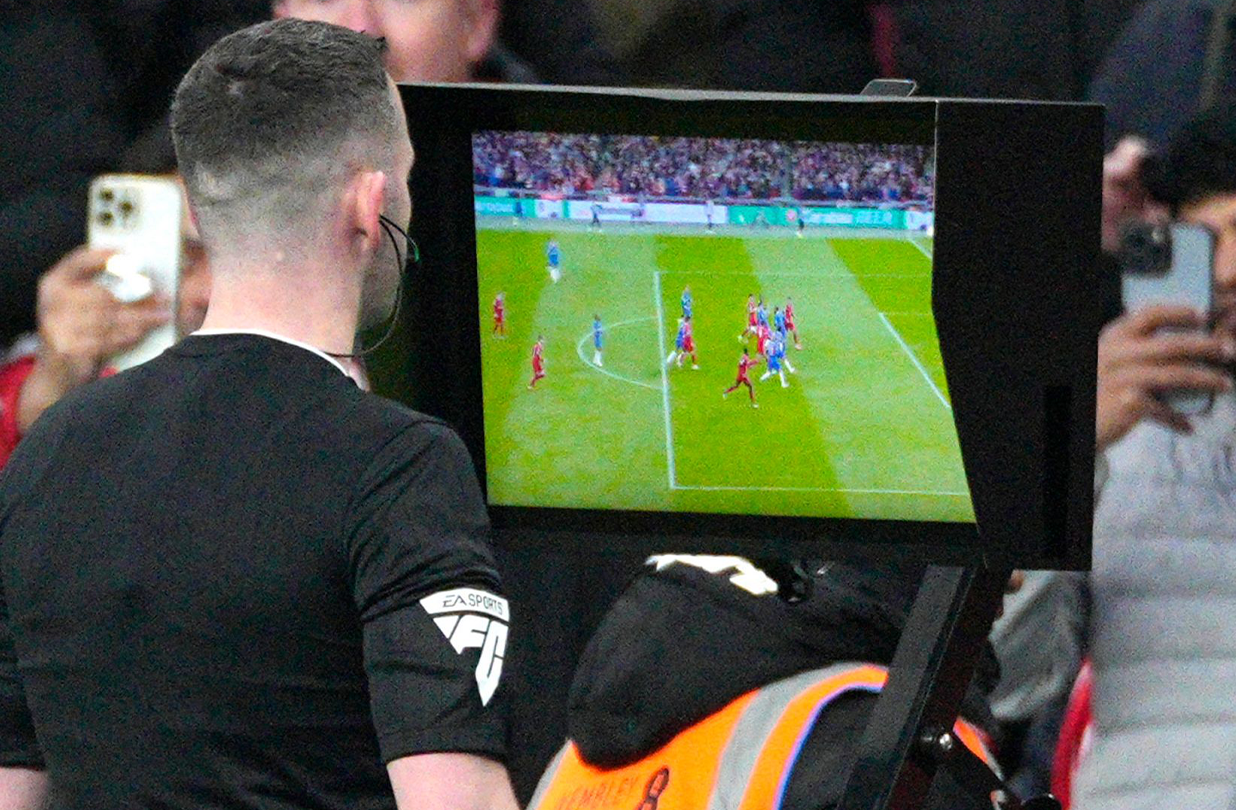
The human cost of modern officiating
Behind every decision is a person carrying immense psychological pressure. Premier League referees face online abuse, relentless media criticism, and intense matchday expectations. Their performances are reviewed publicly, their mistakes are highlighted, and their reputations are shaped by moments that unfold in seconds.
The emotional toll is significant. Officials are not supported by the same performance teams as players. They travel, review matches, attend briefings, and return to the pitch within days. A single mistake can follow them for months. Modern refereeing demands resilience of a level the general public rarely sees.
Where the Premier League must go next
If refereeing is to evolve, the solution must come from the top. Better communication. Clearer rule explanations. Stronger support from PGMOL. Consistent VAR protocols. More transparency with fans. Football needs to protect officials rather than isolate them.
Perfection will never exist in a human sport. But fairness, consistency, and clarity can. The Premier League must rebuild trust through stability and honesty. Supporters will continue to debate every call, but strong governance can restore confidence in the system.
Conclusion
The Premier League is the biggest football league in the world, and referees stand at the heart of its drama. The pressure they face in 2026 is unprecedented. Technology, public scrutiny, and a series of high profile controversies have pushed officiating into crisis. But with strong leadership and better systems, the sport can rebuild trust and give referees the support they deserve.
Frequently Asked Questions
What caused the Premier League refereeing crisis in 2026?
A combination of VAR errors, fast paced football, public scrutiny, and admitted PGMOL mistakes has destabilised trust in officiating.
Has PGMOL admitted major mistakes?
Yes. High profile incidents including the Luis Díaz offside decision have been publicly acknowledged as human errors.
Are referees biased toward certain teams?
There is no proven evidence of intentional bias. However, repeated controversies involving specific officials have shaped public perception.
How can the Premier League improve refereeing?
Clearer protocols, stronger communication, better VAR standards, and increased support for match officials.

Hi, I’m Luke. I write and edit for GameDayRoundup, covering everything from football stories to gaming and esports news. I enjoy digging into the details behind each topic so readers get something clear, honest and interesting every time they land on the site. I spend most of my time researching new stories, planning fresh ideas and making sure our content feels real and enjoyable to read.