
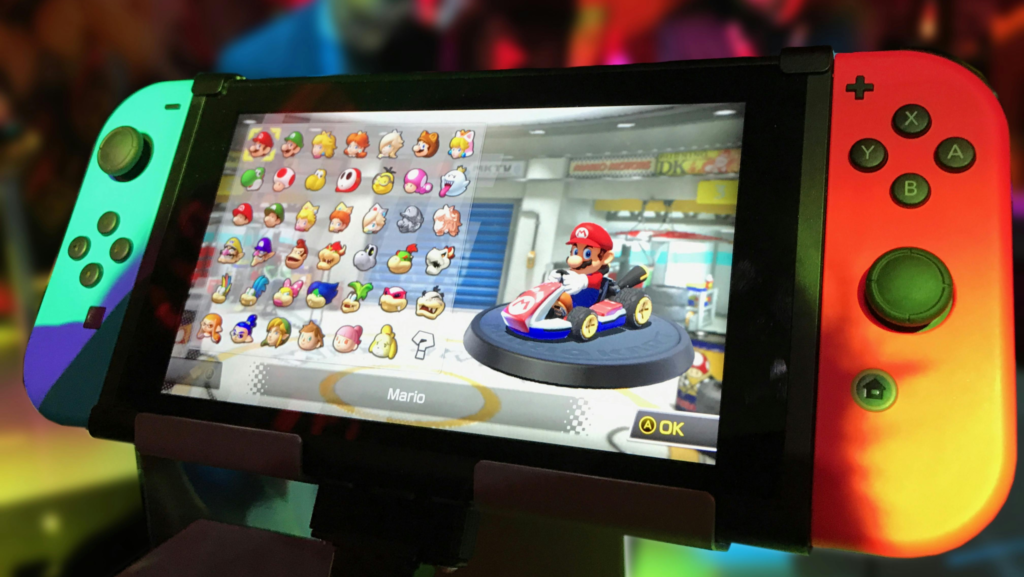
Nintendo has built something rare in modern entertainment. It is not just a gaming company. It is a place people return to at every stage of their lives, from childhood nostalgia to adult comfort. Out of all the major gaming giants, Nintendo inspires a level of emotional loyalty that feels almost unbreakable. There is a warmth to its worlds, characters and storytelling that other studios often try to capture, yet never quite recreate.
I have always believed this loyalty stems from something much deeper than favourite franchises or iconic characters. Nintendo respects the emotional weight of play. It treats games as experiences that grow with you rather than trends that fade. In a world where many publishers chase realism and spectacle, Nintendo remains committed to imagination, creativity and joy. That connection stays with people for decades, and it is one of the biggest reasons its fanbase is so fiercely loyal.
The Power of Timeless Characters
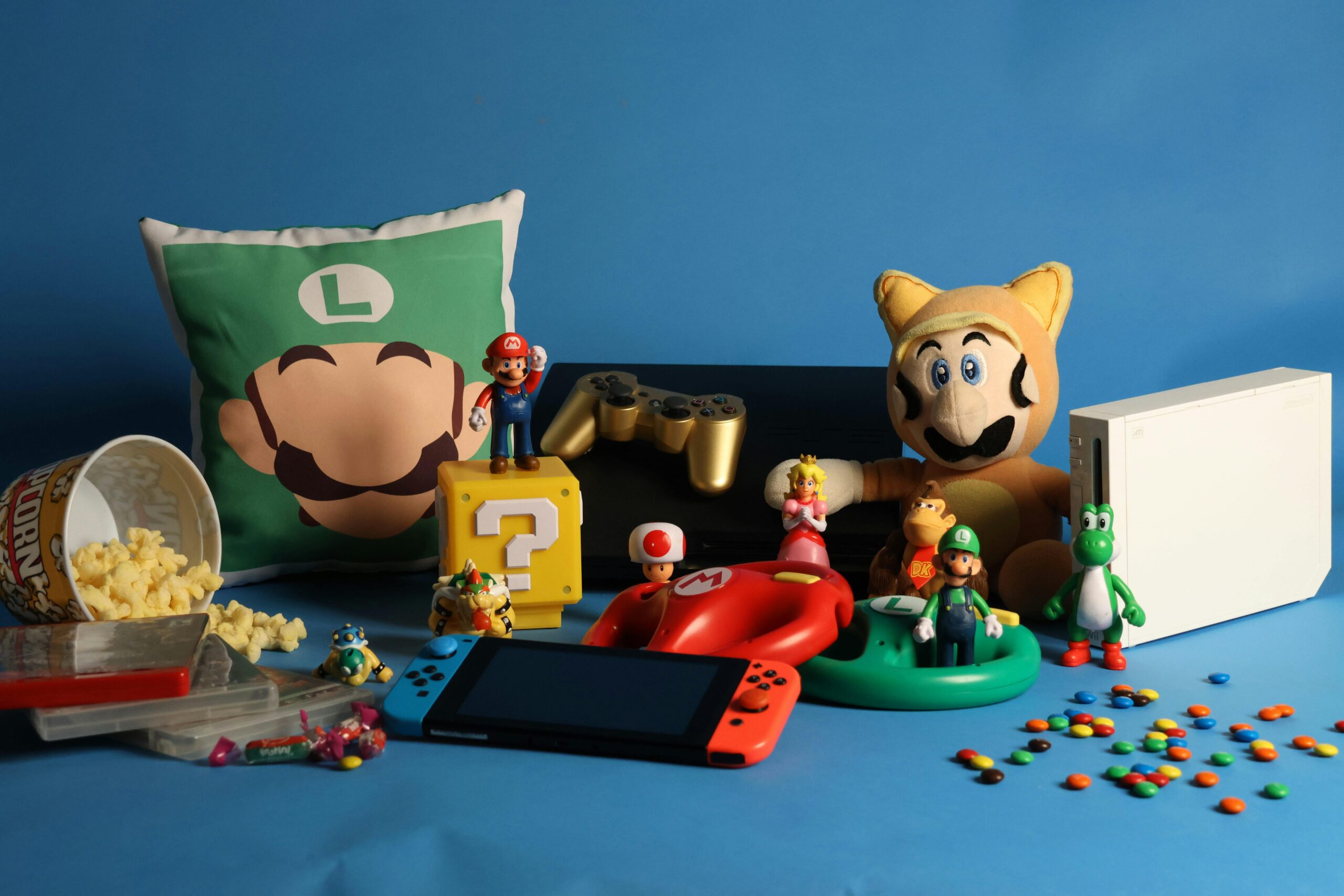
Mario, Link, Pikachu and Samus are more than characters. They are cultural touchpoints. People do not simply remember the games. They remember life moments tied to them. Family gatherings, childhood friendships, long holiday gaming sessions, and even personal victories that happened around the same time. Nintendo creates icons that feel like old friends rather than digital assets.
Nintendo understands the responsibility of maintaining these characters. Mario rarely undergoes drastic overhauls. Link evolves without losing his spirit. Pokémon creatures remain familiar even as the world grows around them. The consistency strengthens emotional bonds, and that sense of reliability is one of the biggest reasons fans stay for life. Official character histories and series information remain carefully curated on platforms such as the Nintendo website, showing how seriously the company treats its legacy.
Innovation Without Losing Identity
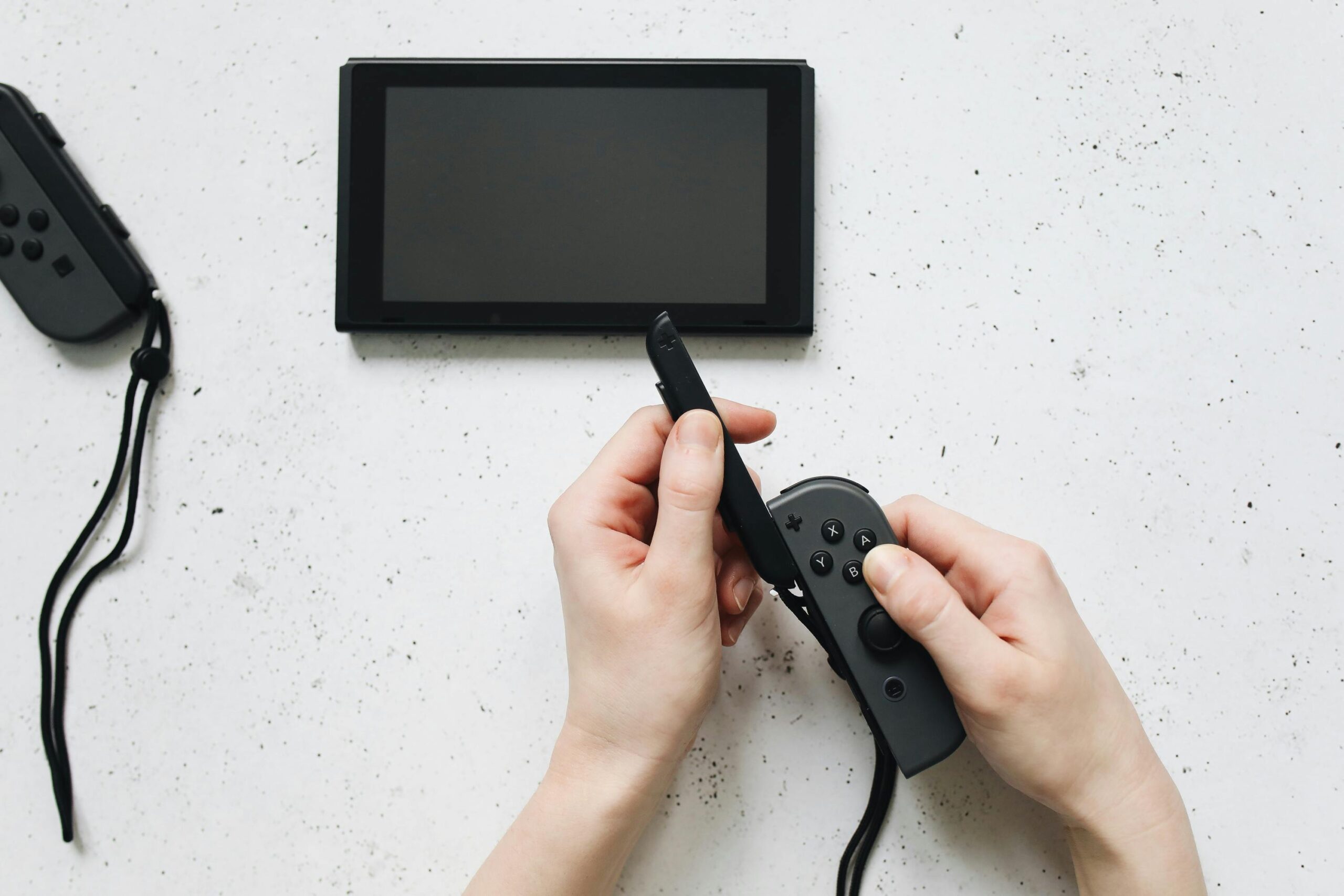
One of Nintendo’s most impressive strengths is its ability to innovate without abandoning what makes it special. While other companies often move towards hyper realism, Nintendo continues focusing on creativity, mechanics and player experience. The Nintendo Switch is one of the clearest examples. A hybrid console that lets you play anywhere should have felt risky. Instead, it became one of the most successful consoles ever released, with official hardware details hosted by Nintendo UK.
Nintendo does not chase trends. It builds the trends. When the industry shifted to powerful home consoles, Nintendo created the Wii to bring families together. When everyone expected another standard handheld, Nintendo delivered the DS with dual screens and touch controls. Even today, games like The Legend of Zelda: Tears of the Kingdom push interactive creativity far more than graphical power.
This kind of innovation builds trust. Fans know that Nintendo will take risks, but they also know those risks are rooted in fun, imagination and long term vision.
Experiences Built on Emotion, Not Just Skill
Some games challenge players. Others entertain. Nintendo’s best titles do both while adding emotional storytelling that sticks with people. The Legend of Zelda series combines world exploration with strong themes of courage and resilience. Pokémon taps into friendship, discovery and the thrill of adventure. Even games like Animal Crossing create a peaceful escape that feels therapeutic during stressful times.
I have always felt that Nintendo designs games with emotional purpose. The environments, music, colours and pacing are crafted to make players feel something. This emotional design philosophy is one of the biggest reasons players come back generation after generation.
The company has also excelled at interactive social experiences that strengthen long term loyalty. Titles like Splatoon and Mario Kart continue evolving with community feedback through official updates managed on Nintendo Switch Online. That ongoing support makes fans feel valued and heard, which is something players often say is missing from other gaming ecosystems.
Family-Friendly Worlds That Grow With You
Another reason Nintendo fans stay loyal is its multi generational appeal. Parents introduce their childhood favourites to their own children, creating a cycle of nostalgia and shared experiences. Few companies in entertainment achieve this kind of generational connection. The games are safe, warm, imaginative and incredibly easy to access for players of all ages.
At the same time, Nintendo never underestimates older players. Games like Metroid Dread or complex endgame Pokémon strategies prove that Nintendo can deliver depth when it wants to. It is this ability to appeal to both sides of the gaming spectrum that cements its position as an emotional anchor for millions of fans.
Why Loyalty Comes Naturally
Nintendo earns loyalty rather than demanding it. Its worlds feel hand crafted rather than mass produced. Its decisions are guided by imagination rather than market panic. Fans recognise that. When people buy a Nintendo console or game, they are not just making a purchase. They are buying into a legacy that shaped their childhoods, supported their creativity and gave them a sense of comfort when the world felt chaotic.
In my opinion, loyalty to Nintendo is not just about brand love. It is about emotional continuity. This company has stayed true to its values for generations. It has given people joy during some of their most personal memories. And when a company becomes part of your life story, loyalty is not something you think about. It is something you feel.
Frequently Asked Questions
Why are Nintendo fans so loyal compared to other gaming communities?
Nintendo focuses on emotional experiences, family friendly storytelling and consistent character identities. Fans grow up with these worlds and stay attached for life.
Does Nintendo’s innovation affect its fan loyalty?
Yes. Nintendo creates hardware and games that feel fresh without abandoning its core identity. This balance builds trust and long term fan commitment.
Why do Nintendo characters feel more iconic than other game mascots?
Nintendo designs characters that evolve gently over time rather than being reinvented. This consistency strengthens emotional connections across generations.

Hi, I’m Luke. I write and edit for GameDayRoundup, covering everything from football stories to gaming and esports news. I enjoy digging into the details behind each topic so readers get something clear, honest and interesting every time they land on the site. I spend most of my time researching new stories, planning fresh ideas and making sure our content feels real and enjoyable to read.