The reason for that frustration is simple. The Nemesis System is patented. And as a result, one of the most exciting mechanics ever created has largely been locked behind corporate walls.
What the Nemesis System Actually Is
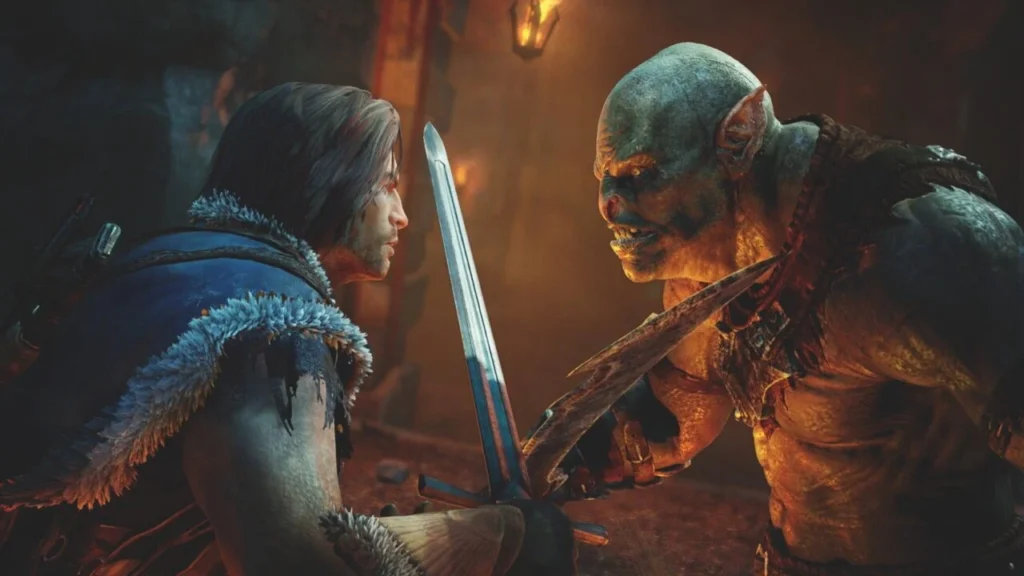
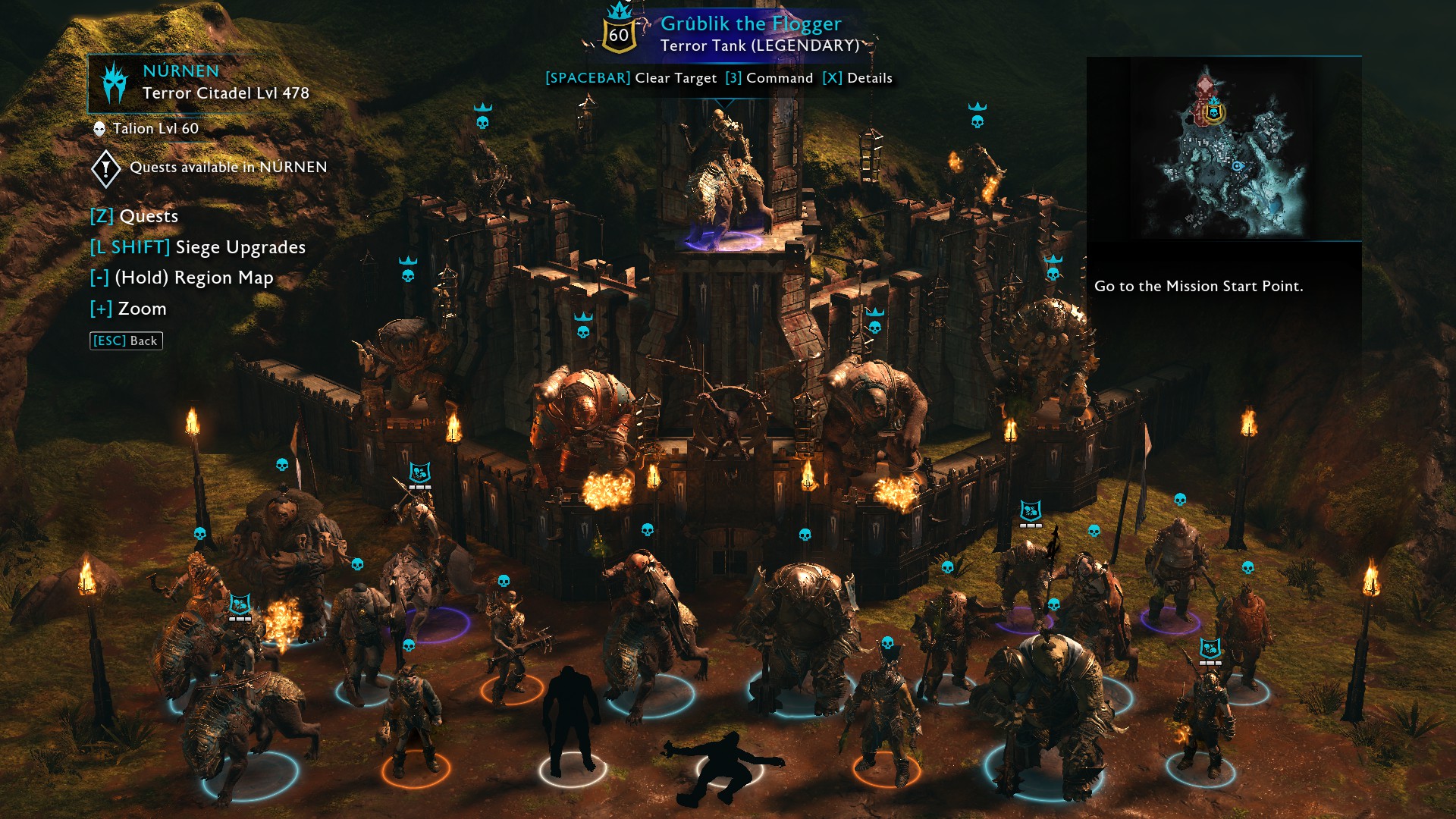
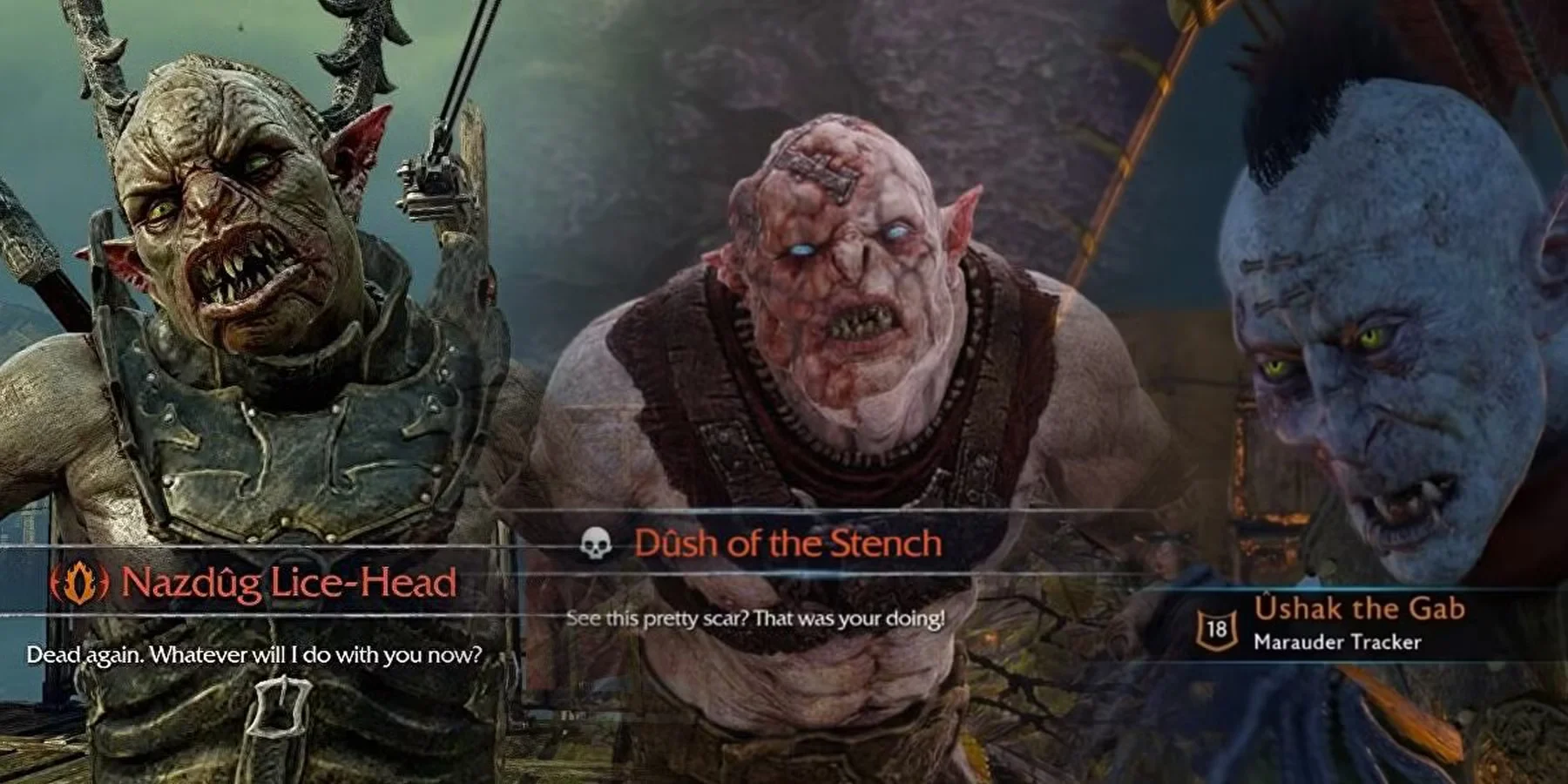
The Nemesis System was first introduced in Middle-earth: Shadow of Mordor and later expanded in Shadow of War. On the surface, it appeared to be a dynamic enemy hierarchy, but its real power lay deeper. Every enemy captain existed as an individual. They had names, personalities, strengths, weaknesses, rivalries, and most importantly, memory.
Enemies remembered encounters with the player. If an orc killed you, they might taunt you later. If you defeated one but failed to finish the job, they could return scarred, promoted, and hungry for revenge. These were not scripted events. They were systemic outcomes generated by player actions, turning moment-to-moment gameplay into long-term narrative.
For the first time, failure was not a reset. It became part of the story.
Why It Felt So Revolutionary
Most games treat enemies as disposable. They exist to be defeated and forgotten. The Nemesis System flipped that relationship. Suddenly, enemies mattered. They developed grudges. They climbed ranks. They became personal.
This changed how players approached combat. Reckless play had consequences. Retreating from a fight could empower an enemy later. Victory felt more meaningful because it closed a narrative thread, not just a health bar.
Perhaps most importantly, the system generated stories players could not replicate. No two players had the same rival. No two campaigns unfolded identically. In an era where open worlds were starting to feel increasingly formulaic, the Nemesis System made them feel alive again.
The Patent That Changed Everything
In 2021, Warner Bros. was officially granted a patent for the Nemesis System by the United States Patent and Trademark Office. The patent covers the core concept of procedurally generated enemies that remember player interactions and evolve over time.
From a legal standpoint, this was understandable. Warner Bros. invested heavily in the system’s development. From a creative standpoint, it was controversial.
Patenting gameplay mechanics is rare and deeply divisive. Unlike technology or hardware, mechanics form the language of games themselves. Locking them away risks slowing innovation rather than protecting it.
You can view the patent details directly via the USPTO patent filing, which outlines how the system tracks, modifies, and reintroduces enemies based on player interaction.
Why Other Games Never Adopted It
Since the Nemesis System’s debut, countless games have tried to replicate its magic in spirit, but none have matched it mechanically. The reason is not lack of interest. Developers and players alike frequently praise the system as one of the most exciting ideas of the last decade.
The problem is legal uncertainty. While inspiration is allowed, direct implementation risks infringement. As a result, studios avoid systems that could resemble Nemesis too closely. What could have become a genre-defining evolution instead became a dead end.
This has left a noticeable gap. Many modern open-world games still struggle to make enemies feel memorable. Rival systems exist, but they lack persistence. Enemies reset. Worlds forget. The emotional continuity Nemesis created remains absent elsewhere.
Warner Bros.’ Missed Opportunity
Perhaps the most puzzling part of the Nemesis System’s story is how little Warner Bros. itself has used it. Outside of the Middle-earth games, the system has largely disappeared. Planned projects that were expected to expand on the idea were delayed or cancelled, leaving one of the company’s strongest innovations dormant.
For a publisher with access to iconic franchises, the potential was enormous. Superheroes, villains, and rivalries are natural fits for a system built around memory and consequence. Yet years passed without meaningful evolution.
The result is a mechanic that feels frozen in time, remembered fondly but rarely experienced again.
Why Players Still Talk About It
What keeps the Nemesis System alive is not marketing or nostalgia. It is memory. Players remember specific enemies. They remember being hunted. They remember revenge.
Few mechanics have ever created that level of personal attachment to procedurally generated content. That is why discussions about the system resurface every time a new open-world game launches. Players are not asking for better graphics or bigger maps. They are asking for worlds that remember them.
The Bigger Question for Gaming’s Future
The Nemesis System raises an uncomfortable question for the industry. If mechanics can be patented, what happens to shared progress? Innovation thrives when ideas evolve collectively. When one company locks away a concept, the entire medium may lose momentum.
At the same time, developers deserve protection for their work. The challenge is balance. And in the case of the Nemesis System, many believe that balance tipped too far toward restriction.
Lost Potential
The Nemesis System remains one of the most important ideas modern gaming ever produced. Not because of its technology, but because of its philosophy. It treated players as part of the world’s memory rather than its centre. It made failure meaningful and victory personal.
Whether it ever returns in full remains uncertain. But its legacy is clear. The Nemesis System proved that procedural systems can tell human stories, and that enemies can be more than obstacles. They can be rivals. And that idea, patented or not, is one the industry may never fully escape.
Frequently Asked Questions
What is the Nemesis System?
The Nemesis System is a gameplay mechanic where enemies remember player interactions, evolve over time, and develop personal rivalries.
Why is the Nemesis System controversial?
It is patented by Warner Bros., limiting other developers from using or expanding upon similar mechanics.
Which games use the Nemesis System?
It was featured primarily in Middle-earth: Shadow of Mordor and Shadow of War.
Will the Nemesis System ever return?
The Nemesis System's return is uncertain but possible, currently held by Warner Bros. Discovery's patent until 2036, meaning only they or licensees can use it.

Hi, I’m Luke. I write and edit for GameDayRoundup, covering everything from football stories to gaming and esports news. I enjoy digging into the details behind each topic so readers get something clear, honest and interesting every time they land on the site. I spend most of my time researching new stories, planning fresh ideas and making sure our content feels real and enjoyable to read.