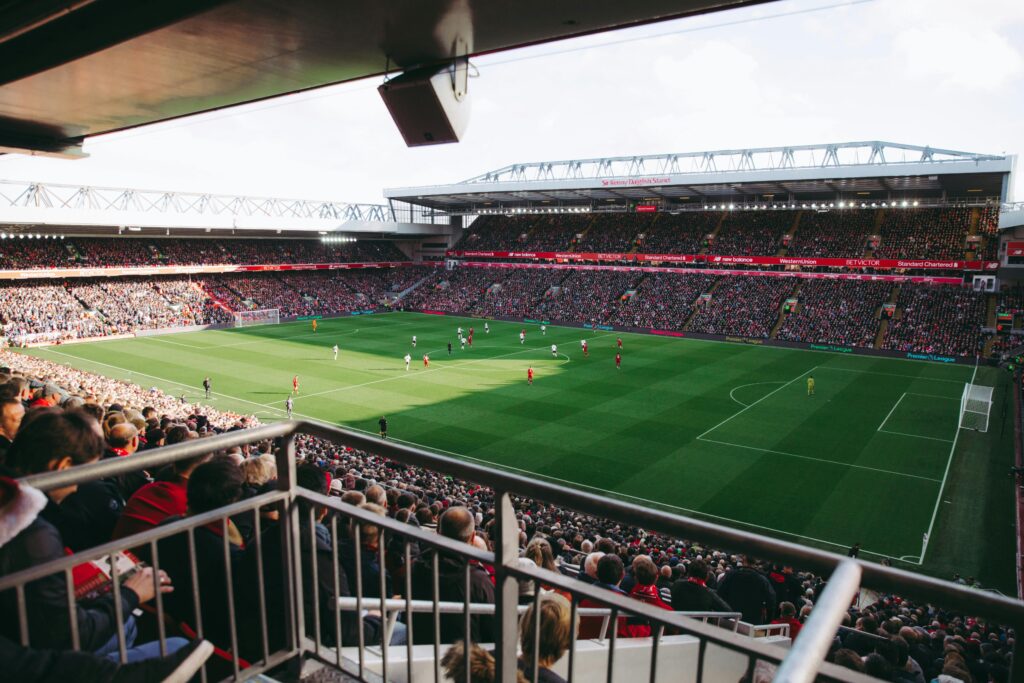
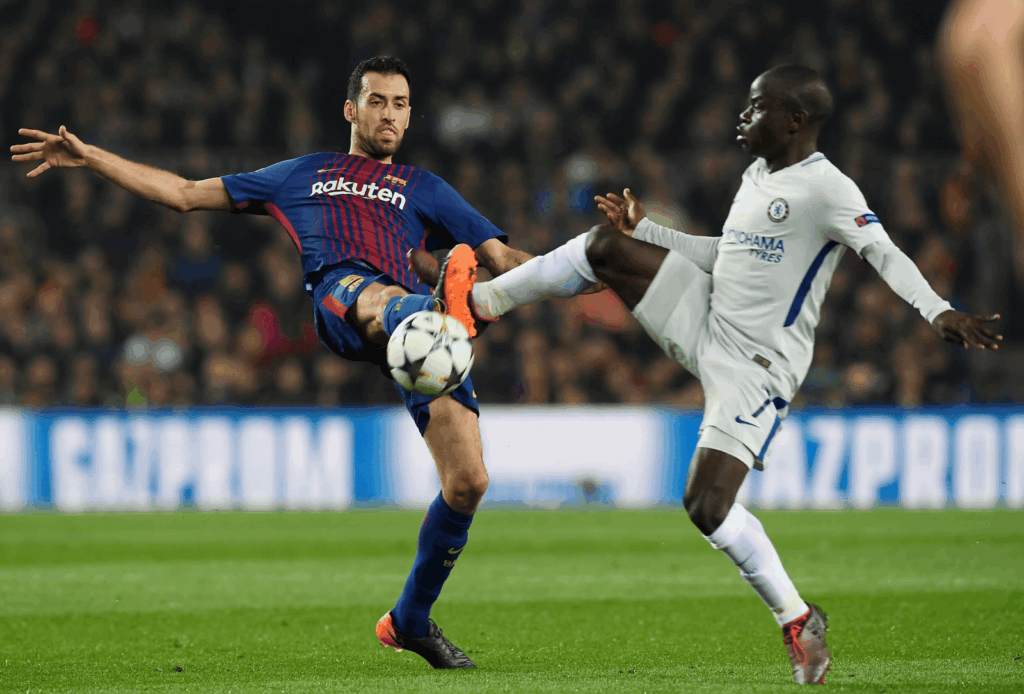
Football has evolved into a faster, more tactical sport than ever before. Systems change, formations rotate, and pressing structures dominate modern analysis. Yet despite these shifts, the biggest matches in football are still decided in the same area they always have been, the midfield.
From Champions League finals to Premier League title deciders, control of midfield space remains the most reliable predictor of success. Teams that dominate central zones dictate tempo, limit opposition threats, and create higher-quality chances without relying on chaos.
Why Midfield Control Matters More Than Possession
Possession statistics alone rarely tell the full story. What matters is where possession is held and how effectively it is used. Midfield control allows teams to recycle the ball under pressure, progress play methodically, and prevent opponents from launching transitions.
In elite matches, possession without midfield stability often leads to turnovers in dangerous areas. Teams that lack central control are forced wide, rushed into long balls, or exposed during defensive transitions.
The Role of Defensive Midfielders in Elite Matches
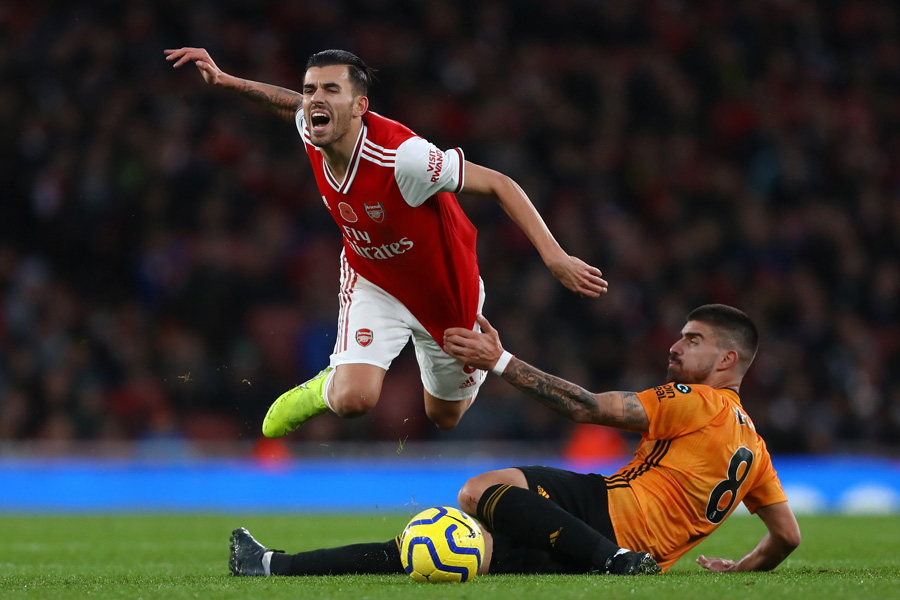
Modern football has elevated the defensive midfielder into one of the most influential positions on the pitch. Players tasked with screening the back line, breaking up play, and initiating build-up are often the difference between composure and collapse.
Clubs competing at the highest level invest heavily in this role because it stabilises every phase of play. A dominant defensive midfielder reduces the workload on defenders while giving attacking players freedom to operate higher up the pitch.
Midfield Control and Game Management
Big matches are rarely won through constant attacking. They are won through control. Midfield dominance allows teams to slow the game when under pressure, speed it up when opponents are vulnerable, and manage emotional momentum.
This ability to control matches becomes even more valuable in knockout football, where one mistake can define an entire season.
Why the Best Teams Always Win the Midfield Battle
Championship-winning sides consistently feature midfield units capable of controlling space, tempo, and transitions. This is why elite managers prioritise central balance over attacking numbers.
Whether through physical dominance, technical security, or positional intelligence, the teams that control midfield zones almost always control outcomes.
Authoritative Context
The importance of midfield control is reinforced by modern tactical analysis published by organisations such as UEFA’s technical reports and match data trends tracked across competitions like the Premier League.
Frequently Asked Questions
Why is midfield control so important in football?
Because it dictates tempo, limits transitions, and allows teams to manage matches under pressure.
Does possession equal midfield control?
No. Possession without central stability often leads to turnovers and defensive vulnerability.
Which position influences midfield control most?
The defensive midfielder plays a key role in screening, recycling possession, and breaking opposition play.

Hi, I’m Luke. I write and edit for GameDayRoundup, covering everything from football stories to gaming and esports news. I enjoy digging into the details behind each topic so readers get something clear, honest and interesting every time they land on the site. I spend most of my time researching new stories, planning fresh ideas and making sure our content feels real and enjoyable to read.