
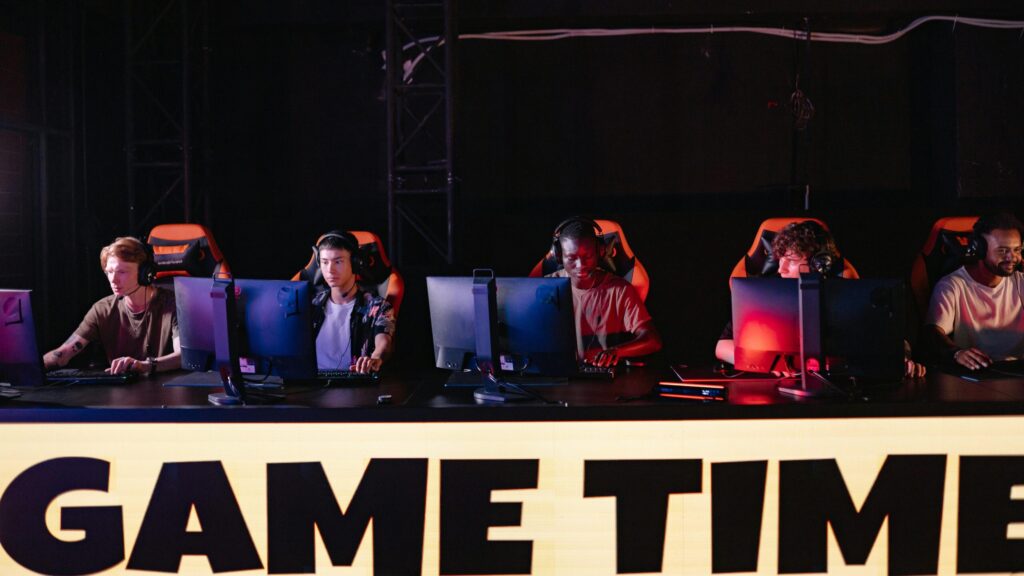
Esports might feel young, fast and unpredictable, but behind the flashing lights and global fanbases lies a powerful force that shapes every league, tournament and broadcast. Media rights have become one of the biggest economic engines in competitive gaming, influencing everything from franchise structures to player salaries. The industry has grown so quickly that many fans do not even realise how deeply media ownership, streaming agreements and broadcast exclusivity determine what they can watch and who benefits from it.
I have always believed that the media side of esports is where its future will be decided. Teams can rise and fall, patches can rewrite the meta overnight, but the organisations controlling broadcast distribution often have the greatest long term impact. When a tournament disappears, when a new league launches or when a game suddenly explodes in popularity, the business decisions behind media rights are usually at the heart of the change.
The Rise of Exclusive Streaming Deals
As esports audiences grew, platforms began competing for exclusive access to the most watched events. Exclusive broadcast rights meant more viewers, more subscriptions and more long term growth. Riot Games demonstrated this early with official League of Legends broadcasts that drew millions. Likewise, Valve’s support for Dota 2 competitions through Valve’s official tournament ecosystem encouraged large scale production companies to invest in dedicated coverage.
These exclusive deals come with advantages. They allow production teams to develop consistent branding and higher quality broadcasts. They also give leagues reliable revenue. However, exclusivity can also frustrate fans. A favourite tournament may suddenly move platforms or require paid access. This kind of shift can fracture a community overnight. It is one of the reasons many esports fans have mixed feelings about exclusive media rights, especially when free community restreams become restricted.
How Media Rights Influence League Structure
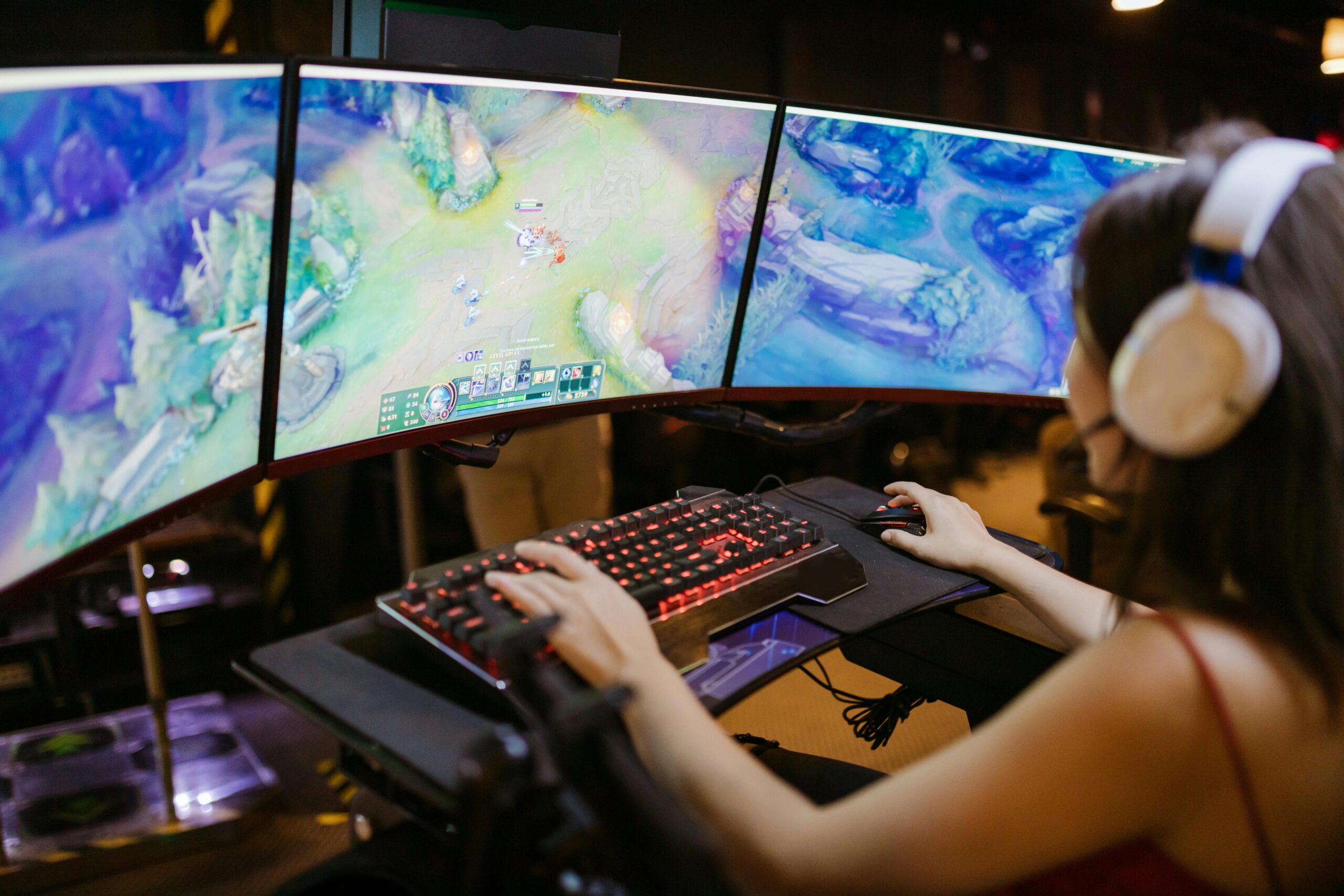
Media contracts do more than control where tournaments are streamed. They can dictate how entire leagues operate. Franchised systems, like the one used in the Overwatch League and the League of Legends Championship Series, rely heavily on stable broadcast revenue. Without those deals, team slots would be far less valuable and players would not enjoy the salaries they receive today.
This is why major esports publishers often invest heavily in production quality. When fans watch a broadcast, it reflects the professionalism of the league. Strong viewing numbers secure stronger future media deals. In many ways, the quality of a broadcast is as important as the games being played. Esports leagues recognise this, which is why official organisers such as ESL publish detailed production calendars and event schedules on the official ESL website.
The Battle Between Free Access and Monetisation
In traditional sports, media rights are tied to television contracts worth billions. Esports is moving in the same direction, but the audience is different. Most esports fans grew up watching free content online. A sudden shift toward paid access can feel like a betrayal. This creates a unique challenge for publishers. They need stable revenue, yet they must respect the expectations of a global audience that values accessibility.
Some organisers have experimented with hybrid models. Free streams remain available, but premium passes offer camera controls, behind the scenes content or ad free viewing. This balance allows leagues to monetise without locking out fans who cannot pay. From my perspective, this approach works best because it protects the community while still encouraging financial growth.
Why Media Rights Will Decide the Future of Esports
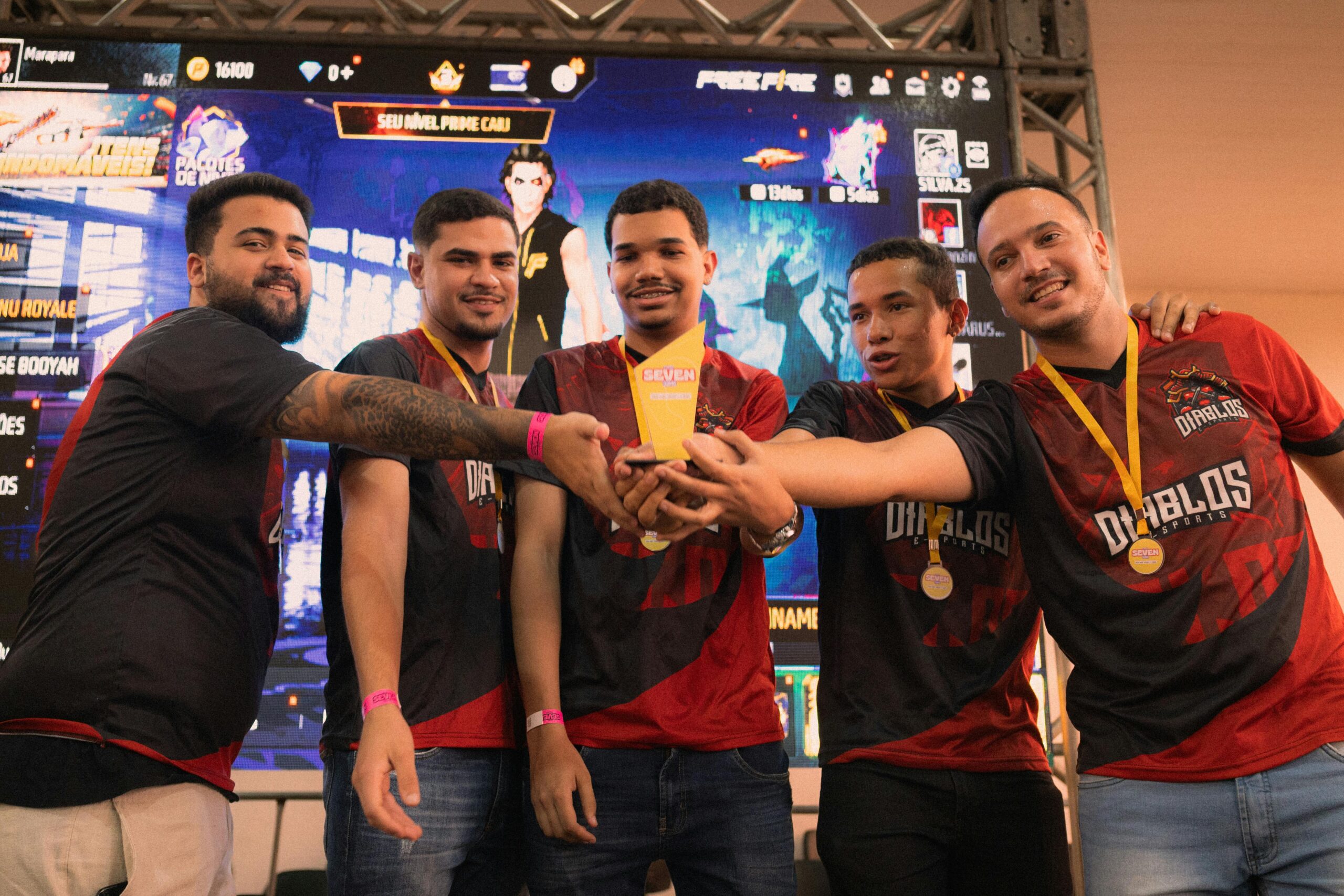
Esports is still finding its identity. Some leagues resemble traditional sports. Others stay community driven and grassroots. Media rights often determine which path a game follows. Exclusive deals bring money and stability, but they also centralise control. Open streaming helps build massive communities, but it limits revenue and professional infrastructure. Both approaches have value. The key is balance.
In my opinion, the healthiest future for esports lies in flexible media rights that evolve with the audience. Fans want access, teams want financial support and publishers want long term growth. When media partnerships respect all three, the industry thrives. The challenge is getting everyone to work toward a vision that puts sustainability before short term gain.
Frequently Asked Questions
How do media rights affect esports leagues?
Media rights control where events are streamed, how leagues are funded and the way teams earn revenue. They influence league structure, production quality and long term sustainability.
Why do esports tournaments sign exclusive streaming deals?
Exclusive deals provide stable financial support, allowing organisers to invest in production and long term development. They also help streaming platforms secure large audiences.
Do media rights benefit esports fans?
They can improve production quality and consistency, but exclusivity may restrict access. Hybrid models offering both free and premium viewing usually strike the best balance.

Hi, I’m Luke. I write and edit for GameDayRoundup, covering everything from football stories to gaming and esports news. I enjoy digging into the details behind each topic so readers get something clear, honest and interesting every time they land on the site. I spend most of my time researching new stories, planning fresh ideas and making sure our content feels real and enjoyable to read.