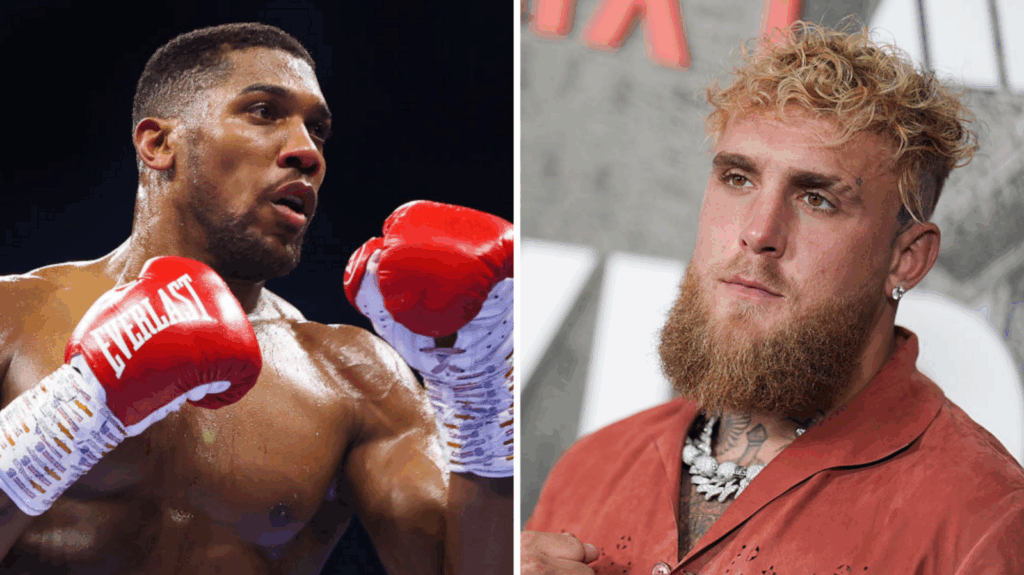
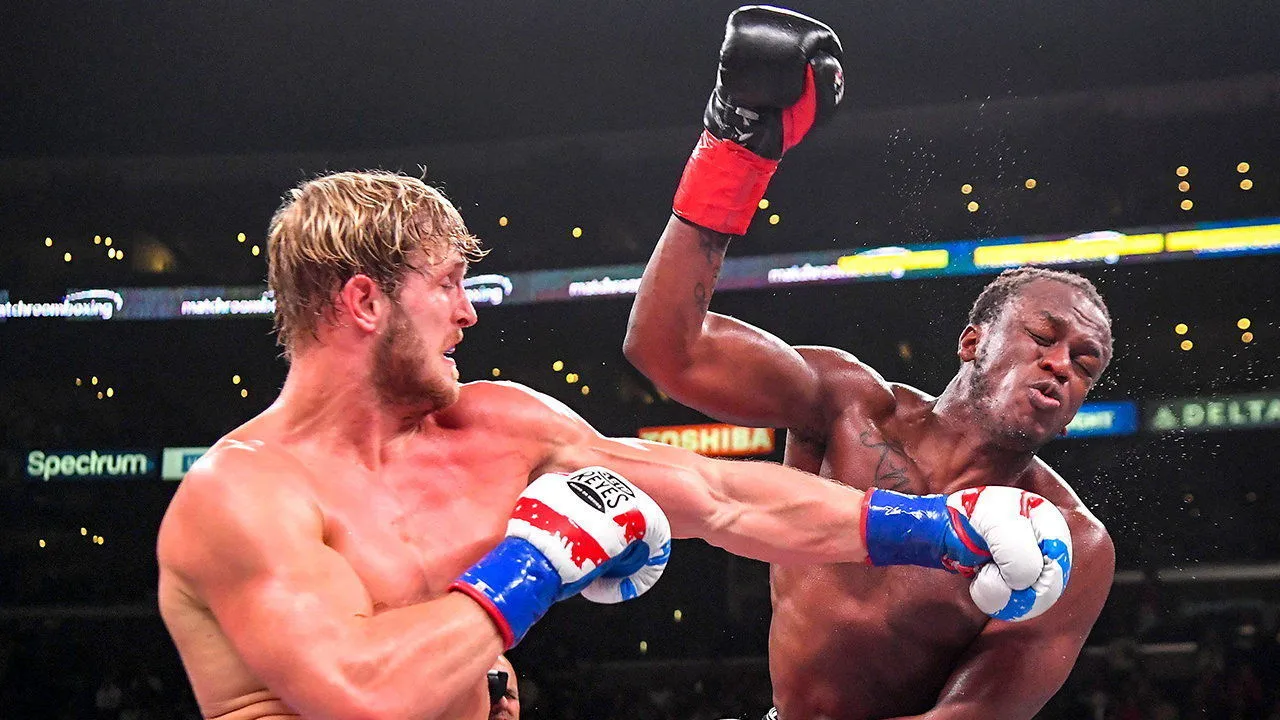
Influencer boxing has risen from an online novelty to a global spectacle, reshaping the wider boxing universe in ways that even the most seasoned promoters did not anticipate. What started as YouTubers settling digital feuds in the ring has evolved into stadium events, multi-million-dollar broadcasts, and crossover fights that blur the lines between celebrity entertainment and elite sport. With Jake Paul set to face Anthony Joshua on December 19, that blurred line is about to become a major talking point.
I have always believed influencer boxing is good for the sport when it stays within its own ecosystem. It brings fresh eyes, younger demographics and an energy that traditional boxing has struggled to maintain. But when influencers step directly into the professional arena, especially against decorated champions, the waters can easily become muddy, risking the credibility that real fighters work their entire lives to earn. This article explores the positives, the downsides and the enormous financial impact influencer boxing has had on the sport.
The Positives: A New Wave of Fans and a Recharged Industry
There is no denying that influencer boxing has made boxing feel alive again. Young audiences who once knew nothing about scorecards, weight cuts or sanctioned belts are now buying pay-per-views and debating matchups like die-hard fans. Influencers have managed to tap into an audience traditional boxing promoters struggled for decades to reach.
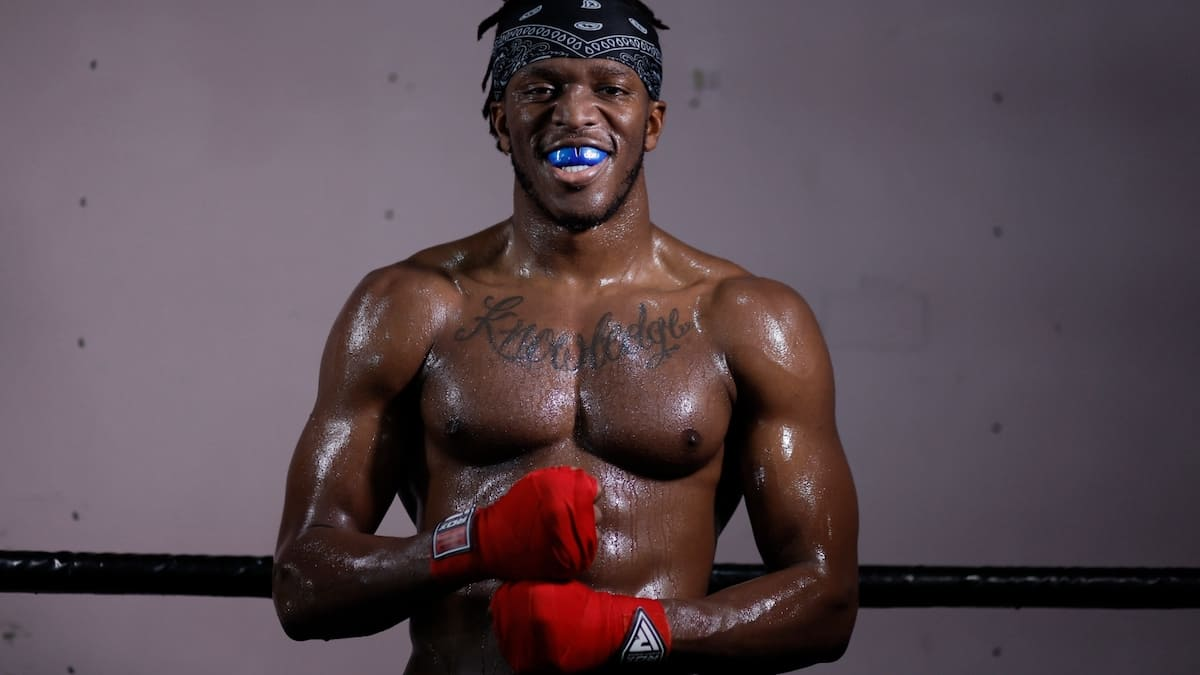
Jake Paul alone has arguably brought more modern marketing power to boxing than most established promoters. Logan Paul helped fill stadiums for exhibition fights. KSI opened a new era of crossover events on major streaming services. And whenever influencers fight, social media explodes with a level of engagement that many professional cards struggle to achieve.
Influencer boxing also brings something boxing has not consistently delivered for years: entertainment. The events are loud, dramatic and fun. They come with built-in storylines, rivalries and personalities that resonate with millions. Traditional boxing often has better pure sport but weaker narratives. Influencers thrive on narrative, and that energy bleeds into the sport in a positive way.
The result is simple. More eyes on the sport, more conversations, more excitement and a revived commercial presence that benefits boxing at every level.
The Negatives: When Crossovers Threaten Professional Credibility
With all its benefits, influencer boxing also brings legitimate concerns. These concerns become especially sharp when influencer fighters enter the professional domain and face established athletes. The upcoming Jake Paul versus Anthony Joshua fight on December 19 is the perfect example of where the line begins to blur.
Joshua is a former world heavyweight champion with years of high-level experience. Jake Paul is undeniably committed, improving and legitimate in his own right, but his path into the sport is fundamentally different. When a seasoned champion fights someone who began as an entertainer, it sends mixed messages about what it takes to reach the top.
If the professional fighter wins easily, people dismiss the event as nothing more than a spectacle. If the influencer survives the fight or even wins, critics claim the entire sport must not be as difficult as it appears. Either outcome creates narratives that undercut the legitimacy of boxing’s elite.
There is also the risk that the business side becomes more important than sporting integrity. When sanctioning bodies, broadcasters and promoters get involved for financial gain, the line between competitive boxing and entertainment boxing grows thinner. The more it blurs, the more traditional fans worry that boxing could lose the seriousness and reputation it has built over generations.
Influencer boxing works best when influencers fight each other. It becomes controversial, and sometimes harmful, when they step into the professional tier as if the climb to the top can be shortcut through popularity. The challenge now is maintaining respect for the sport while still welcoming the new audience influencers bring.
The Financial Impact: A Multi-Hundred-Million-Dollar Surge
One thing is beyond debate. Influencer boxing has injected an enormous amount of money into the sport. Industry estimates suggest that influencer-driven events have generated hundreds of millions of dollars since 2018. Some analyses put the total value of pay-per-views, sponsorships, merchandise, international rights and ticket sales comfortably above half a billion dollars.
The financial impact is everywhere. Pay-per-view numbers for influencer events frequently match or even exceed those of major professional cards. Arenas sell out quickly because influencer audiences are passionate, young and highly engaged. Brands that once ignored boxing now view influencer events as prime marketing opportunities, bringing sponsorship money that trickles into gyms, promotions and fighters’ pockets across the industry.
The Jake Paul versus Anthony Joshua fight on December 19 is expected to be among the most commercially successful events of the year. Whether people support it or hate it, they will watch it. And when millions watch anything, the financial benefits ripple outward through every corner of the sport.
Money fuels training facilities, grassroots boxing programs, media coverage and global exposure. It gives fighters more opportunities and gives promoters stronger budgets. Influencer boxing has become one of the sport’s biggest economic engines, and its financial impact is impossible to ignore.
Final Thoughts: A Positive Force When Boundaries Stay Clear
Influencer boxing has undeniably revived interest in the sport, expanded its audience and brought in enormous revenue. It has created characters, tensions and narratives that modern audiences connect with instantly. It has made boxing visible again in a world where traditional sports often struggle to compete with digital entertainment.
But there must be balance. Influencer vs influencer is good for the sport. It is entertaining, profitable and accessible to new fans. Influencer vs elite professional is where the risk lies. It can distort the sport’s image and raise questions about what it truly means to be a world-class fighter.
The Jake Paul versus Anthony Joshua fight on December 19 represents the height of this tension. It will succeed financially and generate a global conversation, but it will also challenge the boundaries between entertainment and elite sport. The key now is protecting the credibility of professional boxing while still embracing the energy influencer boxing brings.
Influencer boxing is not leaving anytime soon. The challenge for the sport is making sure it enhances boxing’s future rather than complicates it.
Frequently Asked Questions
Why do influencers draw such large boxing audiences?
Influencers bring massive built-in followings from platforms like YouTube, TikTok and Instagram. Their fans feel personally connected to them and are eager to watch any new challenge they take on, including stepping into the ring. Because influencer culture revolves around storytelling and loyalty, their audiences engage at levels traditional boxing rarely matches. This emotional connection is what turns even casual followers into highly invested viewers on fight night.
Are traditional boxing promoters benefiting from influencer events?
Yes. Even promoters who don’t work directly with influencers benefit from the increased attention and revenue flowing into the sport. Bigger conversations around boxing mean higher search traffic, more sponsorship opportunities and broader global visibility. In many cases, promoters have taken lessons from influencer marketing, adopting faster-paced storytelling and digital-first strategies to boost interest in their own fighters.
Could influencer boxing eventually replace traditional boxing?
No. Influencer boxing may be popular, but it doesn’t replace the depth, technique or long-term competition found in professional boxing. Instead, it acts as an entry point for new fans. Most viewers who arrive through influencer fights eventually explore the traditional side of the sport, discovering champions, rankings and real title stakes. Influencer boxing expands the market rather than replacing it, as long as both lanes remain clearly defined.

Hi, I’m Adam and I cover a mix of football, gaming and general sports stories for GameDayRoundup. I like writing in a way that keeps things simple, direct and enjoyable for everyone, whether you follow the sport every day or just check in now and again. I always try to bring a bit of personality to the articles I work on, along with careful editing to make sure everything is accurate and easy to understand.