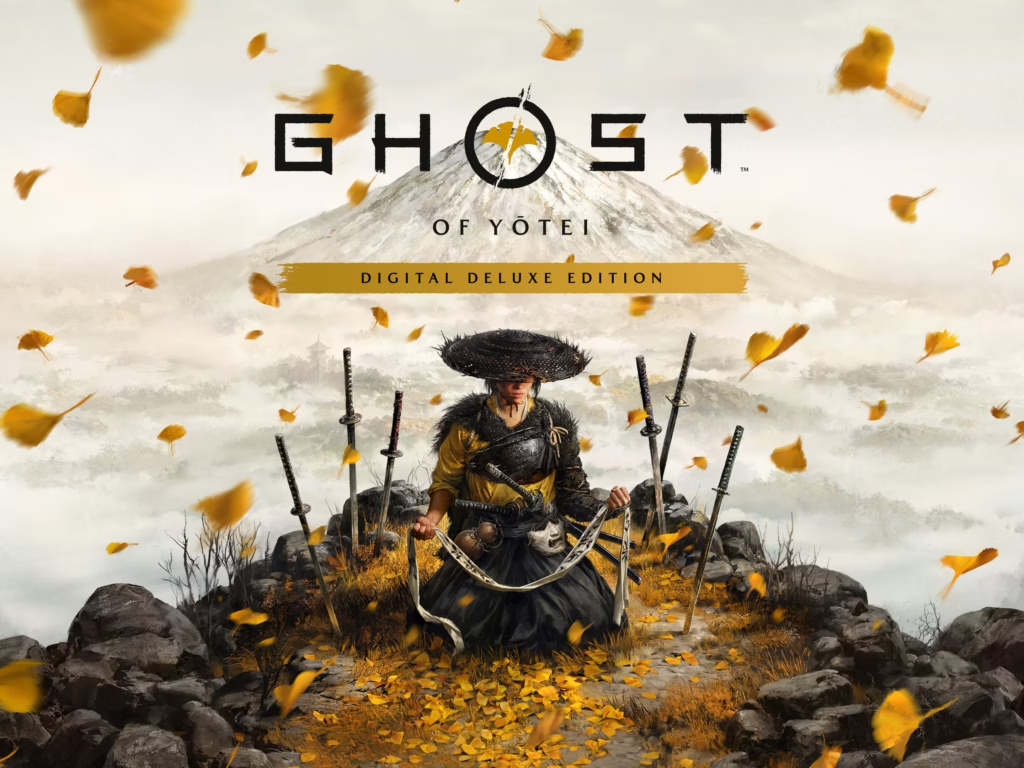
If you thought Ghost of Tsushima set a new benchmark for open-world samurai adventures, Ghost of Yōtei doesn’t just meet expectations, it exceeds them. While the first game earned widespread acclaim for its stunning visuals, fluid combat, and immersive storytelling, I find Ghost of Yōtei to be a bolder, deeper, and more emotionally resonant experience. In fact, controversially, I believe it’s better than the original, and here’s why.
Atsu, A Protagonist with More Depth
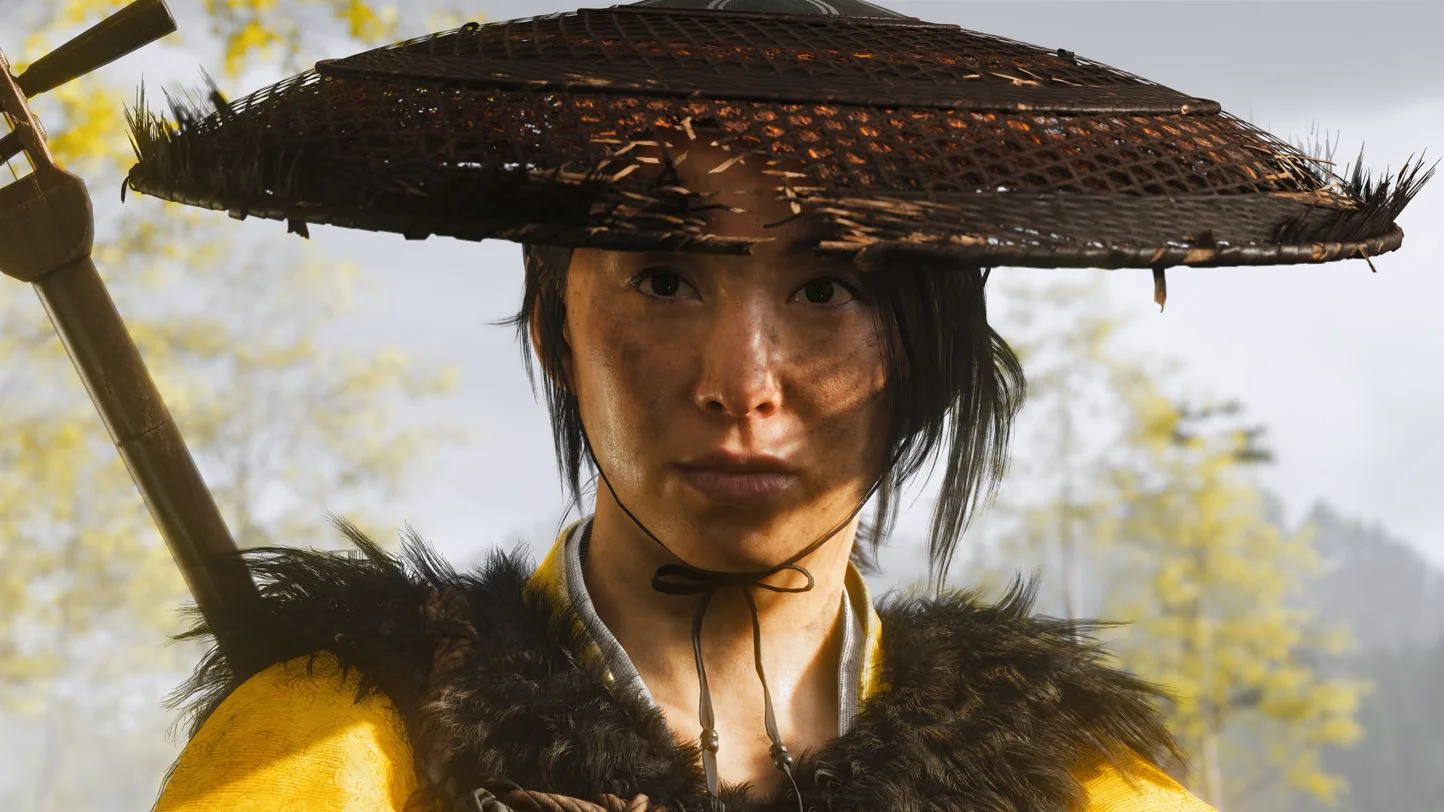
The heart of any story-driven game lies in its characters, and Ghost of Yōtei makes a significant leap here. Atsu, the protagonist, is far more than a silent blade moving through a living world. Unlike the first game, where Jin’s journey sometimes felt guided more by circumstance than by personality, Atsu is a character with nuanced motivations, conflicting emotions, and a moral compass that evolves over the story, giving every decision weight and significance.
You feel Atsu’s growth as you progress, whether through quiet moments in the hot springs reflecting on past decisions, or the intensity of dueling against enemy generals. Atsu’s journey is not just about survival, it’s about revenge, justice, and the personal cost of the path he has chosen, making each encounter and decision resonate emotionally, and enhancing the immersion.
Polished Combat and Enhanced Mechanics
Fans of the original will notice immediately how Ghost of Yōtei builds upon the combat systems that made Ghost of Tsushima a joy to play. Every sword clash feels sharper, every parry and dodge is more responsive, and the introduction of new abilities, and weapon upgrades ensures that no two encounters feel the same.
Collecting materials to upgrade weapons and armor has never been more satisfying. Each upgrade feels meaningful, not just a numbers boost, whether you are crafting a more resilient armor set, a razor-sharp katana, or experimenting with new ghost techniques, the game rewards exploration and patience.
For long-time fans, it’s clear that the developers didn’t just recycle mechanics, they refined and expanded them, giving the sense that every fight, every stealth assassination, and every open-field battle has been carefully calibrated for both challenge and cinematic flair.
A Living, Breathing World
One of the first things that hits you when diving into Ghost of Yōtei is the sheer beauty of its world. The game invites you to get lost in its scenery, from the snow-capped mountains and misty valleys to the vibrant autumn forests and tranquil rivers, every frame is like a moving painting.
Beyond sightseeing, the world itself is packed with activities, you can soak in hot springs, a peaceful respite that reinforces the game’s sense of serenity amidst chaos, or you can explore forests and villages in search of materials, hidden collectibles, and lore, each adding depth to the experience.
Even casual exploration is rewarding, hunting, crafting, and completing side quests feels natural rather than forced, giving you the freedom to engage with the world at your own pace. For those who want to fully immerse themselves, there’s a meditative joy in wandering the landscapes while the dynamic weather and changing seasons play out around you.
A Revenge Story That Hits Hard
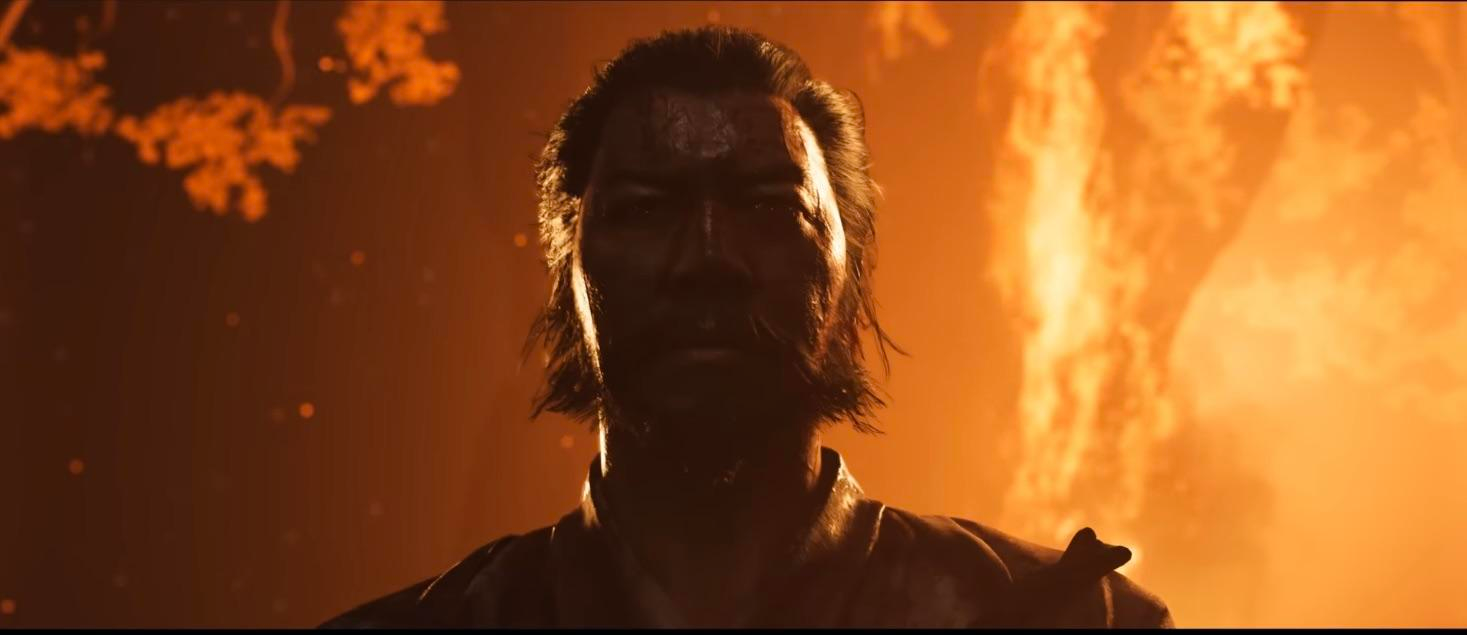
After hours of exploring, upgrading, and mastering combat, Ghost of Yōtei delivers its narrative punch, a revenge story that grips you from start to finish. Lord Saito, the main antagonist, is written and portrayed in such a way that you truly hate him, creating stakes that feel personal rather than abstract.
Unlike the first game, where Jin’s vendetta sometimes felt like a broader, almost mythical pursuit, Atsu’s revenge against Lord Saito is grounded in emotion and consequence. You are not just fighting for honor, you are fighting for closure, justice, and the lives of those affected by Lord Saito’s cruelty. The writing and pacing here elevate the game beyond spectacle, offering a story that resonates long after the credits roll.
Improved Side Activities and Replay Value
Side quests in Ghost of Yōtei are no longer filler. Each one contributes to world-building or character development, whether you’re helping villagers, uncovering hidden lore, or mastering your ghost techniques, every activity feels intentional.
The game also rewards players who love to explore thoroughly. Upgrading your armor and weapons isn’t just about combat, it’s a chance to immerse yourself in Atsu’s journey, ensuring that even the quiet moments have meaning.
Replay value is strong. Different combat styles, stealth approaches, and branching choices make subsequent playthroughs feel fresh, you can experiment with ghost versus samurai tactics, revisit scenic locations, or focus entirely on mastering the combat system, all while following the same emotionally charged storyline.
Why I Believe It’s Better Than the First
This might be a controversial opinion, but for me, Ghost of Yōtei surpasses Ghost of Tsushima. The improvements aren’t superficial, they’re substantive and thoughtful. Atsu is a richer character than Jin, the combat is sharper and more rewarding, the world is more vibrant and explorable, and the revenge story against Lord Saito hits harder emotionally.
It’s rare for a sequel to refine a game that was already near-perfect, yet Ghost of Yōtei manages to do so without losing the magic that made the original special. Everything that was amazing in the first game has been polished, expanded, and deepened, creating a richer and more immersive experience.
Final Thoughts, Hours of Immersion Await
Whether you’re wandering snowy peaks, relaxing in a hot spring, or preparing for a climactic duel, Ghost of Yōtei offers an experience that’s both expansive and intimate. You can spend hours exploring, crafting, and upgrading, and when the world finally demands your attention through its main story, it delivers a narrative payoff that’s emotionally satisfying.
If you loved Ghost of Tsushima, prepare to be blown away. And if you’re new to the series, Ghost of Yōtei might just set your benchmark for what an open-world samurai adventure should be. With its beautiful world, meaty combat, and emotionally charged storytelling, it’s a game that will leave a lasting impression.
For me, this is not just a worthy sequel, it’s the definitive Ghost experience, a rare case where the second game improves upon perfection.
Editor’s Verdict: 4.5/5
Frequently Asked Questions
How does Atsu’s character development in Ghost of Yōtei differ from Jin in the first game?
Atsu’s character in Ghost of Yōtei is more emotionally complex and layered than Jin from the first game. While Jin’s journey focused primarily on honor and survival, Atsu wrestles with personal revenge, moral choices, and the consequences of his actions. The game gives players intimate glimpses into his thoughts during quiet exploration moments or interactions with villagers, making his growth feel organic. This depth adds emotional weight to the story, especially in his confrontations with Lord Saito, making each duel and narrative decision resonate more than in the original.
What new gameplay features make Ghost of Yōtei worth playing even for fans of the first game?
Ghost of Yōtei expands on the original’s combat and exploration mechanics with upgraded weapons, armor crafting, and ghost techniques. The world is larger and more interactive, with rewarding side quests, hidden collectibles, and activities like hot springs and material gathering. Even veteran players will find that upgrading gear strategically and experimenting with combat styles adds depth and replayability, ensuring that the sequel is not just a visual upgrade but a meaningful evolution of gameplay.
How does the revenge story against Lord Saito enhance the game’s narrative?
The story’s central focus on revenge against Lord Saito provides a clear and emotionally gripping motivation for players. Unlike the broader and sometimes abstract conflicts in the first game, Atsu’s vendetta is personal and morally charged, making the stakes feel immediate. Each encounter with Lord Saito or his generals builds tension and engagement, and the narrative is structured so that exploration, combat, and side activities all feed into the revenge arc, delivering a story-driven experience that is both satisfying and memorable.

Hi, I’m Adam and I cover a mix of football, gaming and general sports stories for GameDayRoundup. I like writing in a way that keeps things simple, direct and enjoyable for everyone, whether you follow the sport every day or just check in now and again. I always try to bring a bit of personality to the articles I work on, along with careful editing to make sure everything is accurate and easy to understand.