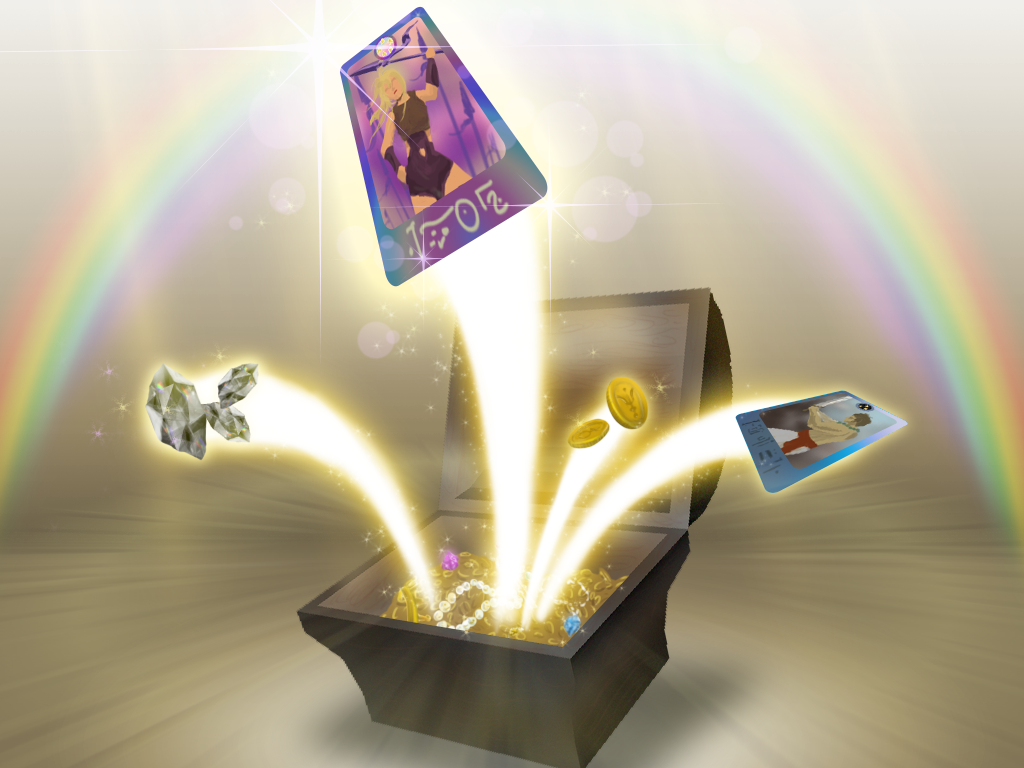
There is a moment every player knows. The screen flashes. The chest opens. Light spills out. Your heart does a small, hopeful jump before your brain even catches up. This is the magic of loot. Or at least, that is what it feels like. What actually happens in that instant is quieter, colder, and far more calculated.
Behind every legendary sword, rare skin, or mythic drop is not fate or fortune, but an algorithm. Not one algorithm either, but layered systems of probability, psychology, and business logic designed to decide what you get, when you get it, and how badly you want the next roll. We talk about “luck” in games because it feels better than saying we are being mathematically guided.
This is the story of how modern games decide your loot. Not in spreadsheets or patch notes, but in the emotional space between hope and disappointment where players actually live.
Why Loot Feels Personal Even When It Is Not
When a rare item finally drops, it rarely feels random. It feels earned. You stayed up late. You ran the dungeon one more time. You told yourself “just one more match.” The algorithm did not see your exhaustion or your stubbornness. It only saw inputs and probabilities.
Yet the emotional experience is real. Designers know that humans are wired to attach meaning to outcomes, especially when effort is involved. This is why loot systems are rarely simple dice rolls anymore. They are engineered to mirror effort, reward patience, and quietly discourage quitting.
Even games that publicly present drop rates often adjust outcomes over time. The numbers are real, but the experience is shaped. What feels like fate is often timing.
How Loot Algorithms Actually Work
At the most basic level, loot is governed by weighted probability. Each item has a chance value. A common item might have a 40 percent chance. A legendary might sit at 0.1 percent. When the game “rolls,” it is not picking from a hat. It is calculating against a table that developers tune constantly.
But modern systems rarely stop there. Many titles now use what players call “pity systems.” After a certain number of failed attempts, the algorithm increases your odds or guarantees a high-tier reward. This prevents players from feeling endlessly punished by bad luck, while still preserving the emotional high of rarity.
Some companies publicly acknowledge these systems. Nintendo, for example, has documented probability mechanics in several of its games and platforms, showing how transparent drop systems can still support long-term engagement.
The math is clean. The experience is anything but.
Why “Random” Is Often Carefully Controlled
True randomness is not fun. It creates emotional whiplash. One player gets everything in ten minutes. Another gets nothing in ten hours. That kind of chaos does not build communities or retention. So developers shape randomness into something that feels fair, even when it is not evenly distributed.
Many games subtly track player behavior. How often you log in. How long you stay. Whether you are close to quitting. Algorithms can be tuned to increase rewards when engagement dips, not because the game “cares,” but because frustration is expensive.
Valve has openly discussed systems that manage item drops and economies within its platforms and games, including how virtual items are distributed and regulated across player bases. Their developer documentation at Steam outlines how digital items, probabilities, and in-game economies are structured at scale.
The result is an experience that feels unpredictable but rarely spirals out of control. You are not chasing pure chance. You are moving through a carefully designed emotional curve.
The Business Logic Behind Your “Luck”
Loot is no longer just a design decision. It is a revenue strategy.
Free-to-play and live service games depend on engagement loops. Randomized rewards extend playtime. Limited-time drops create urgency. Cosmetic rarity builds status. Every algorithm is also a financial forecast.
Platforms like PlayStation and Xbox require developers to disclose certain probability mechanics in games that offer randomized digital items. Sony Interactive Entertainment outlines its policies for in-game purchases and probability disclosures through official PlayStation developer and consumer documentation.
Transparency exists, but it rarely addresses the emotional engineering behind these systems. The algorithm does not just decide what you receive. It decides when you feel close enough to keep going, and when you feel satisfied enough not to leave.
When Algorithms Shape Player Behavior
Over time, players adapt to the system. Communities share drop rate charts. Forums track probability streaks. YouTube channels dissect loot tables frame by frame. The algorithm becomes part of the metagame.
But even knowledge does not neutralize emotion. You may know that your chance is one in a thousand, yet your heart still jumps every time the chest opens. The system does not need to deceive you. It only needs to make you hope.
Some developers push back against exploitative design. Capcom, for instance, has detailed its approaches to in-game reward balance and item systems in official developer communications and game design presentations available through Capcom’s Website. These efforts show that not all algorithms are built solely to extract value. Some are built to protect the experience.
The problem is not that algorithms exist. It is that most players never see how deeply those algorithms shape their behaviour.
The Emotional Cost of Chasing Drops
Ask any long-time player about the item that never dropped. The mount. The weapon. The skin that became a running joke in their group. What begins as entertainment can quietly turn into obligation.
When success is framed as rarity, failure becomes personal. You do not just miss an item. You miss a story you wanted to tell about yourself in the game. The algorithm does not feel that weight. You do.
This is where design crosses into psychology. Variable reward schedules, the same principles studied in behavioral science, are powerful because they are unpredictable. They keep attention locked in place. They blur the line between enjoyment and compulsion.
What Ethical Loot Could Look Like
Not all loot systems are harmful. Some are honest. Some are generous. Some respect time more than profit. Ethical design is not about removing randomness. It is about setting emotional boundaries.
Clear probability disclosures. Hard caps on grind. Reward paths that guarantee progress even without perfect luck. These are not just quality-of-life features. They are moral choices.
Players are becoming more aware. Regulators are paying attention. And developers are slowly being pushed to explain what their algorithms are really doing. The future of loot will not be decided by outrage alone, but by whether the industry is willing to admit that behind every drop is a decision.
You Are Not Just Rolling Dice
The next time a chest opens and nothing rare appears, it is easy to shrug and say, “Bad luck.” But luck is not the whole story. Somewhere in the background, a system measured your time, your behavior, your likelihood of staying, and made a choice.
That does not mean you should stop playing. It means you should play with open eyes.
Because the real prize is not the legendary item on your screen. It is understanding the invisible hand that decided whether you would ever see it.

Hi, I’m Jacob. I write and edit for GameDayRoundup with a focus on football news, gaming culture and the growing world of esports. I enjoy breaking down big stories into something that feels approachable and fun to read. I’m always looking for new topics, new angles and new ways to keep our readers informed without overcomplicating anything. Writing for this site lets me share the things I follow every day and I love being part of the team.