
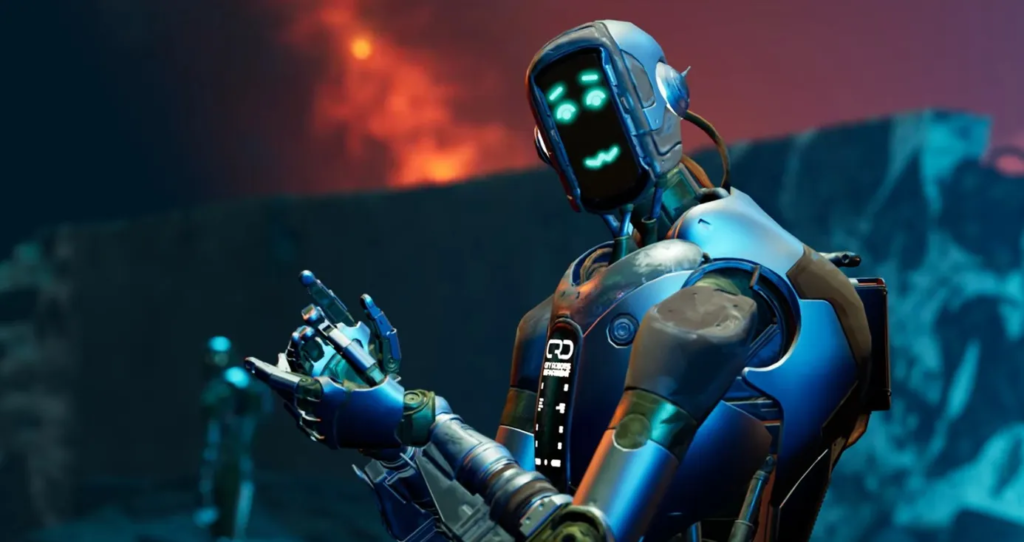
Non player characters have always been central to open world games. They fill streets, build atmosphere, give quests, sell items, and create the illusion of life. For decades they have been limited by scripts, routines, and shallow behavioural rules. In 2026 the industry is shifting. Dynamic NPC intelligence is becoming a major frontier in game development. Studios now aim to create worlds where NPCs remember player actions, form opinions, react organically, and live independent simulated lives.
As developers push for deeper immersion, AI driven characters are becoming more important than graphical upgrades. Games are already visually polished on modern hardware. What players want next is believable behaviour. Genuine personality. Systems that surprise rather than repeat. The future of open world design rests on how far NPC intelligence can evolve.
The limitations of traditional NPC behaviour
Classic open world AI follows predictable patterns. NPCs walk pre assigned routes, comment in loops, fight using small sets of animations, and forget events within seconds. Players often learn these patterns quickly. The illusion of life then collapses. Scripted dialogue trees and trigger based reactions limit emotional depth. Even impressive modern titles still rely heavily on static behaviour and fixed responses.
The main issue is scale. Large open worlds contain thousands of NPCs. Developers prioritise stability and performance over complex decision making. As a result, most NPCs exist purely for atmosphere rather than meaningful interaction. This approach has reached its limit. Players now expect richer social systems and more believable reactions.
How AI is reshaping NPC design in 2026
Several breakthroughs in 2026 are redefining how NPCs behave. Games now use machine learning guidance, goal based planning, emotion models, and lightweight reasoning systems. These tools allow NPCs to adapt rather than follow rigid scripts. Instead of walking a single route, they can choose and modify routines based on time, relationships, and global events.
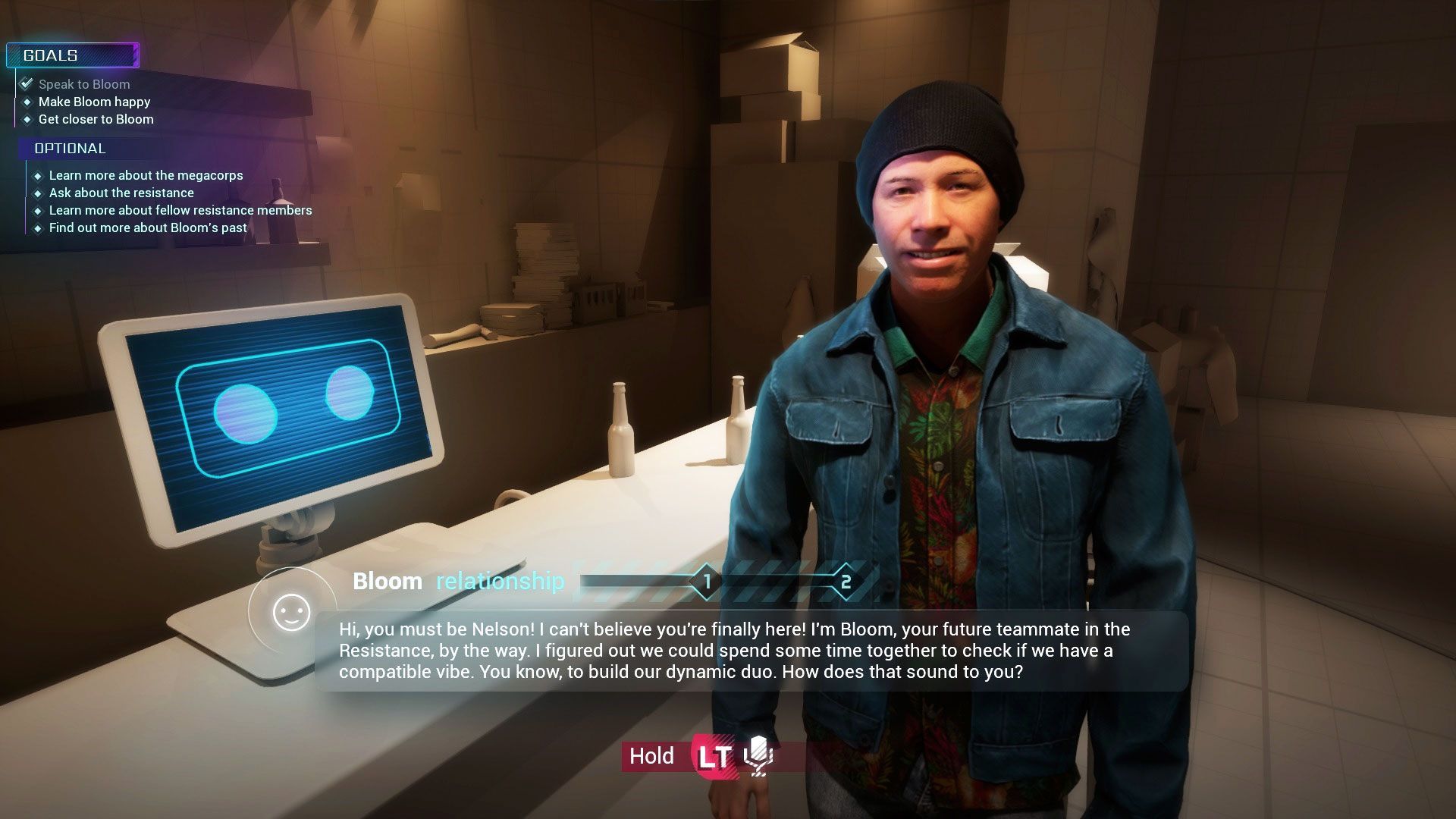
Modern NPCs can track player reputation, remember specific actions, and react according to personality traits. They can refuse help, escalate conflicts, form alliances, or become recurring characters without being explicitly scripted to do so. Developers are blending procedural systems with handcrafted storytelling to maintain control while unlocking dynamic possibilities.
Emergent storytelling and player shaped worlds
The rise of dynamic NPC behaviour enables new forms of storytelling. Instead of relying entirely on authored quests, open world games can generate personal narratives shaped by relationships and social outcomes. A villager rescued from danger might relocate to a safer district, spread rumours about the player, or become an ally in a later mission. A merchant cheated by the player might raise prices or warn others.
These micro stories accumulate and transform the broader world. Every player can experience different events based on their interactions. The goal is not randomness. It is personalised progression that feels coherent without requiring thousands of bespoke missions.
Emotion, memory, and long term consequence systems
Developers are experimenting with emotional state machines that evolve over time. NPCs may experience fear, gratitude, resentment, or admiration. These emotions influence decisions in combat, exploration, and dialogue. Memory systems store player actions and contextual details. This allows NPCs to reference past events naturally rather than responding with scripted lines.
Long term consequence systems tie these elements together. Tracked relationships alter faction dynamics, political outcomes, and world stability. Players cannot simply reset an encounter. Their past actions shape the behaviour of individuals, groups, and entire regions.
Procedural social ecosystems
A major frontier in 2026 is the development of social ecosystems. NPCs form networks that influence each other. When an important character changes behaviour, others may respond in chain reactions. This grants worlds a sense of internal logic. Cities feel alive because NPCs talk, trade, argue, celebrate, and mourn based on systemic rules rather than fixed scenes.
These ecosystems allow unexpected situations to occur. Factions may rise or collapse. Rivalries may spark events. Civilians may coordinate to resist threats. These outcomes enrich replayability and create memorable stories without relying on predetermined content.
Balancing dynamic NPCs with authored storytelling
Studios must balance freedom with structure. Purely procedural NPC behaviour can undermine narrative quality. Fully scripted NPCs can feel restrictive. The most effective approach combines systems and authored design. Developers create strong characters, emotional arcs, and main story beats, then use AI systems to fill the world with believable behaviour that supports these narratives.
This hybrid model ensures the script remains coherent while the world feels dynamic. Key story characters maintain defined personalities and arcs, while secondary characters gain freedom to respond in lifelike ways.
Ethical and design challenges
Richer NPC behaviour raises new challenges. Developers must prevent hostile dialogue, inappropriate interactions, or unpredictable behaviour that disrupts story tone. They must ensure NPCs behave consistently, avoid overwhelming players with complexity, and maintain performance across massive maps.
Studios are also developing ethical frameworks to manage AI dialogue and emotional manipulation. NPCs need depth without crossing into uncomfortable or exploitative interactions.
The next decade of NPC AI
The next decade will push NPC intelligence even further. Worlds will become socially reactive. Characters will age, relocate, form relationships, and change careers. Cities will evolve economically and politically based on events that players influence. NPCs could generate entirely new quests rooted in needs and opportunities rather than developer scripts.
The result will be open world games that feel less like static stages and more like living societies. Storytelling will become more personal, choices will matter for longer, and replayability will expand dramatically. AI driven NPC design will become one of the most important pillars of next generation game development.
Conclusion
NPC AI is no longer background detail. In 2026 it is the key to the future of open world experiences. As developers refine emotion models, planning systems, memory structures, and social ecosystems, games will become richer and more immersive. The next wave of open world titles will not simply look better. They will think better. They will react better. They will feel alive.
Frequently Asked Questions
What makes NPC AI important in 2026 game design?
Modern players expect worlds that react meaningfully. NPC AI drives immersion, consequence, and emergent storytelling.
How are developers improving NPC behaviour?
Studios use goal driven planning, learning assisted systems, memory models, and emotional state machines to create dynamic interactions.
Will future NPCs generate their own quests?
Yes. Procedural need based quest generation is becoming more common and will expand significantly in the next decade.
Are dynamic NPC systems difficult to balance?
Yes. Developers must maintain narrative consistency, ethical behaviour, and performance while still delivering freedom and depth.

Hi, I’m Luke. I write and edit for GameDayRoundup, covering everything from football stories to gaming and esports news. I enjoy digging into the details behind each topic so readers get something clear, honest and interesting every time they land on the site. I spend most of my time researching new stories, planning fresh ideas and making sure our content feels real and enjoyable to read.