
As football fans, we live and die by our club allegiances. We chant, we cheer, and sometimes we curse the very teams we see every week on the pitch. But in the modern era of Fantasy Premier League (FPL), something strange is happening. Since I started playing, I’ve noticed a subtle, and sometimes unsettling, shift in how I view rival teams. Players I once rooted against, I now secretly hope will score goals. It’s a feeling that flies in the face of years of tribal loyalty, leaving me almost feeling “dirty” for wanting Manchester City or Liverpool to shine, because my points demand it.
The Uncanny Effect of FPL on Fan Bias
Fantasy Premier League isn’t just a game, it’s a lens that reframes the Premier League itself. In traditional fandom, your team’s success often coincides with your happiness. Win, and you celebrate, lose, and you despair. But FPL forces a more nuanced, sometimes contradictory mindset. Suddenly, a striker from your hated rival can become a crucial asset. Your points tally doesn’t care about decades of rivalry, nor does it understand the emotional pain of seeing your club concede a late goal. All that matters is goals, assists, clean sheets, and bonus points.
Take, for instance, my own experience. I’ve been a lifelong Manchester United fan. For years, Liverpool’s victories were my misery. But during the FPL season, a hat-trick from Salah, while absolutely crushing United on the pitch, also felt oddly gratifying. I earned a whopping 24 points in a single gameweek. It was exhilarating, yet it felt wrong. The very act of benefiting from a rival’s success clashed violently with my deeply ingrained footballing loyalties.
The Case for Reduced Bias
This tension hints at a broader psychological shift. FPL encourages what psychologists call “situational empathy,” where your emotional response becomes contingent on context rather than rigid allegiance. Instead of hating a team outright, you begin to appreciate their players’ skill, their ability to score, and their potential to boost your fantasy points. In essence, FPL forces you to see rival teams in a less emotionally charged way,
The potential benefits of this reduced bias are fascinating. For one, it could foster a more nuanced understanding of football. Watching a rival team’s tactics and individual brilliance can deepen your appreciation for the sport itself. Rather than only seeing opponents as enemies, FPL reframes them as contributors to the broader game. It can even make watching football more enjoyable, each goal, whether for or against your club, carrying a personal stake beyond tribal loyalty.
Moreover, this effect can ripple into real-world interactions. I’ve found myself chatting with friends who support other clubs about players I might have previously dismissed out of habit. Discussions that once revolved solely around hatred now contain strategic debates about which striker offers the best value in FPL. Rivalries don’t disappear entirely, but they are softened, replaced by a sort of competitive mutual respect.
The Counterpoint: The Guilt of “Dirty” Enjoyment
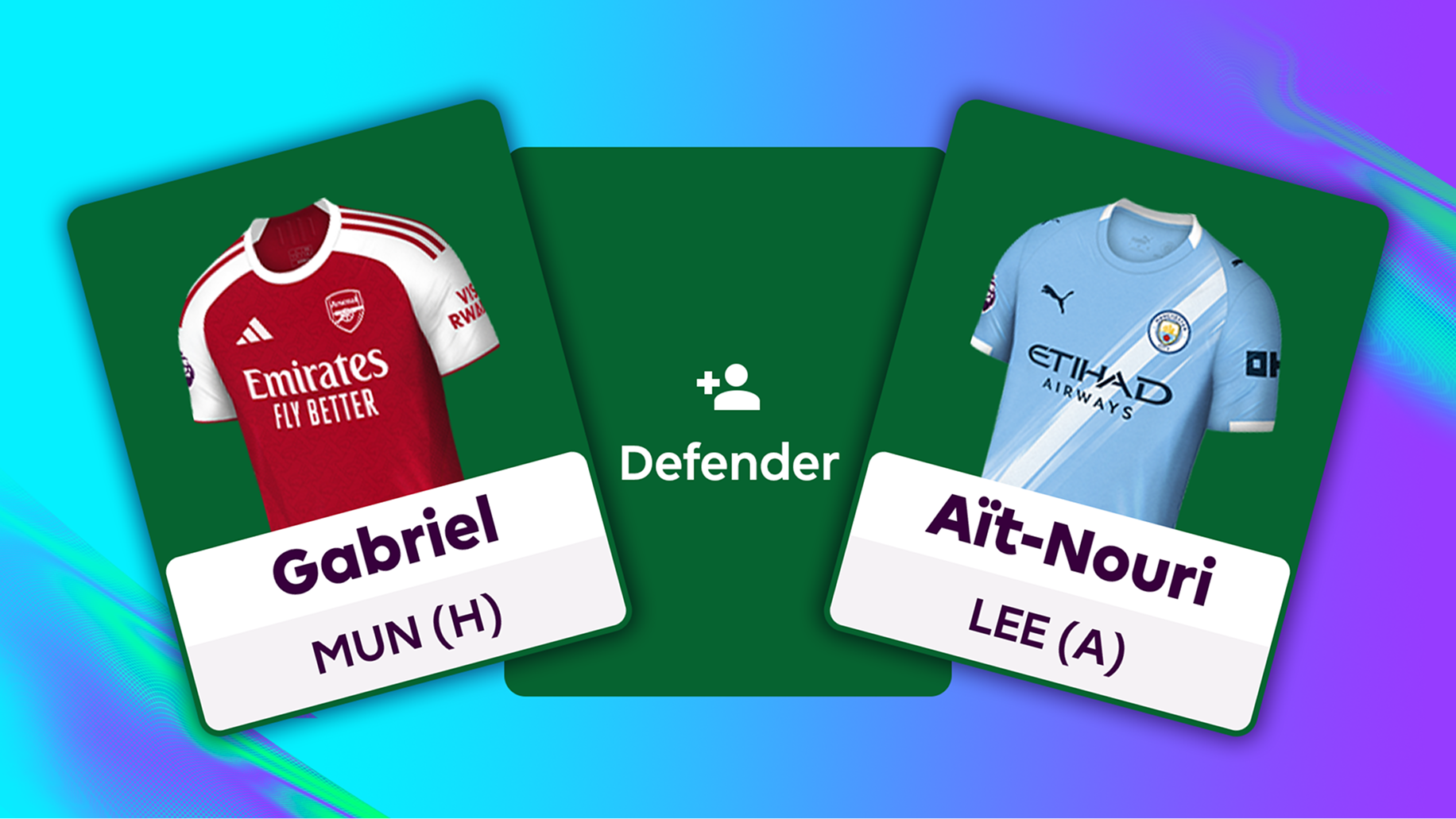
However, this psychological shift comes with complications. The very act of benefiting from a rival’s success can create feelings of cognitive dissonance, a mental discomfort when two beliefs clash. I love Manchester United, yet I find joy in Liverpool or Chelsea scoring. I root for success that, in traditional fandom, should fill me with anger. This is not just a minor quirk, for some fans, it can feel morally or emotionally compromising.
This inner conflict can manifest in strange ways. Some players report cheering quietly when rival players score in matches where their own team is losing. Others experience guilt when their FPL points surge thanks to a player who just humiliated their club. There’s even a risk that the purity of fandom, the unfiltered tribal loyalty that defines decades of football culture, gets diluted.
In extreme cases, FPL might even incentivize a kind of “schadenfreude management,” where fans find themselves hoping for balanced outcomes, their team losing minimally, while rivals score just enough for fantasy points. It’s a surreal mindset, almost like playing two games simultaneously, one in the league table and one in your FPL scoreboard.
Reconciling the Two Sides
The tug-of-war between loyalty and strategy raises an intriguing question, does FPL really make fans less biased, or does it simply create a more complicated form of fandom? I’d argue it’s both. On one hand, you develop a grudging appreciation for rival players and their achievements. On the other, your original biases don’t vanish, they’re just overlaid with a new, pragmatic lens.
Recognizing this duality is key to enjoying FPL without feeling morally compromised. Accept that it’s possible to hate a team while still admiring individual players. It’s okay to root for a goal that damages your club’s league position if it benefits your fantasy team. By reframing your emotional expectations, FPL can become less about guilt and more about nuanced engagement with football.
Ultimately, FPL can be seen as a bridge between pure fandom and game theory. It transforms spectatorship from a zero-sum emotional battle into a layered experience where success, skill, and strategy coexist. This doesn’t erase rivalry, it enriches it.
Conclusion
Fantasy Premier League doesn’t make football fans unfaithful, it makes them multifaceted. The tension between rooting for your club and benefiting from rivals creates a unique, sometimes uncomfortable psychological landscape. For some, it’s a revelation, a chance to appreciate football beyond tribal allegiances. For others, it’s a moral conundrum, a reminder that points on a screen can clash with decades of loyalty.
In the end, FPL challenges what it means to be a fan. It asks us to question, can you love your club and simultaneously cheer for the opposition? Can enjoyment and loyalty coexist in contradiction? Perhaps the real skill isn’t just picking the right captain, it’s navigating the curious, messy, and surprisingly human landscape of bias, strategy, and football obsession.
Frequently Asked Questions
Does playing Fantasy Premier League change how you watch football?
Yes, FPL can alter your viewing habits by encouraging fans to track players and statistics beyond their own team. It adds layers of engagement, sometimes even making fans root for rival clubs to maximize points.
Can FPL reduce tribal bias in football fandom?
To some extent, yes. FPL encourages situational empathy, making fans appreciate rival players’ skill. However, traditional loyalty often persists, creating a nuanced, dual-layered fandom.
Is it normal to feel guilty about benefiting from a rival team’s success?
Absolutely. Many FPL players experience cognitive dissonance when their points increase due to rival players’ achievements. Recognizing this tension is part of the game’s unique psychological effect.

Hi, I’m Adam and I cover a mix of football, gaming and general sports stories for GameDayRoundup. I like writing in a way that keeps things simple, direct and enjoyable for everyone, whether you follow the sport every day or just check in now and again. I always try to bring a bit of personality to the articles I work on, along with careful editing to make sure everything is accurate and easy to understand.