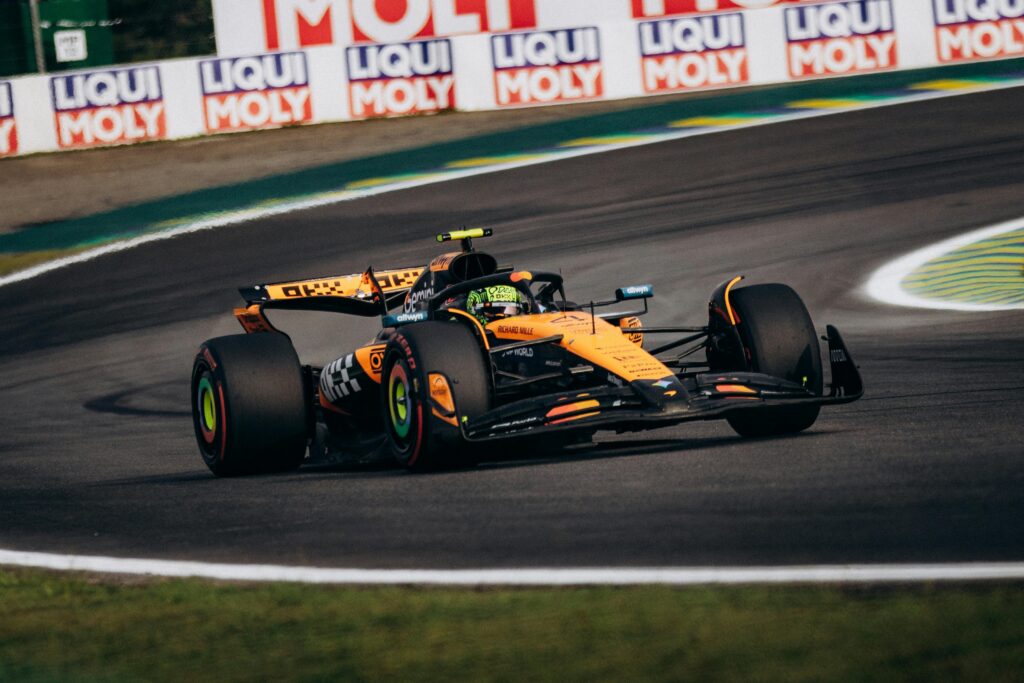
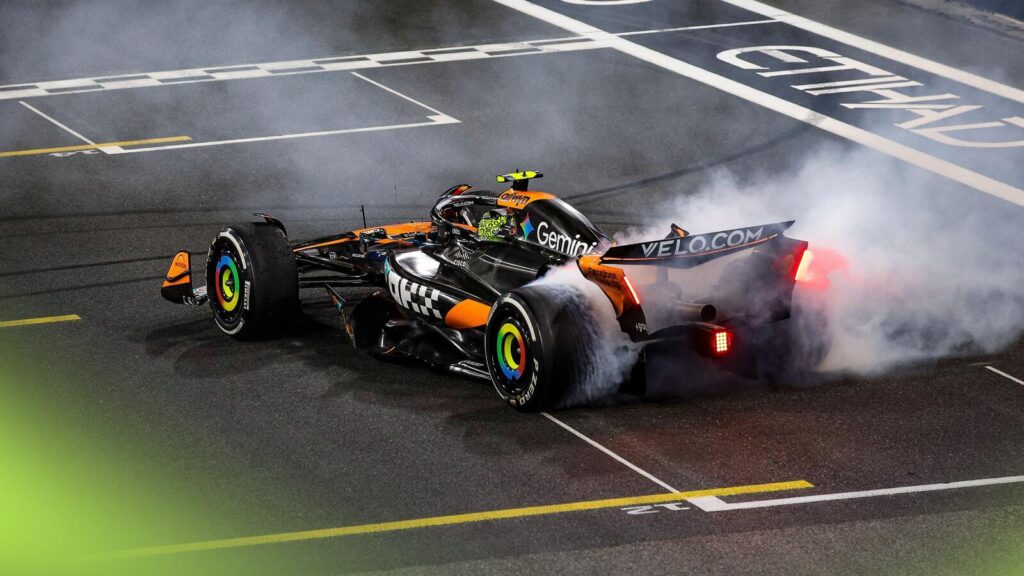
As the dust settles on the 2025 Formula 1 season, fans are already turning their attention to 2026, a year promising the boldest transformation in racing in over a decade. With the FIA’s late November 2025 rule confirmations, the grid is about to face sweeping changes with new hybrid engines, active aerodynamics replacing the traditional DRS system, and the introduction of 100 percent sustainable fuel. This is not just evolution; it is a complete reset of the sport’s DNA designed to deliver faster, fairer, and more adrenaline-fueled races from the opening lap in Melbourne to the final showdown in Abu Dhabi.
F1 2026 Cars: Smaller, Lighter, and Sharper
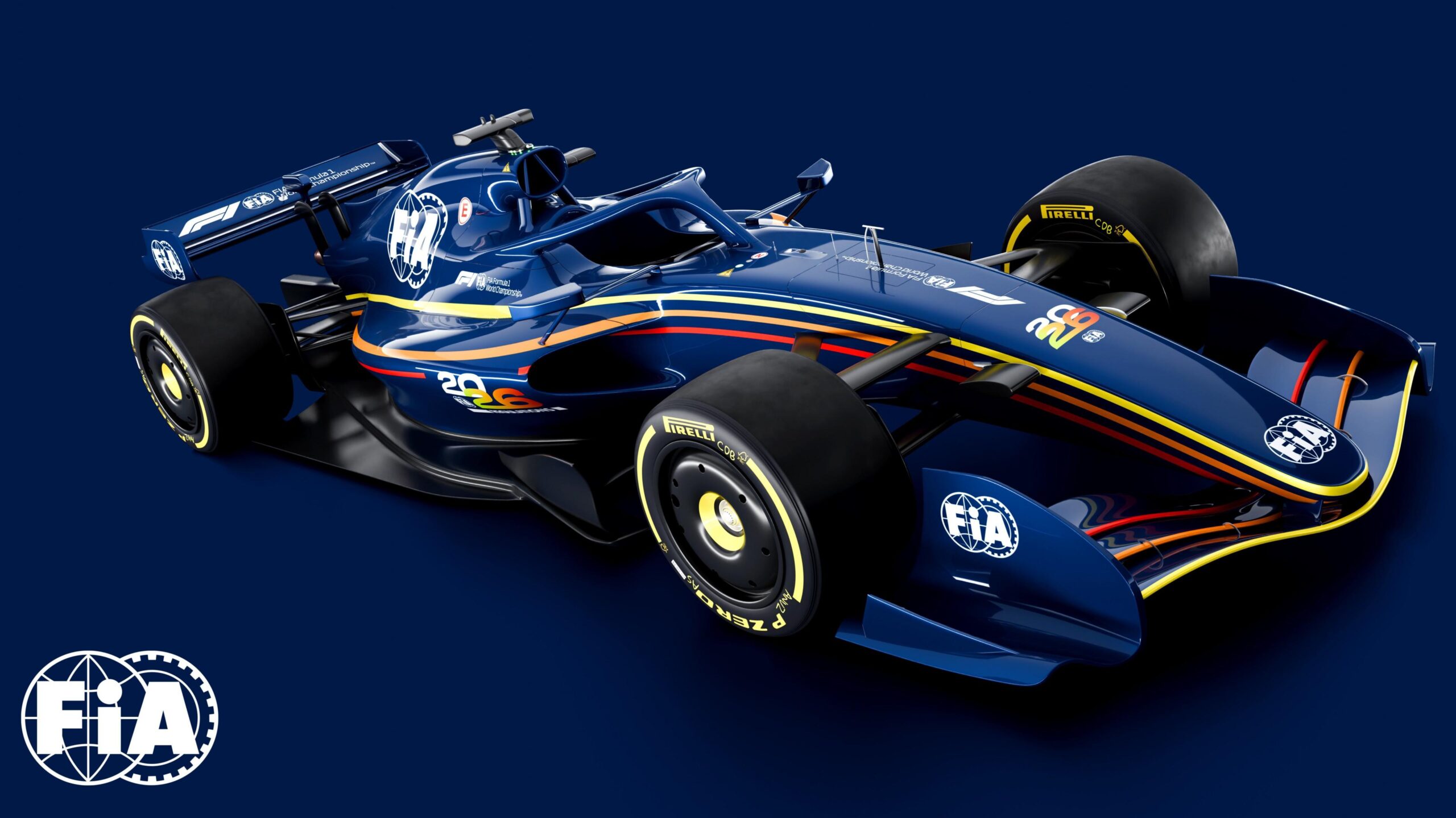
The cars themselves are shrinking and slimming down to encourage wheel-to-wheel duels. The 2026 F1 machines will be 20 centimeters shorter and 10 centimeters narrower than their 2025 counterparts, with a trimmed wheelbase of 3.4 meters and a reduced weight of 768 kilograms. These changes are expected to make following another car far less of an aerodynamic nightmare while allowing drivers to take corners with unprecedented precision. Pirelli’s new tire compounds will require smarter tire management. The 18 inch rims remain, but the front tires are 2.5 centimeters slimmer and the rear tires 3 centimeters slimmer than before. These modifications promise more dynamic racing and higher overtaking potential.
Adding 100 percent sustainable fuel designed for F1’s net zero carbon goal by 2030 will introduce another variable. Teams will need to balance power output, heat management, and energy recovery with new strategies for qualifying and race day performance. Analysts predict that overtakes could increase by as much as 20 percent in mid-field battles, making races more unpredictable and exciting for fans.
Power in Balance: 50 50 Hybrid Engines
The engine formula is staying with the familiar 1.6 liter V6 turbo, but the hybrid setup is changing dramatically. A 50 50 split between electric and combustion power triples electrical output from 2025 levels. The removal of the MGU H energy recovery unit hands teams complete control over energy deployment, regeneration, and heat management. Drivers will need to manage their energy precisely, using lift and coast techniques to harvest battery power or unleash boosts for overtakes. Early reliability challenges are expected to create disparities that could reshape podiums and upset championship predictions.
New engine suppliers will add to the intrigue. Honda will fully power Aston Martin, Audi will enter via Sauber, and Red Bull will debut its homegrown powertrain with Ford. Mercedes will continue supplying McLaren and its own team, while Ferrari maintains its own engines. This blend of continuity and innovation will create a high stakes technical arms race that could redefine competition for years to come.
You May Also Like Our Article On Why F1 Drivers Lose So Much Weight During a Race
Active Aerodynamics Replace DRS
The drag reduction system will be replaced by manual active aero modes, giving drivers control over downforce and drag in real time. Z Mode locks the wings for maximum cornering grip and X Mode opens them to slash drag on straights. Drivers will have to carefully plan boosts around battery levels and track position. This new system is expected to encourage overtakes in corners and zones previously untouched, turning every lap into a strategic battle of wits.
Drivers like George Russell have already highlighted the potential for dramatic battles in corners and braking zones where overtakes were previously rare. These changes are expected to test driver skill like never before, creating high tension and excitement for fans throughout each race weekend.
Budget Cap Increase and Human Skill
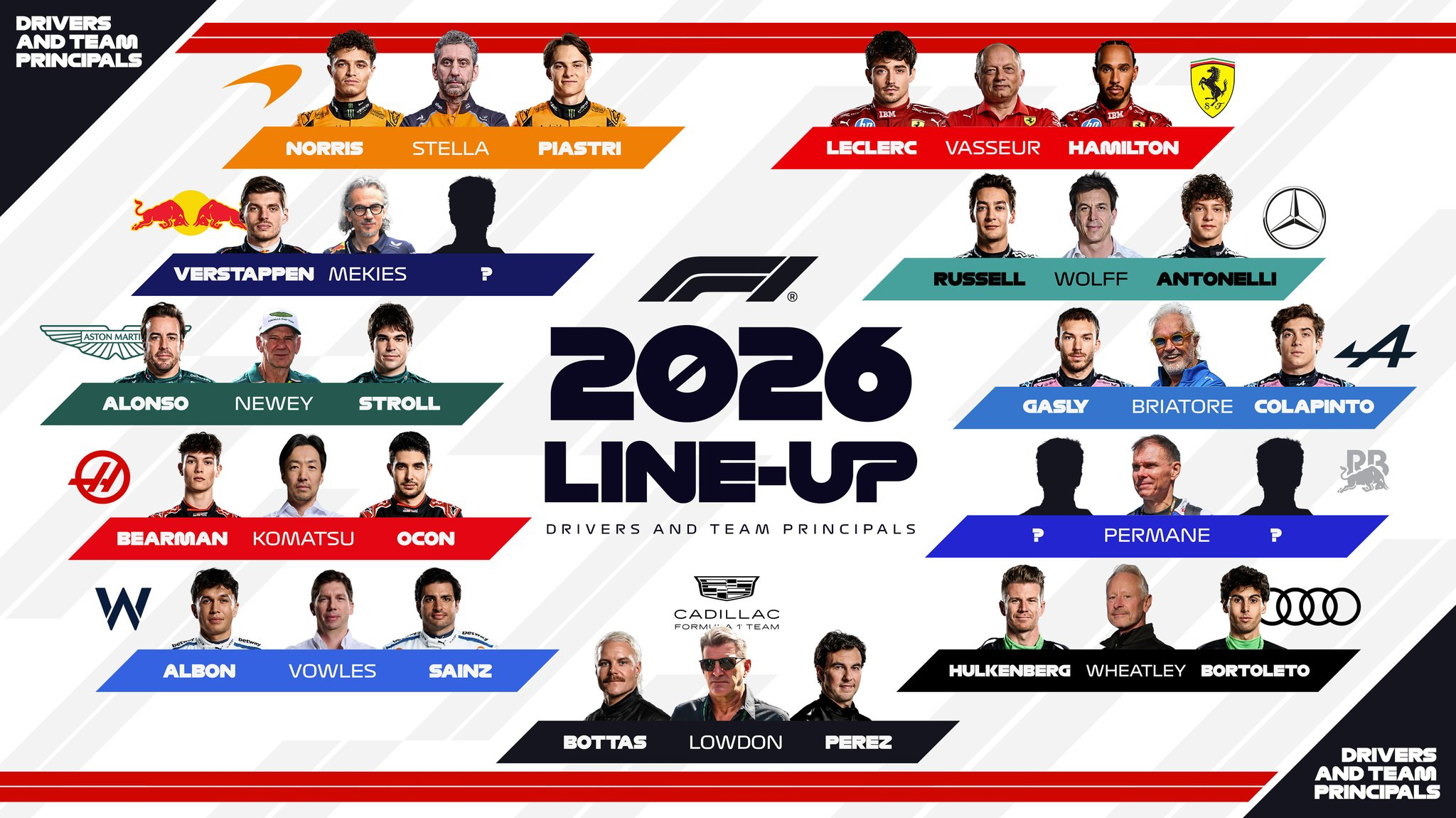
With the radical redesign, the FIA has increased the budget cap to $215 million for 2026 to accommodate new technologies, inflation, and higher salaries. Teams will have to be more creative than ever to maximize performance while staying within financial limits. Team principals such as James Vowles and Fred Vasseur have emphasized that adaptability, strategy, and resource management will be as crucial as raw driving talent.
Cadillac’s partnership with Ferrari, the arrival of Audi, and engine realignments will add layers of unpredictability. Fans can expect fresh rivalries, surprise podiums, and rookie drivers challenging established stars. The human element remains central as teams navigate the technical revolution while drivers execute split second decisions on energy deployment, braking, and overtakes.
What Fans Can Expect
The 2026 season promises a grid filled with uncertainty and high stakes from race one. Faster, lighter cars with smarter hybrid engines, active aerodynamics, and sustainable fuel will create more wheel-to-wheel battles and strategic depth than ever before. Teams and drivers will need every ounce of skill to succeed while fans enjoy more dynamic overtakes, unpredictable race results, and dramatic championship battles.
Early projections suggest lap times may be slightly slower due to energy balancing, but closer racing and better tire management will keep the action thrilling. The combination of technical innovation, driver skill, and tactical decisions promises a season that will be remembered as one of Formula 1’s boldest chapters.
F1 2026 is more than a new season; it is a radical leap into the future of racing, where every corner, every lap, and every strategic call could decide glory or heartbreak. Fans should buckle up for the most exciting, unpredictable, and electrifying Formula 1 season in decades.
Frequently Asked Questions
How will the 50/50 hybrid engines affect overtaking and race strategy in F1 2026?
Explains how the new engine format changes energy management, boosts, and tactical decisions during races.
What is the impact of removing DRS and introducing active aerodynamics on F1 racing?
Addresses fan curiosity about overtaking, close battles, and how driver skill becomes more critical.
Which new teams and engine suppliers could shake up the F1 2026 grid?
Provides insights on Audi, Cadillac, Honda, and Red Bull-Ford, and their potential to disrupt traditional team hierarchies.

Hi, I’m Adam and I cover a mix of football, gaming and general sports stories for GameDayRoundup. I like writing in a way that keeps things simple, direct and enjoyable for everyone, whether you follow the sport every day or just check in now and again. I always try to bring a bit of personality to the articles I work on, along with careful editing to make sure everything is accurate and easy to understand.