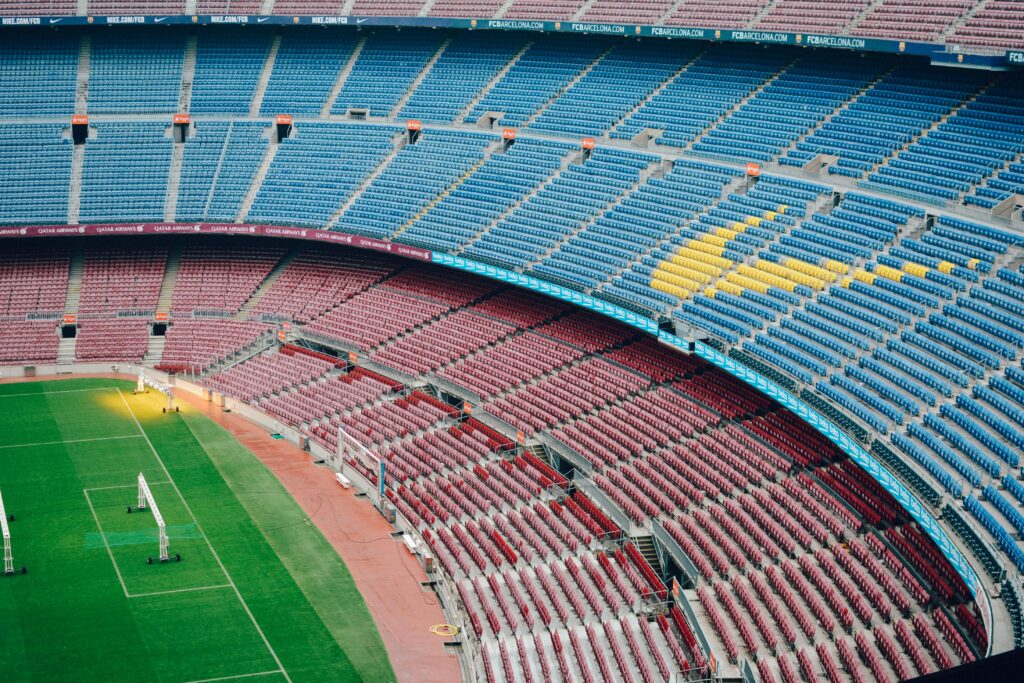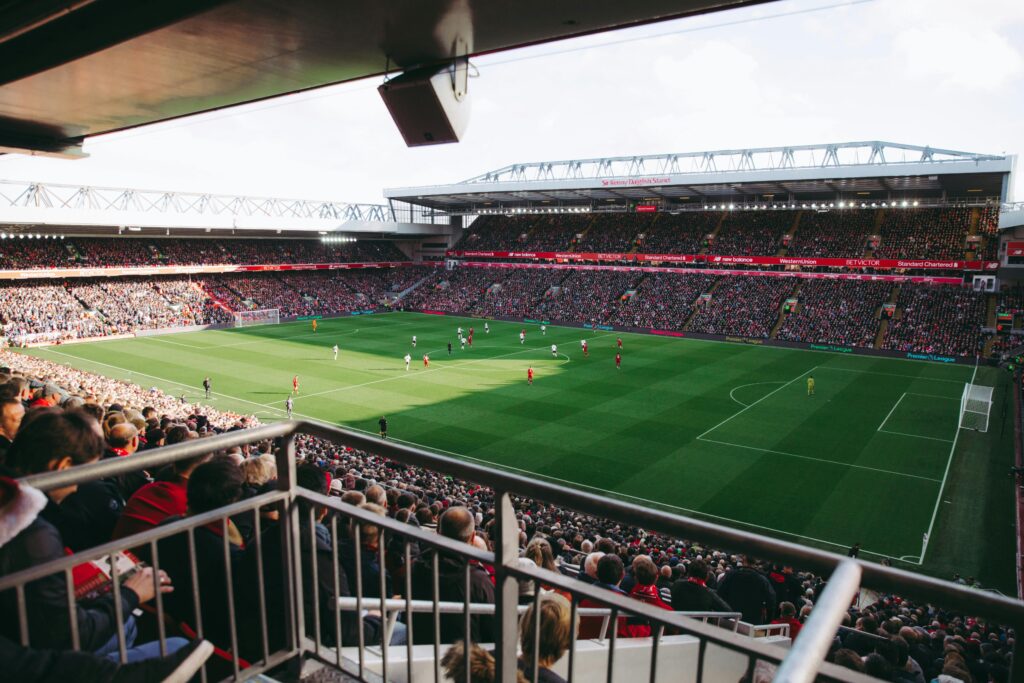

Football used to belong to the terraces. To the cold nights, the muddy pitches, the cracked radios in kitchens and the long walks home after a loss. It belonged to people who loved it even when it broke their hearts.
Today, a new crowd has taken over the conversation. Content creators. Influencers. Reaction streamers. Viral tacticians. Some of them genuinely love the game. Many do not. And in the race for clicks, views and brand deals, something fragile is being bent out of shape.
This is not an attack on creativity or modern media. Football has always evolved. But when the loudest voices are rewarded for outrage, misinformation and spectacle over substance, the culture around the sport starts to feel thinner. More performative. Less real.
When the Algorithm Became the Manager
Football conversations once happened in pubs, stands and schoolyards. Now they happen on timelines. What wins attention is not accuracy or context, but emotion. Anger spreads faster than insight. Certainty beats nuance.
Content platforms reward what keeps people scrolling. That means extreme opinions, instant judgments and simplified narratives. A manager is either a genius or a fraud. A player is either world class or finished. There is no middle ground because the middle does not go viral.
Real football is complex. Tactics shift by the minute. Decisions are shaped by injuries, finances, youth development and politics. Yet the most visible creators flatten all of that into hot takes designed to provoke replies rather than understanding.
Clips Over Context
A 20 second clip of a mistake now defines a season. A still frame becomes proof of bias. A single stat without context is presented as gospel. Long-form analysis rarely competes with the thrill of instant judgment.
This culture does not just misinform casual fans. It reshapes how we talk about players as people. A young defender who makes an error becomes a meme. A goalkeeper who slips once is “exposed.” The human cost is real. Online abuse, anxiety and a fear of risk creep into performances.
From Supporters to Spectators
There is a subtle shift happening. Fans are becoming audiences. Matches are no longer experienced, they are consumed. Instead of singing through ninety minutes, many watch through a phone, waiting for the clip they can share.
Creators shape what matters. A tactical foul that goes unnoticed on the pitch can become a trending scandal. A refereeing decision is declared “rigged” before the Laws are even referenced. This is not accountability. It is theatre.
Even competitions feel reframed. League narratives are built around personalities rather than footballing identity. The Premier League promotes global storytelling, but when creators turn every week into a culture war, the sport itself becomes secondary.
Commercial Football Meets Creator Culture
To be fair, football opened the door. Clubs court influencers. Leagues chase engagement metrics. Sponsors want reach. The game is now a content ecosystem, not just a competition.
Official bodies such as UEFA and FIFA invest heavily in digital storytelling to grow the sport worldwide. That is not inherently bad. Access has never been broader. Fans from every corner of the world can follow their team in real time.
The problem is what kind of stories rise to the top. Educational breakdowns and thoughtful commentary exist, but they are often drowned out by creators who understand that controversy converts. Football becomes a backdrop for personal brands rather than a shared cultural experience.
The Loss of Local Identity
Football has always been about place. About cities, accents, rivalries and history. Online creator culture often strips that away. A derby becomes a global meme. A club’s century of identity is reduced to a badge and a slogan.
Local supporters feel it. Their traditions are repackaged for an audience that may never set foot in the stadium. Songs are turned into sound bites. Rivalries into reaction content. What was once intimate becomes transactional.
This does not mean global fandom is wrong. It means something is lost when football is experienced only through highlights and influencers rather than community and continuity.
What Creators Get Right
It would be dishonest to pretend all creators are damaging the game. Many educate new fans. Some break down tactics with clarity that mainstream broadcasts rarely attempt. Others give platforms to women’s football, lower leagues and underreported stories.
They democratise conversation. A teenager with insight can reach millions without a press pass. That is powerful. Football should not belong only to pundits and former professionals.
The issue is not creators. It is incentives. When the system rewards provocation over precision, even well intentioned voices are nudged toward extremes.
Reclaiming the Conversation
Football does not need less online presence. It needs better standards. Fans can choose who they amplify. Creators can choose depth over drama. Clubs and leagues can prioritise education and authenticity over empty virality.
Support the analysts who explain rather than inflame. Share the stories that honour the game’s human side. Question narratives that feel too neat, too angry, too absolute.
Football has survived television, commercialisation and globalisation. It can survive creator culture too. But only if we remember that the sport is not content. It is connection.
At its best, football is messy, emotional and communal. It is ninety minutes of shared tension and release. It is not a clip. It is not a brand. It is ours, if we choose to treat it that way.
Frequently Asked Questions
Are content creators really harming football?
Not inherently. Many educate and inspire. The harm comes from a system that rewards outrage, oversimplification and misinformation over thoughtful analysis.
Why does online football discourse feel so toxic?
Algorithms promote content that triggers emotion. Extreme opinions and controversy travel faster than balanced discussion, shaping how fans talk about the game.
Can football culture be reclaimed?
Yes. By supporting creators who value depth, challenging misleading narratives and reconnecting with the sport at community and matchday level.

Hi, I’m Jacob. I write and edit for GameDayRoundup with a focus on football news, gaming culture and the growing world of esports. I enjoy breaking down big stories into something that feels approachable and fun to read. I’m always looking for new topics, new angles and new ways to keep our readers informed without overcomplicating anything. Writing for this site lets me share the things I follow every day and I love being part of the team.