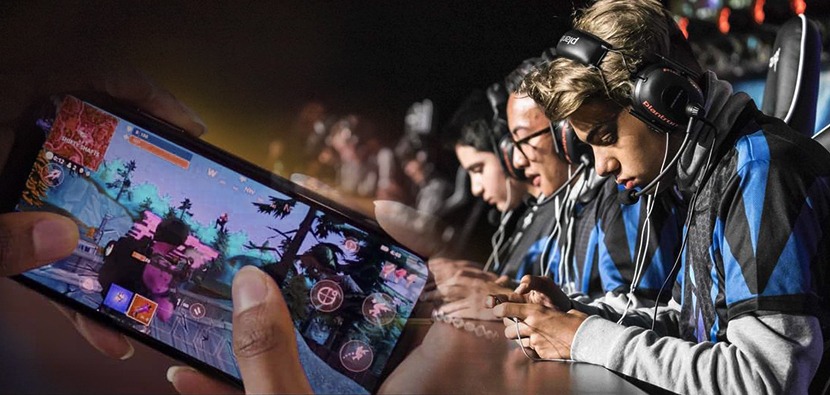

Esports has grown from a niche hobby to a global industry with career paths that are as diverse as traditional sports. Today the sector spans competitive play, event production, broadcasting, journalism, marketing, talent management, and performance science. Many people want to break into esports, but the truth is that most do not know where to start. The following guide explores the most realistic entry routes, what skills matter, and how beginners can position themselves for long term success in a competitive field.
Understanding How the Esports Industry Works
Before taking your first step, it helps to understand the structure of esports. The industry is built around key pillars that include game publishers, tournament organisers, teams, broadcast partners, and commercial sponsors. Each part plays a different role, which means the required skill sets vary widely depending on the job you want. Developers such as Riot Games and Valve provide the ecosystems that competitive scenes are built on. Tournament operators like ESL or PGL deliver events, while organisations invest in talent and compete across multiple titles.
Knowing where you naturally fit within this structure helps you map out a direction. Even if you begin with no connections or experience, a clear understanding of the industry gives you an advantage when speaking to recruiters or applying for internships.

Choosing the Right Path in Esports
One of the biggest misconceptions is that esports careers only involve playing games. Competitive athletes represent only a small fraction of the workforce. The majority of jobs support the ecosystem and are just as essential. Your first step is to identify which skill set aligns with the role you want. Below are the main categories to consider.
Competitive Player: Requires exceptional mechanics, discipline, and mental resilience. Players often begin by grinding ranked ladders, joining amateur leagues, and competing in open tournaments.
Production and Broadcast: Includes roles such as observer, producer, technical director, replay operator, camera operator, and sound mixer. If you enjoy storytelling and fast paced live environments, this side of esports may suit you.
On Air Talent: Hosts, analysts, commentators, interviewers, desk talent, and stage presenters. Confidence, clarity, and a strong understanding of the game are essential.
Marketing, Social Media, PR, and Creative: Many newcomers break into esports through content creation, community management, graphic design, or editorial work. These positions are often remote friendly and offer long term growth.
Team and Player Support: Coaches, analysts, managers, sports psychologists, and performance staff. These roles focus on building long term competitive success and require detailed game knowledge or professional qualifications.

Building Skills That Matter
Every esports career path requires a core set of transferable skills. Demonstrating these early can elevate you above other beginners.
Communication: Whether you are pitching ideas, leading players, or working behind the scenes, clear communication is essential. It makes collaboration easier and increases your effectiveness as a professional.
Adaptability: Esports moves quickly. New game patches, shifting metas, and industry trends require continuous learning. People who adapt well tend to build stronger, longer careers.
Problem Solving: Live events are unpredictable, and creative teams need staff who can think calmly under pressure. Showing initiative is a powerful way to stand out.
Professionalism: Many talented beginners fail to break into esports because they underestimate the importance of attitude and reliability. Being consistent and meeting deadlines goes a long way when recruiters evaluate potential hires.

Beginner Friendly Ways to Get Experience
Most people struggle with esports because they wait for a perfect opportunity instead of creating small, valuable experiences that build momentum. Fortunately, there are several accessible ways to start immediately.
Join Amateur and University Leagues: These competitions teach teamwork, communication, leadership, and discipline. They also help you understand the emotional side of competition. University leagues linked to recognised bodies or official developer events connected to companies like PlayStation often provide clean entry points for beginners.
Volunteer at Local or Online Events: Entry level production staff, admins, runners, and moderation roles are always in demand. While unpaid, they offer real, resume ready experience.
Create Your Own Content: Starting a YouTube channel, running a stats blog, creating highlight reels, or analysing games helps you develop storytelling skills. Employers love candidates who show initiative rather than waiting for opportunities to appear.
Freelance in Creative Fields: Graphic designers, editors, and social media managers can build a portfolio by working with small teams or tournaments. These projects develop practical skills and demonstrate commitment to the sector.
Networking Without Feeling Overwhelmed
Networking is one of the most misunderstood parts of esports. Many beginners assume they need to be loud or outgoing, but the truth is that meaningful progress comes from consistent, professional interactions. You do not need a huge personality for people to notice your work. You need reliability and a willingness to learn. Share your projects on social platforms, join community servers, participate in forums, and connect with people who inspire you. Small steps eventually lead to bigger opportunities.

Applying for Your First Esports Job
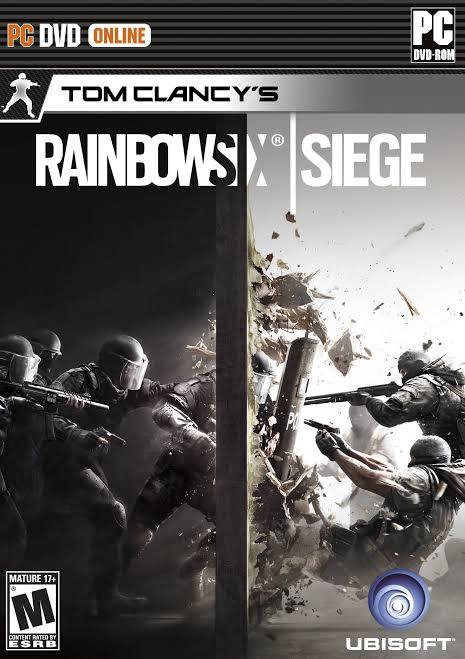
When you feel ready, begin applying for internships, part time roles, and junior positions. Tailor your resume for each application and emphasise measurable achievements. Recruiters pay more attention to portfolios than generic cover letters, so make sure your work is displayed clearly. Many companies also list open positions on their official sites, and publishers such as Ubisoft often promote junior roles suitable for beginners.
The key is consistency. Most people who succeed in esports are not the most talented, they are the most persistent. By learning continuously and putting your work in front of the right people, you position yourself for long term growth.
Conclusion
Esports careers are varied, challenging, and rewarding. The industry values passion, but it values professionalism even more. You do not need to be a world class player to build a future in gaming. What matters is your willingness to learn, adapt, and show initiative. If you combine your interests with a clear strategy, you can carve out a career that grows alongside one of the fastest evolving industries in modern entertainment.
Frequently Asked Questions
Do you need to be a professional player to work in esports?
No. Most esports careers are not player based. Production, marketing, coaching, operations, and content creation roles make up the majority of the workforce.
What is the easiest way for a beginner to get experience?
The most accessible paths include volunteering at online tournaments, creating content, managing community servers, or joining amateur leagues.
How long does it take to build an esports career?
The timeline varies by role. Some creatives find work within months, while competitive players often take years. Consistency matters more than speed.
Is esports a stable long term career?
The sector is still evolving, but many positions in production, content, marketing, and team operations offer long term growth when skills match industry needs.

Hi, I’m Luke. I write and edit for GameDayRoundup, covering everything from football stories to gaming and esports news. I enjoy digging into the details behind each topic so readers get something clear, honest and interesting every time they land on the site. I spend most of my time researching new stories, planning fresh ideas and making sure our content feels real and enjoyable to read.