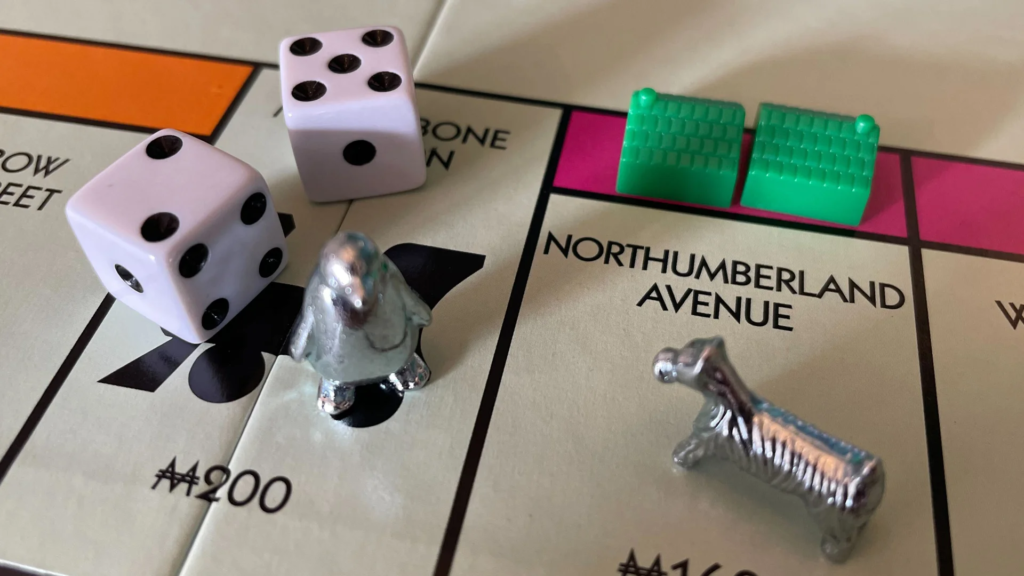
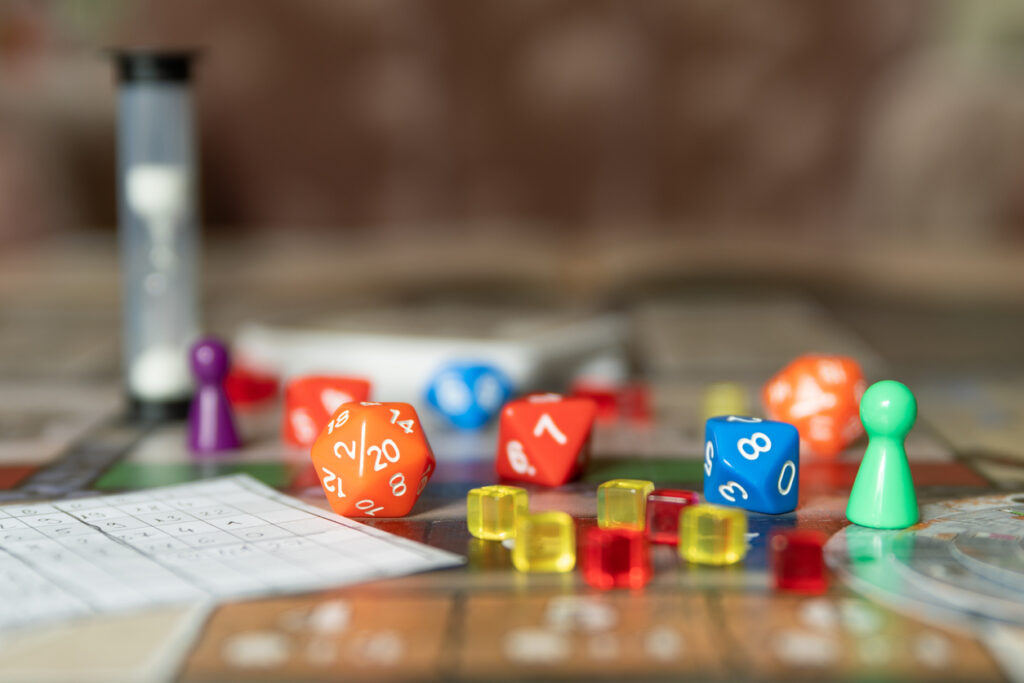
Something has quietly been happening in homes and cafes around the world: board games are not just holding steady — they are booming. After years of digital overload, people have turned back to analogue rituals, to rolling dice, placing meeples, and gathering around a table. In an era where people stare at their phones, TVs, or their tablets, it’s heartening to see board games making their resurgence; it’s reshaping how we spend time with friends, family, and even ourselves.
I was like many people about 5-10 years ago. I played board games when I was young, Monopoly, Frustration, Cluedo, maybe Risk if I could convince someone to waste an entire day. As I grew up, these were quickly replaced by video games, they were more addictive, easier to play with no set up and frankly, more interesting and more fun.
So, what brought me back? It was actually Dungeons and Dragons. I found myself watching some streamers I liked play Dungeons and Dragons back in 2015. I’d always heard about it, the king of the nerd games, but watching it, I loved it. Everyone was laughing, people were creating stupid characters and unleashing them on Dungeon Masters. So, I ended up convincing some friends to play, and we had an absolute blast. And it was here that one of my friends invited me over for a board game night. In my head, I thought this may end up being a boring night, instead I played games like Wingspan, Smallworld & Cascadia. I just asked myself why I’d missed out on these.
The Resurgence of Board Games
The numbers tell a compelling story. According to recent data, the global board game market was valued at around US$12.6 billion in 2022, with projections putting sales at $15.82 billion in 2025 to a projected $31.99 billion by 2032.
It’s not just the dollar values that are soaring — the variety of board games is exploding. In 2023, more than 2,500 new board game titles were released globally. That dizzying rate of innovation is fueled by a growing army of independent publishers, game designers, and Kickstarter-funded creators. I went to a board game expo in the UK in Birmingham last year, and it was packed with gamers, designers, countless games and chances to play. This boom is so good to see, but why is it happening?
Why the Big Boost After COVID
If there’s a single turning point behind this surge, it’s the collective disruption of the COVID-19 pandemic. Lockdowns and social distancing shrunk the world — but in that contraction, many rediscovered the joy of shared, in-person play.
A survey conducted by Merchoid in mid-2023 found that 37% of respondents played more tabletop games than before. That’s huge — and it reflects what many of us felt intuitively. Screen fatigue was real. After months online, people wanted to reconnect in a way that felt more human.
There’s academic support for this, too. Research shows that social play during the pandemic wasn’t just about fun — it became a critical channel for emotional connection. Board games gave people a reason to be physically together again, to laugh, strategize, and sometimes argue (in a good way).
The Rise of the “Kidults”
Part of what’s fueling the board game boom is a demographic shift: the “kidults.” These are adults who embrace childlike wonder without shame, who find joy in playful complexity, and who invest deeply in board game culture.
The average age of board game players now hovers around 30 years old. Many of these players grew up with classics like Monopoly or Clue, but now they’re drawn to ambitious, beautifully designed games like wingspan-themed engine-builders, narrative adventures, and strategy-heavy titles.
This isn’t escapism exactly — it’s intentional play. Kidults aren’t backing away from responsibility; they’re leaning into the social and mental benefits of analogue gameplay. It’s a way to unwind that feels restorative and meaningful.
More Than Just Nostalgia: Innovation Is Everywhere
Yes, part of the appeal is nostalgia. But what’s driving this moment is not simply a return to the past — it’s innovation. Designers are creating games with deeper themes, richer components, and more unique mechanics than ever before.
There are beautiful, eco-themed games. There are strategy games that feel like miniature economic simulations. There are solo experiences, cooperative adventures, and everything in between. In fact, 50% of board game sales in 2022 came from digital or app-based adaptations, showing how the physical and digital worlds are merging.
Social Spaces Are Back: Game Cafes and Beyond
It’s not just living rooms feeling the impact. Board game cafes — once niche — are thriving. These physical spaces are now meeting points for friends, families, and fellow hobbyists. They offer a way to experience games you might not yet own, while giving people a reason to gather, talk, and play.
That resurgence of shared space feels deeply human in a way that many of us have missed. There’s a quiet power in meeting someone face-to-face to negotiate alliances, trade cards, or celebrate a narrow, hard-won path to victory.
Why This Matters — Emotionally and Culturally
At its heart, the board game revival is about connection. It’s a rebellion against perpetual screen time, yes, but it’s also a celebration of presence. When you sit down to play a game, you’re committing to being in the moment with someone else.
For adults — especially those who grew up without a strong “game night” tradition — board games are a way to carve out intentional downtime. For families, they become multigenerational rituals, forging memories that don’t involve a device buzzing on a coffee table. For creatives and designers, they’re a space to innovate, express, and push boundaries.
Looking Ahead: What’s Next?
The board game industry looks poised to keep growing. Forecasts suggest healthy expansion, with growth driven by new, socially focused games, niche publishers, and the continued blending of physical and digital play. :contentReference[oaicite:9]{index=9}
We might also see more diversity in what “board game” means: more hybrid designs, more eco-minded production, more global voices. And as long as people crave connection, creativity, and something tactile and real — we’ll keep gathering around tables, rolling dice, and building worlds piece by piece.

Hi, I’m Jacob. I write and edit for GameDayRoundup with a focus on football news, gaming culture and the growing world of esports. I enjoy breaking down big stories into something that feels approachable and fun to read. I’m always looking for new topics, new angles and new ways to keep our readers informed without overcomplicating anything. Writing for this site lets me share the things I follow every day and I love being part of the team.