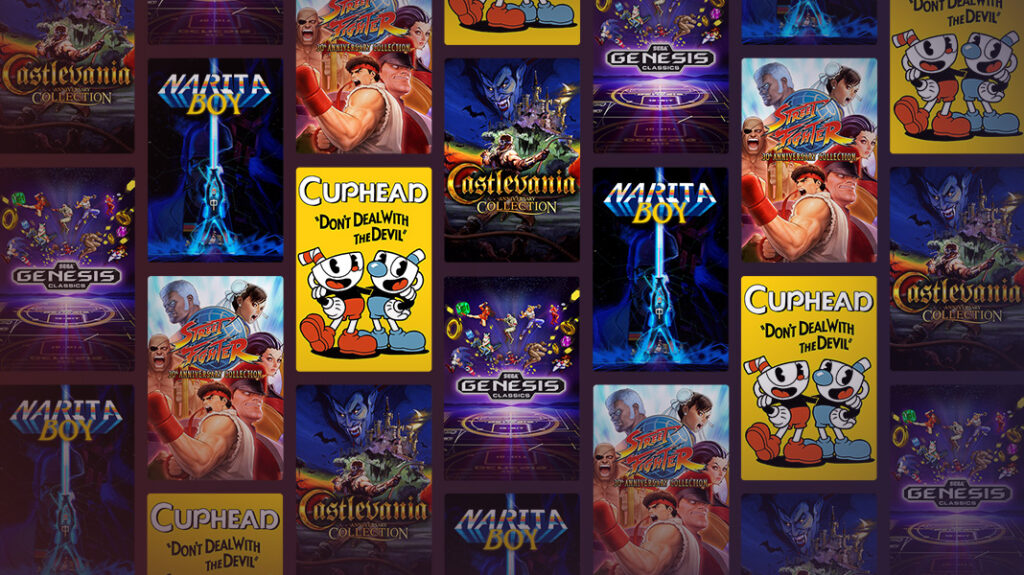
Something unexpected is happening across gaming in 2026. Players around the world are quietly turning away from new releases and diving back into their backlogs instead. Titles from five, ten, even fifteen years ago are seeing a second life, and gamers are openly choosing older experiences over fresh AAA launches. What looks at first like nostalgia is actually a much deeper shift in how people play, what they value, and why gaming culture is changing.
The idea of a never ending backlog has always been a bit of a running joke in the community. In 2026, it has become a movement. People are rediscovering the joy of playing at their own pace, finishing games they once abandoned, and returning to classics that feel richer and more satisfying than many new releases. The question is not just why this is happening but what it means for the future of the industry.
AAA fatigue and the decline of the blockbuster formula
For years, the AAA industry has relied heavily on cinematic trailers, massive budgets, and familiar formulas. But in 2026, cracks are showing. High profile titles have launched with performance issues, rushed endings, or forgettable gameplay loops that have left players feeling wary of spending seventy pounds on day one. The excitement that once surrounded big releases has softened, replaced by a growing desire for games that feel finished, stable, and meaningful.
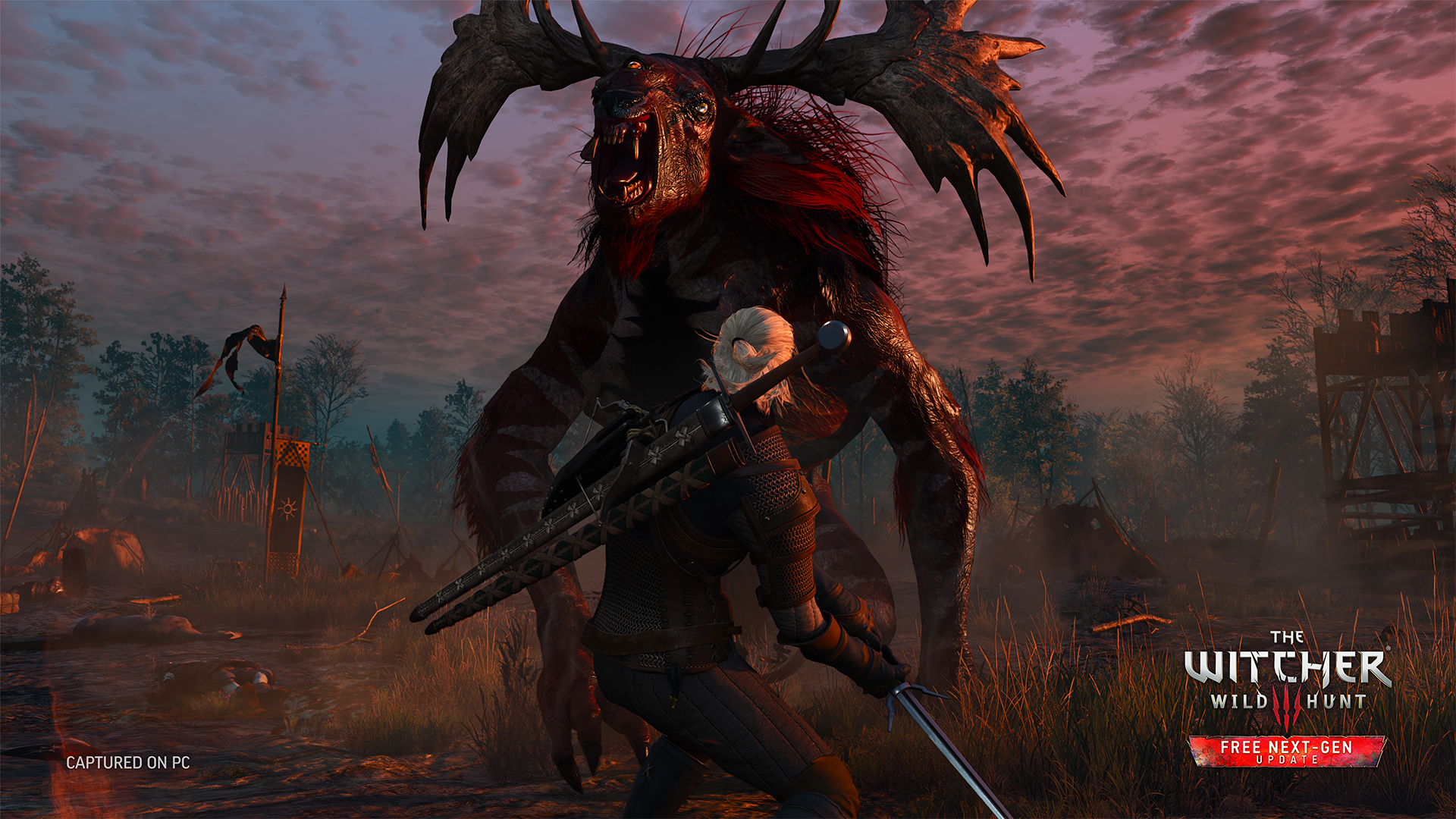
Older titles offer exactly that. Games like Cyberpunk 2077, Elden Ring, Red Dead Redemption 2, and The Witcher 3 feel complete in a way that newer releases often struggle to match. Gamers are increasingly prioritising reliability over hype, and this shift is pushing more people back into their libraries instead of toward the checkout button.
Rising costs and subscription burnout
The cost of gaming has risen noticeably. While hardware prices continue to climb, software costs have risen too, with many studios moving towards seventy pound price points for standard editions. Even subscription services such as Xbox Game Pass and PlayStation Plus have begun adjusting pricing models, making players rethink how much they are willing to spend each month.
This has driven a growing appreciation for the games people already own. Backlog gaming is becoming a financially smart decision, especially for players who want to enjoy rich, long lasting experiences without the pressure of keeping up with expensive new launches.
The resurgence of single player adventures
One of the most surprising trends of 2026 is the revival of long form, story driven single player games. Many players are exhausted by seasonal models, live service updates, and endless multiplayer grinds. The constant need to stay relevant within competitive ecosystems can feel overwhelming, and gamers are increasingly craving experiences that let them escape without obligation.
Older titles offer this freedom. Returning to a well crafted single player world, with no battle pass and no pressure to log in daily, feels refreshing. It reminds players why they fell in love with gaming in the first place. These experiences simply age well, and the industry is seeing the results.
The remake boom is reinforcing the shift
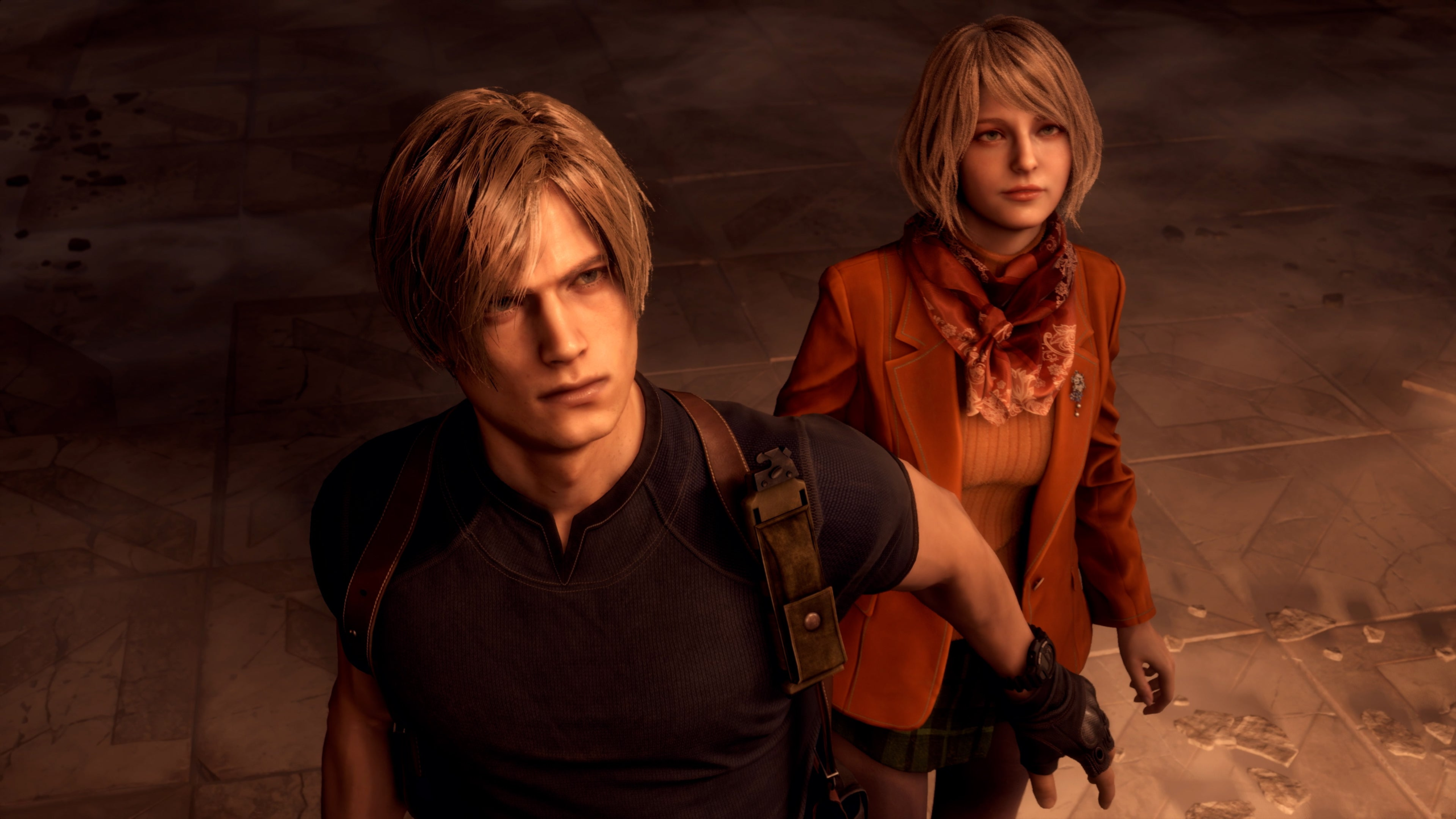
Another major reason backlog gaming is thriving in 2026 is the continued success of high quality remakes. Publishers have discovered that players are hungry for older experiences brought into the modern era with better visuals, smoother mechanics, and thoughtful reimagining. Titles such as Resident Evil 4 and the return of Silent Hill 2 reminded players that some of the most compelling releases today are actually revitalised versions of classics. These games feel fresh enough to stand beside new AAA launches, yet they carry the depth, structure, and identity that made them iconic in the first place.
Remakes are bridging the gap between past and present, proving that strong game design can outlast any trend cycle. Many players are choosing to replay the originals as well, creating a natural pull back into their existing libraries. The remake wave is not replacing backlog gaming, it is accelerating it, pushing players to revisit old franchises, understand their roots, and appreciate how far the industry has come.
A wave of community rediscovery
Backlog gaming is not just a personal trend, it is a communal one. Social media is full of players announcing that they are finally finishing their old libraries. Streamers are exploring older classics, and YouTube channels dedicated to retro or forgotten releases are thriving. Gamers are sharing recommendations, discussing spoilers for titles that came out a decade ago, and celebrating the freedom to enjoy older releases without judgement.
This sense of shared rediscovery has become a powerful motivator. People love the feeling of being part of something bigger, and backlog gaming provides a low pressure, high enjoyment community space.
Better hardware makes older games shine
Modern consoles and PCs have also played a major role in renewing interest in older titles. Enhancements such as performance boosts, quick resume features, and higher resolution upscaling have made classic games feel fresh again. The Nintendo Switch, PlayStation 5, Xbox Series consoles, and PC storefronts like Steam have all made it easier than ever to revisit older titles with significantly smoother performance.
Older games are running better now than they ever did at launch. Players are experiencing them at their best, without the bugs, framerate issues, or loading times that once plagued them.
Why backlog gaming is here to stay
While trend cycles in gaming move quickly, backlog gaming is more than a temporary shift. It reflects how players truly want to experience games. People want to play what they feel like playing, not what the industry tells them to buy next. They want to finish stories they abandoned years ago. They want to explore genres they never had time for. They want to rediscover joy without pressure.
The backlog represents freedom, and in 2026 that freedom is becoming a defining part of gaming culture. As long as the industry continues to push expensive, rushed, or repetitive new titles, players will keep finding comfort in the games they already love.
Frequently Asked Questions
Why are more players returning to older games in 2026?
Rising prices, AAA fatigue, and the desire for complete single player experiences are driving players back to their libraries.
Which platforms benefit the most from backlog gaming?
Steam, PlayStation, Xbox, and Nintendo all see boosts as players revisit older hits with improved performance.
Is backlog gaming just nostalgia?
Not entirely. It is driven by burnout, rising costs, better hardware performance, and the search for quality experiences.

Hi, I’m Luke. I write and edit for GameDayRoundup, covering everything from football stories to gaming and esports news. I enjoy digging into the details behind each topic so readers get something clear, honest and interesting every time they land on the site. I spend most of my time researching new stories, planning fresh ideas and making sure our content feels real and enjoyable to read.