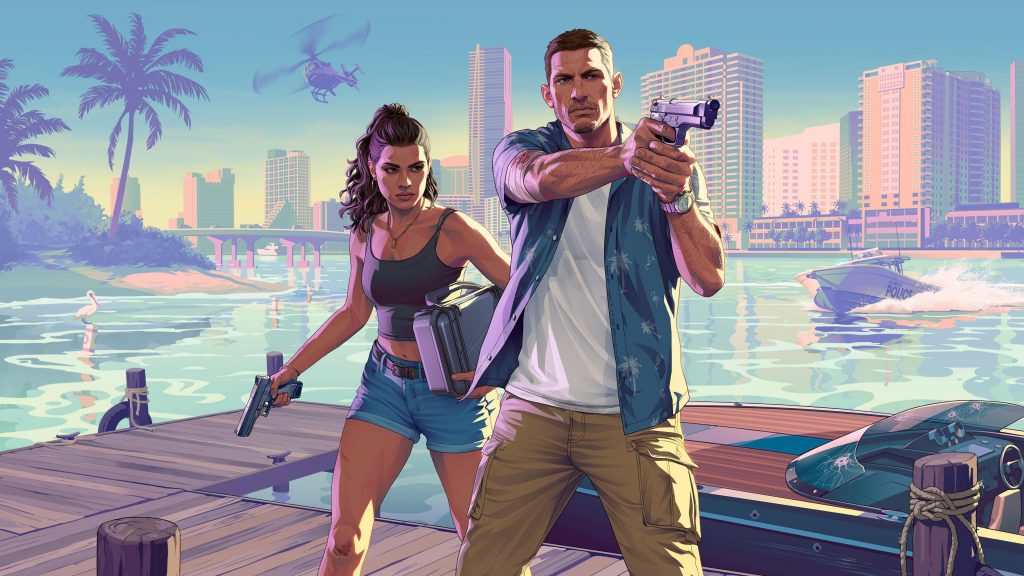
For years, the gaming industry was dominated by live service releases, seasonal grinds, and always online experiences. Yet in 2026, something unexpected happened. Single‑player games surged back into the spotlight and reclaimed the cultural centre of gaming. Players who had grown tired of endless updates and multiplayer fatigue pivoted back to immersive storytelling, emotional journeys, and worlds designed for one player only.
The shift was not a coincidence. It was the result of player burnout, rising production standards, and a renewed appetite for meaningful narratives. In 2026, gaming rediscovered something timeless. The power of a story crafted for one.
The fatigue of live service models
Live service games were not designed to be played forever, yet expectations pushed them in that direction. Seasons blurred together and players felt overwhelmed by limited time events, battle pass obligations, and repetitive weekly challenges. Many gamers found themselves playing out of obligation rather than enjoyment.
This fatigue created a desire for something purer. A game that respected a player’s time. A game that could be finished. A game that did not demand constant re‑entry to stay relevant.
Narrative power returned to the forefront
When players think back on their favourite gaming memories, they remember characters, music, and emotional turning points. They remember personal moments. In 2026, developers embraced this truth again. Studios like PlayStation Studios, Nintendo, and Xbox Game Studios leaned heavily into single‑player story experiences, and audiences responded with enthusiasm.
Players want emotional impact. They want control over the pace of their adventure. They want to escape into a crafted world rather than a competitive arena. Narrative depth became a selling point again, not an afterthought.
Next‑gen hardware raised expectations
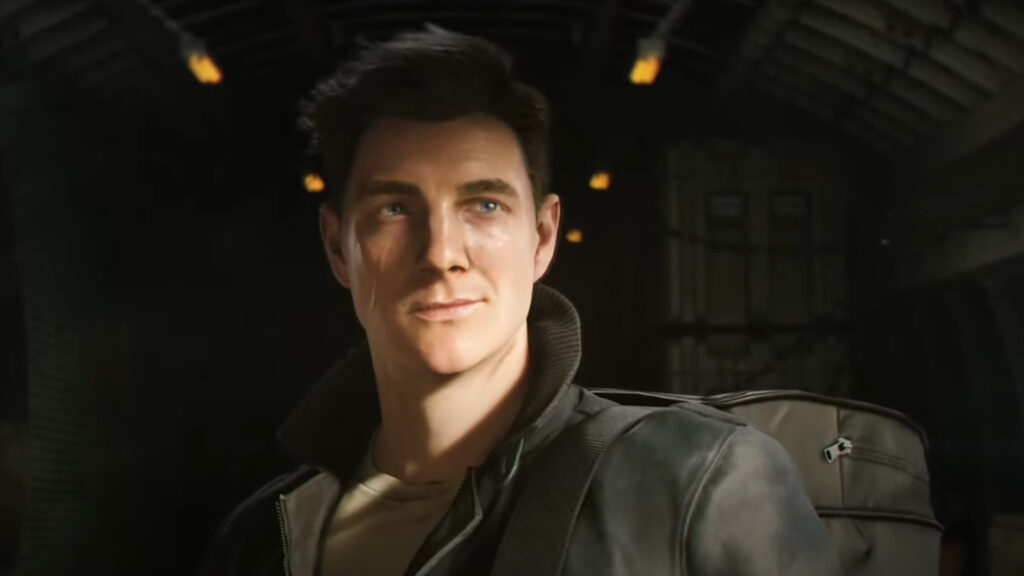
The capabilities of modern consoles and PCs shaped this resurgence. Ray‑traced lighting, advanced facial capture, and cinematic sound design allowed developers to craft movie‑level experiences with the interactivity only gaming provides. Worlds felt more alive, characters more real, and stories more absorbing.
Single‑player games, with their controlled scope and scripted moments, were uniquely positioned to take full advantage of these technologies. Players noticed the difference immediately.
You may also like: How Xbox Cloud Gaming Could Replace Consoles
Player choice and agency matter more than ever
Modern single‑player titles increasingly allow branching storylines, multiple endings, and meaningful player decisions. This sense of agency is difficult for live service multiplayer games to replicate. Personalisation feels richer when a story bends to you, not the other way around.
As AI‑assisted storytelling improves, expect even deeper choice‑driven narratives in the years ahead. The era of the static story is fading. The future is immersive and reactive.
The emotional experience cannot be replaced
Single‑player games deliver something that multiplayer titles rarely match. Emotional resonance. Quiet moments. Scenes that linger for days. These experiences remind players why they fell in love with gaming in the first place.
In 2026, the industry finally recognised that emotional impact is not a niche preference. It is a global demand.
Why single‑player is here to stay
Single‑player games did not return by accident. They returned because players needed them. They wanted stories that mattered, worlds with weight, and experiences unaffected by the unpredictable dynamics of online communities.
Going forward, both live service and single‑player titles will coexist, but the balance has shifted. The appetite for deep narrative games is stronger than it has been in a decade, and 2026 marks the moment the industry listened to its players again.
You may also like: Why The Last of Us Became More Than a Game and Changed Culture Forever
Frequently Asked Questions
Why did single‑player games become popular again?
Players grew tired of live service obligations and wanted meaningful, self‑contained stories.
Are live service games declining?
Not declining, but they no longer dominate player attention the way they did a few years ago.
What genres benefited most from the comeback?
Action adventure, RPGs, cinematic narrative games, and atmospheric indie titles.
Will single‑player titles remain strong in the future?
Yes. Demand for engaging, emotional storytelling continues to grow.

Hi, I’m Luke. I write and edit for GameDayRoundup, covering everything from football stories to gaming and esports news. I enjoy digging into the details behind each topic so readers get something clear, honest and interesting every time they land on the site. I spend most of my time researching new stories, planning fresh ideas and making sure our content feels real and enjoyable to read.