
The Premier League has always been a league of giants and overachievers, but in 2026 the financial gap has reached a point where the word “competition” often feels like marketing rather than reality. The richest clubs operate on a level that mid-table teams can no longer touch. Salaries rise every year, transfer fees inflate beyond logic, and survival for smaller clubs becomes a yearly test of financial endurance.
The debate is no longer about whether money influences results. It is about whether the financial structure of English football can survive another decade without intervention. Salary caps, once dismissed as unrealistic, are becoming a serious talking point. The Premier League cannot outspend economic gravity forever.
The financial gap is no longer closing, it is accelerating
For years, the Premier League prided itself on unpredictability. Leicester City’s title in 2016 became a symbol of what made English football special. But in 2026, the gap between the elite and the rest grows wider every season. Player wages at top clubs now dwarf the payrolls of entire squads lower down the table.
Elite clubs recruit globally, develop academies with world class infrastructure, and attract commercial deals that smaller teams cannot dream of. Each financial step forward creates a sporting step backward for teams without the same revenue streams. The league is still entertaining, but the competitive balance is shifting.
European rivals are adopting stricter rules
La Liga introduced spending limits tied directly to revenue. Serie A has taken steps to restrict unsustainable wage-to-turnover ratios. Even UEFA has begun reshaping its financial regulations to encourage responsible spending.
The Premier League remains the most lucrative league in the world, supported heavily by official league broadcasting revenue. But financial power without structure is not a long-term strategy. Other leagues are moving to protect competitive balance. England risks being left behind in governance even as it leads in global attention.
Players are not the problem. The system is.
Footballers deserve to be paid fairly. They generate billions in global value, drive commercial revenue, and place their bodies under constant physical and mental stress. The issue is not the athletes. It is the system that allows wages to rise unchecked until the sport becomes financially top-heavy and fragile.
Salary caps are not punishment. They are protection. They help secure long-term sustainability while still rewarding elite players. The goal is not to limit ambition but to create an environment where ambition is possible for more than five or six clubs.
The myth that salary caps kill ambition
Opponents of salary caps argue that restrictions punish success and reduce the quality of the league. Yet the Premier League’s greatest competitive eras came when spending was aggressive but not unrestrained. True unpredictability comes when clubs of different sizes can build smartly, develop talent, and challenge without needing billionaire-backed wages.
Even in American sports, where caps have existed for decades, teams still build dynasties. Competitive balance does not stop greatness. It makes greatness harder to monopolise.
Salary caps would protect smaller clubs from financial collapse
Premier League relegation remains one of the most brutal financial hits in world sport. Clubs gamble on high wages to survive, only to collapse under the weight of contracts they can no longer fund. Parachute payments soften the fall, but they do not fix the structural problem.
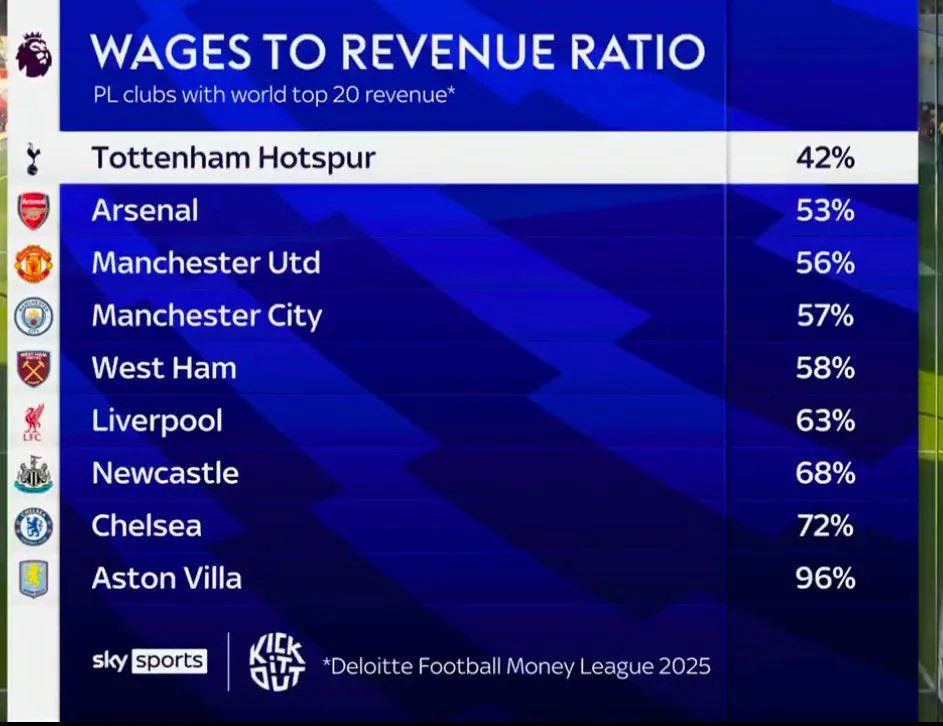
In 2026, several clubs operate dangerously close to the edge. A salary cap tied to revenue would force teams to act responsibly, reducing the risk of financial implosion and protecting long-term community stability. A football club is not just a business. It is part of a city’s identity.
The supporters deserve a league that feels competitive again
Fans do not ask for guaranteed success. They ask for hope. When the top four becomes an exclusive club with billion-pound gates, hope becomes a commodity few teams can afford. Salary caps restore some of that hope by slowing the financial arms race and encouraging smarter recruitment.
Football will always have favourites and underdogs. But when the outcome begins to feel predetermined, the magic fades. The supporters are the ones who feel that shift first.
How a Premier League salary cap could work
A cap does not need to be a simple hard limit. There are smarter, flexible solutions such as:
- Revenue-based wage caps
- Luxury taxes on overspending
- Squad cost controls tied to financial sustainability
- Gradual implementation over several seasons
The Premier League would need to collaborate with FIFA and other governing bodies to avoid legal and competitive conflict. But a well-designed system would protect clubs, elevate competition, and ensure the league stays exciting for decades.
Football needs ambition, but ambition needs structure
The Premier League remains the most watched league in the world, but the financial gap threatens everything that makes it special. Salary caps will not eliminate differences between clubs, but they will stop those differences from becoming unbridgeable. Competition should be earned on the pitch, not guaranteed by the wage bill.
Football needs ambition, but ambition needs structure. The time to act is now, before the gap becomes permanent.
Frequently Asked Questions
Why are salary caps being discussed in the Premier League?
Because the wage gap between top clubs and smaller teams is widening, threatening competitive balance and long-term sustainability.
Would salary caps reduce player quality?
Not necessarily. They encourage smarter recruitment and financial responsibility rather than restricting talent.
Do other football leagues use spending controls?
Yes. Leagues like La Liga enforce revenue-based spending limits alongside UEFA financial sustainability regulations.
Could salary caps help prevent club financial collapse?
Yes. Caps tied to revenue reduce overspending, lower financial risk, and protect community-based clubs.

Hi, I’m Luke. I write and edit for GameDayRoundup, covering everything from football stories to gaming and esports news. I enjoy digging into the details behind each topic so readers get something clear, honest and interesting every time they land on the site. I spend most of my time researching new stories, planning fresh ideas and making sure our content feels real and enjoyable to read.