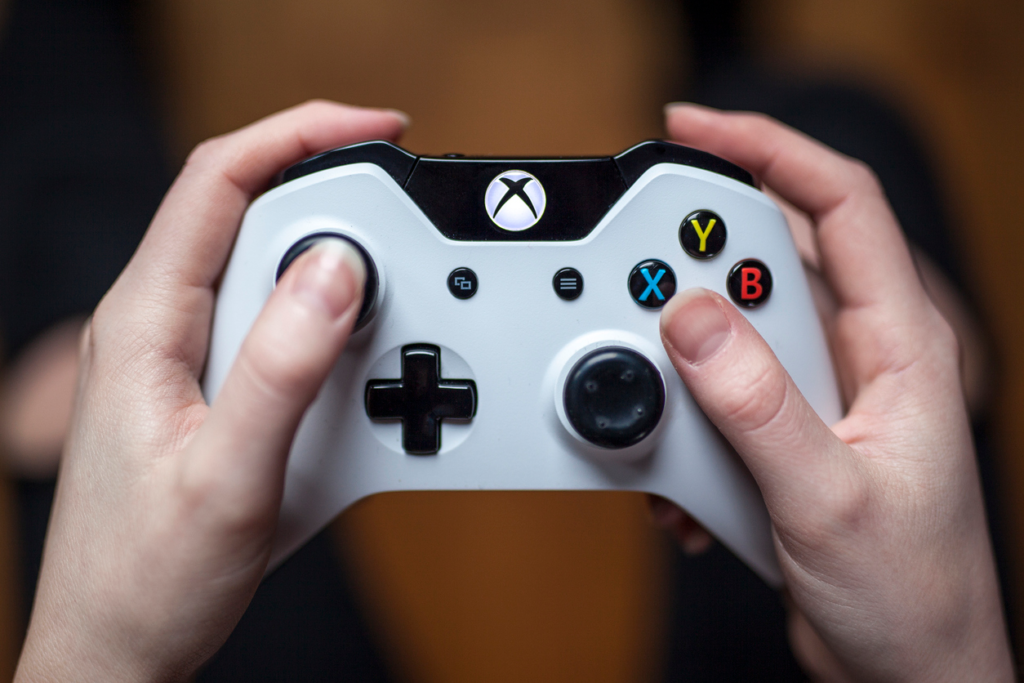
The gaming landscape is undergoing a quiet revolution. For decades, players have relied on powerful home consoles to deliver their favorite experiences, but the rise of cloud gaming is challenging this traditional model. Xbox Cloud Gaming (XCG), Microsoft’s ambitious service that streams games directly to devices without the need for high-end hardware, is at the forefront of this change.
As of November 2025, XCG usage has surged 45% year-over-year, now available in nearly 30 countries and accessible on a wide range of devices including Smart TVs, mobiles, and even VR headsets like the Meta Quest. With the convenience of instant access, the promise of cross-platform play, and the removal of expensive hardware requirements, XCG raises a compelling question: could it eventually replace consoles altogether? While the concept is still emerging, understanding its potential requires looking at the benefits, challenges, and mechanics of cloud gaming.
How Xbox Cloud Gaming Works: An Explainer
To understand how cloud gaming could replace consoles, it’s essential to know how the technology functions. XCG operates by running games on Microsoft’s powerful server farms. These servers handle all the processing, graphics rendering, and calculations required to play the game. The output is then streamed as video to the player’s device, while user inputs—controller movements, button presses, or touch gestures—are sent back to the server in real-time. Essentially, the player’s device becomes a remote display and input device, while the heavy lifting is done in the cloud.
This model allows even devices with modest specifications to run demanding games. For example, a smartphone or budget laptop can stream AAA titles that would otherwise require a high-end console or gaming PC. XCG uses adaptive streaming technology to adjust resolution and frame rate based on network conditions, minimizing lag and maintaining smooth gameplay—even on emerging devices like the Steam Deck via Microsoft Edge. The service is integrated with Xbox Game Pass Ultimate, providing access to hundreds of games without individual purchases, plus options to stream owned titles.
Additionally, cloud gaming supports cross-platform play and progress synchronization. Players can start a game on one device and pick up where they left off on another, with achievements and saved data stored in the cloud. This unified ecosystem emphasizes convenience and continuity, allowing gaming to fit more seamlessly into daily life. As internet infrastructure continues to improve and cloud technologies advance—bolstered by features like Gaming Copilot for mobile—the gap between local console performance and streamed experiences will continue to narrow.
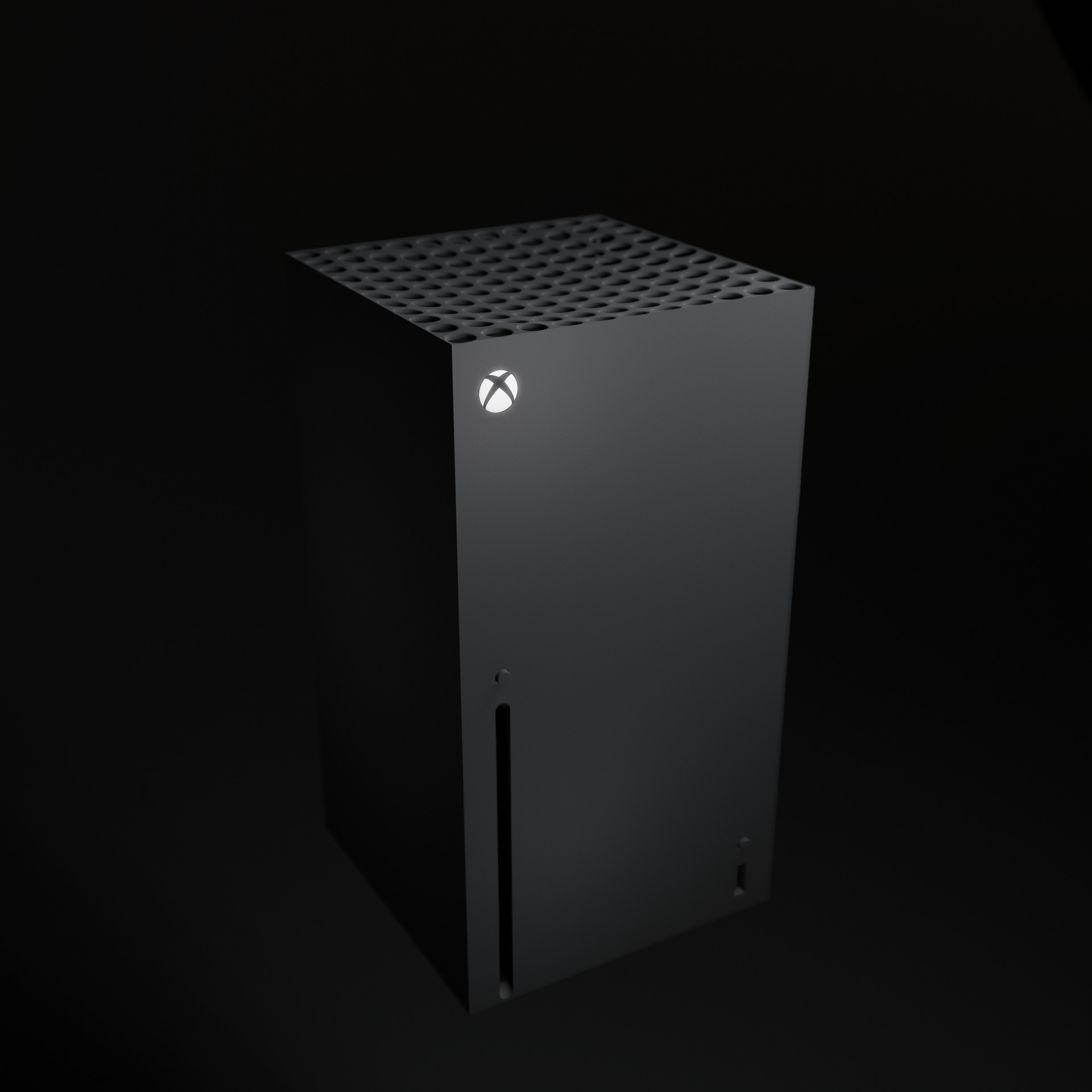
The Positive Side: Accessibility and Convenience
One of the strongest arguments in favor of XCG is accessibility. Traditionally, gaming has required significant investment in consoles and peripherals, often costing hundreds of dollars upfront. With cloud gaming, players can stream the latest titles on devices they already own—smartphones, tablets, laptops, or even low-spec PCs—making high-quality gaming more inclusive. Microsoft’s Game Pass Ultimate, which includes XCG, allows gamers to access a library of over 400 titles without needing to upgrade hardware constantly. This democratization of gaming could open the door for casual players who were previously deterred by the cost and complexity of consoles.
Convenience is another major advantage. Games no longer need to be downloaded, installed, or patched individually. Updates are handled server-side, meaning players can pick up a title and start playing instantly. Recent updates, like improved save data visibility, further enhance this seamlessness by letting users check sync status in real-time. Additionally, cloud gaming promotes portability. Imagine being able to start a game on your living room TV and seamlessly continue on your tablet while commuting or on a friend’s laptop during a visit. This level of flexibility redefines the idea of where and when games can be played, shifting the focus from owning a console to simply having a reliable internet connection.
Another potential positive is environmental impact. Consoles are physical products with a production footprint and limited lifespan. Reducing the demand for physical hardware could help cut down on e-waste and the carbon intensity of manufacturing and shipping—studies show physical game discs alone can be up to 100 times more carbon-intensive than digital versions. Cloud gaming, in theory, can consolidate the energy costs on server farms optimized for efficiency, and Microsoft has made strides in sustainability, such as preventing over 1.2 million metric tons of CO2e emissions through Xbox initiatives from 2020-2023. However, critics note that data centers powering cloud services can increase overall energy use by 30-60% compared to local play, depending on the device, so the net benefit depends on renewable energy adoption and efficient infrastructure.
The Challenges: Limitations and Barriers
Despite its promise, XCG faces significant obstacles that could prevent it from fully replacing consoles in the near term. The most obvious challenge is infrastructure. Streaming high-quality games requires a fast and stable internet connection with low latency—Microsoft recommends at least 20 Mbps download speeds for optimal performance on PCs, consoles, and tablets, but ping times under 80 ms are crucial to avoid input lag. While fiber-optic networks and 5G are expanding, many regions still lack the consistent bandwidth needed for smooth gameplay, especially for graphically intensive titles. For competitive gamers, even a small delay—measured in milliseconds—can impact performance, making cloud gaming less appealing for esports or fast-paced action games.
Another limitation is game library compatibility. While XCG supports over 400 titles, not every game is available, and some require local processing power to function optimally. Certain genres, particularly simulation games or full VR experiences, demand hardware capabilities that current cloud solutions cannot fully replicate—XCG streams console versions to VR headsets like the Meta Quest, but lacks native VR support for immersive titles. As a result, consoles still offer the assurance of running any game as intended, without worrying about network conditions or server availability.
Data privacy and security also pose concerns. Gaming in the cloud means sending personal data and gameplay input over the internet to centralized servers. While Microsoft invests heavily in cybersecurity, cloud services inherently introduce more points of vulnerability than local consoles. Additionally, reliance on subscription models can be a barrier. If a player’s subscription lapses, access to games disappears, whereas traditional consoles provide ownership of purchased titles indefinitely. Microsoft has emphasized that Game Pass and XCG are not meant to “funnel” players away from ownership, allowing purchases alongside subscriptions. For many gamers, the tangible sense of ownership and control over their hardware and software remains a strong incentive to keep consoles.
The Future: Could Consoles Become Obsolete?
While XCG is far from perfect, its trajectory suggests a future where consoles may no longer be strictly necessary. The key drivers are accessibility, convenience, and cost-efficiency, with record streaming hours (over 140 million in Q2 2025 alone) signaling strong momentum. For casual gamers or those unwilling to invest in hardware upgrades every few years, cloud gaming provides a compelling alternative. As server technology improves and latency decreases, the experience will increasingly rival that of physical consoles.
However, it’s unlikely that consoles will disappear entirely in the near term. Hardcore gamers, enthusiasts, and esports professionals still value the tactile control, immediate responsiveness, and exclusive features that local hardware provides. Physical consoles also offer a sense of permanence and ownership that cloud subscriptions cannot fully replicate. Instead, the future might see a hybrid model, where cloud gaming complements rather than replaces traditional consoles, allowing gamers to choose the format that best fits their needs—whether streaming on the go or playing locally for precision.
Ultimately, XCG represents a transformative shift in the way we access and experience games. Its potential to make high-quality gaming more accessible, portable, and sustainable (with caveats) is undeniable, even if certain limitations remain. Whether it eventually replaces consoles or simply reshapes the industry, the era of streaming-first gaming is already underway, and players worldwide are poised to benefit from its rise.
Frequently Asked Questions
Can Xbox Cloud Gaming completely replace consoles?
While Xbox Cloud Gaming offers a console-free experience, it is unlikely to fully replace consoles in the near future. Network limitations, latency concerns, and certain hardware-dependent games still make physical consoles necessary for hardcore gamers. However, for casual or on-the-go gaming, cloud gaming provides a convenient alternative.
What devices support Xbox Cloud Gaming?
Xbox Cloud Gaming can be used on a wide range of devices, including Windows PCs, Android and iOS smartphones and tablets, and even some smart TVs and web browsers. This allows players to stream games without needing an Xbox console.
How does Xbox Cloud Gaming work?
Xbox Cloud Gaming runs games on Microsoft’s servers and streams the video output to your device. Player inputs, like controller movements or screen taps, are sent back to the server in real time. This allows even low-spec devices to play graphically demanding games without high-end hardware.

Hi, I’m Adam and I cover a mix of football, gaming and general sports stories for GameDayRoundup. I like writing in a way that keeps things simple, direct and enjoyable for everyone, whether you follow the sport every day or just check in now and again. I always try to bring a bit of personality to the articles I work on, along with careful editing to make sure everything is accurate and easy to understand.