The indie gaming scene has exploded over the past decade, but nowhere has it flourished more than on PC. When people talk about creativity in gaming, they often point to huge console releases or blockbuster franchises, yet the most daring ideas often begin on a keyboard and mouse. PC is not just a platform. It is a creative ecosystem. It is a place where developers experiment, where communities rally behind passion projects and where small teams can reach millions without relying on publishers.
I have always believed that indie games thrive on PC because the platform respects freedom. Freedom to create, freedom to distribute and freedom to fail without being buried. There is a raw honesty to PC gaming that supports the underdog. It is less about market trends and more about finding something new, something personal and something memorable. No other platform offers this level of flexibility, and that freedom continues to shape the future of indie development.
Lower Barriers Allow Creators to Experiment
The PC ecosystem makes it easier for developers to break into the industry. Tools like engines, mod kits and accessible publishing platforms allow creative teams to build and release games without the approval processes required on console. This has led to a surge of experimental titles that push boundaries. Many of the games that later become console favourites begin their lives on PC because the platform supports innovation first.
Valve has played a major role in this through the Steam platform. With global distribution, accessible publishing tools and community features, Steam has become the launchpad for indie creators. Valve’s official developer resources on Steamworks give small studios the same technical infrastructure as established publishers. That kind of support is rare in the gaming world and a major reason why PC feels like the natural home for independents.
Player Communities Help Games Grow Organically
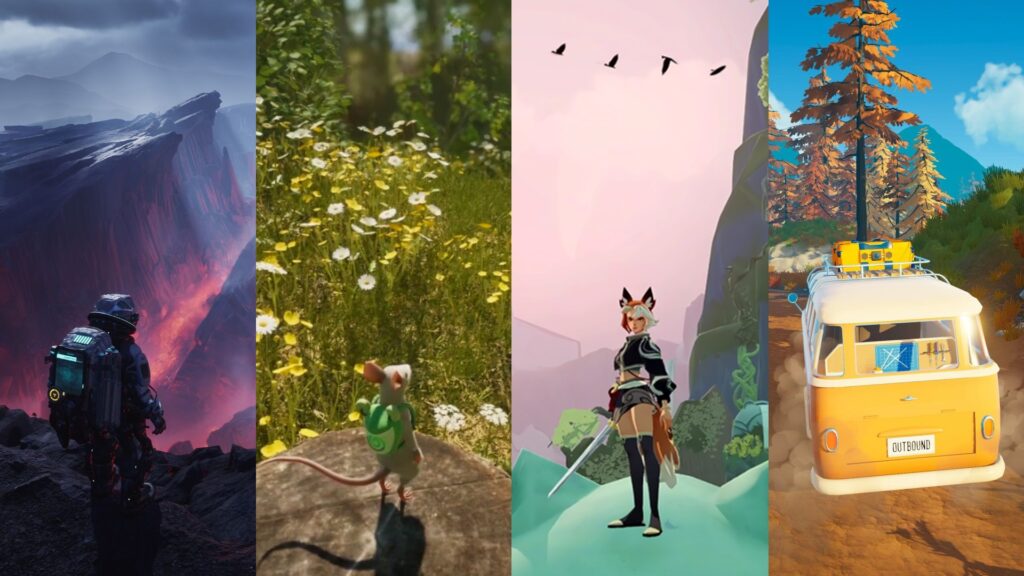
PC players have a unique relationship with the indie scene. They actively seek out creative gameplay loops, unusual art styles and experimental mechanics. Communities on platforms like Steam Discussions and dedicated fan hubs help small games build momentum, even without marketing budgets. Word of mouth spreads naturally on PC. A hidden gem can become a global phenomenon overnight because players are willing to take chances on new ideas.
Esports style communities also form around games that seem unlikely at first. Take titles supported by Riot Forge on Riot Games’ official site. While these are not traditional indies, the collaborations showcase how PC audiences embrace creativity and narrative driven experiences. The culture encourages experimentation, which helps small studios gain confidence in releasing unconventional projects.
Modding Culture Extends a Game’s Life
Modding has always been a defining feature of PC gaming. The ability for players to build new maps, characters, storylines or even entire expansions keeps indie games alive for years. Modding does more than extend content. It builds loyal communities. When players take part in shaping a game, they invest emotionally. They feel ownership, and that connection is powerful. It keeps a game relevant long after release.
Some of the most famous modern titles began as small mods before becoming full releases. PC gives creators the freedom to experiment in ways consoles simply cannot. This creative cycle of play, modification and reinvention is one of the biggest reasons indie games succeed on PC.
PC Hardware Options Level the Playing Field
Indie games do not rely on visual spectacle. They rely on heart, imagination and smart design choices. PC hardware supports this beautifully. A player with an older laptop can enjoy the same indie masterpiece as someone with a high end gaming rig. This accessibility brings more players into the ecosystem and creates a shared experience across hardware generations.
While consoles can deliver outstanding performance, they require certification, optimisation and approval steps that many small teams cannot easily navigate. PC allows developers to release games at their own pace, roll out updates quickly and gather instant feedback from real players.
PC Stores Give Developers More Control
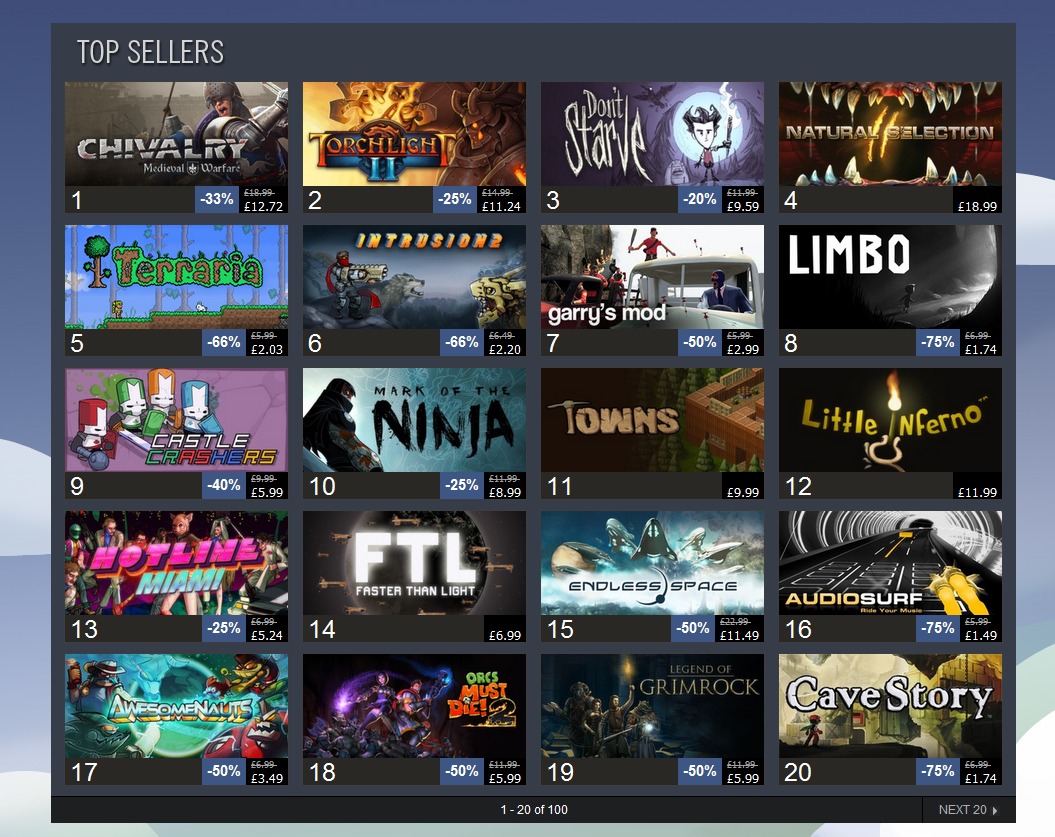
Beyond Steam, PC offers multiple distribution options. Storefronts like Ubisoft’s PC platform and indie friendly stores provide different business models, revenue splits and publishing tools. Developers are not locked into one marketplace. They can choose the platform that suits their vision, revenue goals or community needs.
This variety protects creative independence. A small studio can thrive even if they do not immediately gain traction on one store. They have options. That safety net is invaluable when every release is a risk.
Why PC Will Always Be the Indie Home
In my opinion, indie games thrive on PC because the platform gives developers what they need most. Space to create. Space to grow. Space to take chances without fear of being overshadowed by the biggest franchises in the world. PC has a heartbeat that consoles cannot replicate. It is community driven, experimental and deeply personal.
Indie games flourish here because the players want something different. The developers want freedom. And the platform brings both together in a way that keeps the industry moving forward.
Frequently Asked Questions
Why do indie games release on PC first?
PC offers fewer restrictions, faster publishing tools and a supportive community, making it easier for indie studios to test ideas and build momentum.
Are indie games more successful on PC than on consoles?
Yes. PC players seek experimental ideas and are more open to discovering smaller titles, which helps indie games build long term audiences.
How does modding help indie games?
Modding extends a game’s life, builds loyal fans and encourages creative additions that keep the game relevant for years.

Hi, I’m Luke. I write and edit for GameDayRoundup, covering everything from football stories to gaming and esports news. I enjoy digging into the details behind each topic so readers get something clear, honest and interesting every time they land on the site. I spend most of my time researching new stories, planning fresh ideas and making sure our content feels real and enjoyable to read.