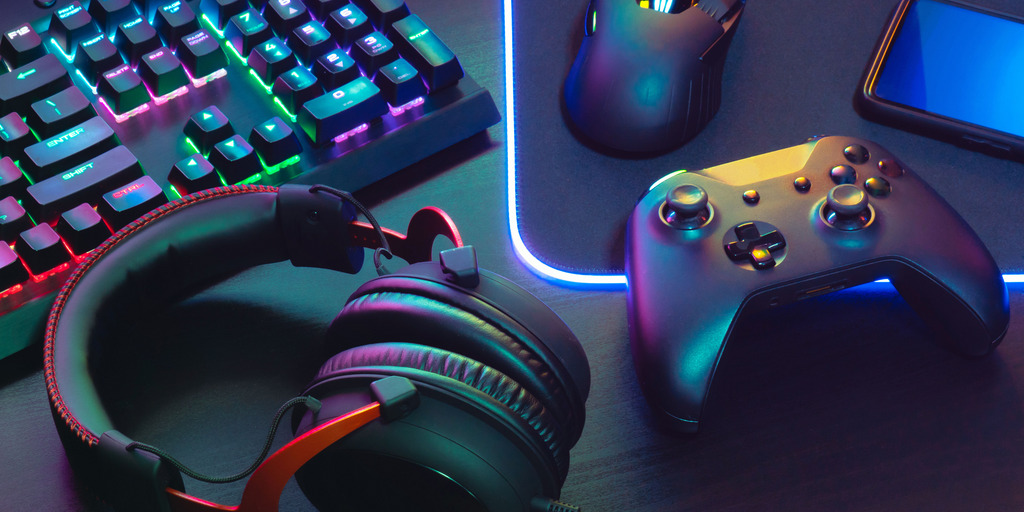
When we imagine video games, visions of endless hours lost to virtual worlds often come to mind—fun, perhaps addictive, but hardly a path to vitality. Yet, emerging neuroscience is flipping that script: regular gaming might not just entertain but actively shield the brain from the ravages of age. A landmark 2024 study revealed that frequent gamers, clocking at least five hours a week, scored on cognitive tests—measuring memory, reasoning, and attention—like individuals 13.7 years younger than their actual age. For a 60-year-old, that’s the mental edge of a 46-year-old. As global populations gray and dementia rates climb, could the joystick become a tool for sharper minds and longer independence? The evidence is intriguing, but not without its shadows.
The Promise: How Gaming Builds Cognitive Resilience
Decades of research now point to video games as a potent brain booster, particularly for older adults facing the subtle erosion of memory and focus. One standout line of inquiry focuses on immersive 3D games, which demand spatial navigation and exploration—tasks that mirror real-world wayfinding. In a 2020 study published in Behavioural Brain Research, older participants played such games for about 30 minutes daily over four weeks. The result? Measurable gains in hippocampal function, the brain’s hub for memory formation, with improvements lingering weeks after play stopped. These games essentially act as “environmental enrichment,” coaxing the aging hippocampus to grow denser neural connections and fend off shrinkage, a hallmark of cognitive decline.
Beyond memory, gaming hones attention and multitasking in ways that echo youthful vigor. The aforementioned 2024 analysis of over 1,000 adults worldwide linked consistent play to enhanced processing speed, working memory, and spatial reasoning—core skills that underpin daily decision-making. Even more strikingly, a pioneering 2013 trial using a custom game called NeuroRacer trained seniors aged 60 to 85 in divided-attention tasks. After a month, their performance not only surged but rivaled that of untrained 20-year-olds, suggesting games can recalibrate the brain’s executive controls as effectively as decades of natural youth. In essence, these activities deliver a dynamic mental workout, fortifying the neural pathways that time might otherwise fray.
The Caveats: Limitations and Unintended Trade-Offs
For all their allure, these findings come with asterisks that temper enthusiasm. Not every study sings gaming’s praises uniformly, and methodological hurdles abound. Take early work on children: a 2022 NIH-backed analysis initially touted cognitive perks from heavy gaming but was retracted and reissued in 2023 after scrutiny over data handling, though core insights on modest benefits held. In adults, gains often prove narrow—players excel at game-like tasks but show murkier carryover to real-life scenarios, like recalling appointments or juggling errands. This “near transfer” conundrum plagues much of brain-training research, leaving experts skeptical of broad, enduring shields against dementia.
Lifestyle pitfalls add another layer of complexity. Gaming’s sedentary nature—hours glued to screens—clashes with evidence that inactivity accelerates vascular issues and inflammation, which indirectly harm brain health. While cognitive upsides persist in short trials, prolonged sitting could erode them over time, underscoring that games alone won’t outrun the need for movement. Mental health weaves in similarly mixed threads: although moderate play might ease stress for some, excessive sessions correlate with spikes in anxiety, depression, and social withdrawal, per multiple reviews. Many trials, moreover, rely on small cohorts or brief interventions, offering snapshots rather than lifelong prophecies.
Practical Implications: Gaming as Part of a Smarter Aging Strategy
These nuances don’t diminish gaming’s potential; they refine it into a savvy, multifaceted ally for brain longevity. For midlifers eyeing foggy futures, incorporating strategic play—say, puzzle adventures or action titles—presents an approachable hedge against decline, especially when woven into broader habits like walking or socializing. The accessibility stands out: unlike pricey neurofeedback devices or prescription regimens, most games run under $60 (or free via apps), needing just a smartphone or console for at-home sessions tailored to one’s rhythm.
On a societal scale, the stakes amplify. With aging boomers straining healthcare budgets—dementia care alone projected to hit $1 trillion globally by 2050—tools that modestly delay cognitive slips could yield massive dividends, from reduced nursing costs to sustained workforce participation. Personally, the payoff is profound: a decade of preserved acuity might mean steering clear of assisted living, managing investments with confidence, or savoring family stories without the fog of forgetfulness. Gaming, then, emerges not as a panacea but a pragmatic investment, amplifying independence in an era of lengthening lives.
Final Thoughts
In the end, video games won’t rewind the clock to adolescence, but they might nudge it forward a precious few years. The science, while evolving, tilts toward optimism: for those who game mindfully, the hobby doubles as subtle armor against mental rust. As research deepens—perhaps tracking lifelong players into their 90s—the verdict could solidify. Until then, why not level up? Your future self, sharper and steadier, might just thank you.
Frequently Asked Questions
Can playing video games actually slow cognitive decline in older adults?
Yes, research suggests that playing video games can help slow cognitive decline in older adults. Studies show that gamers tend to have better memory, faster reaction times, and improved problem-solving skills compared to non-gamers. By challenging the brain with strategic thinking, multitasking, and spatial awareness tasks, video games can stimulate neural activity and promote brain plasticity, effectively helping the brain age more slowly.
Which types of video games are best for improving memory and attention?
Puzzle games, strategy games, and action games are particularly effective at improving memory and attention. Puzzle and strategy games encourage planning and critical thinking, while fast-paced action games enhance visual-spatial skills, multitasking, and sustained attention. Games that adapt to a player’s skill level are especially beneficial, as they consistently challenge the brain without causing frustration.
Are there risks to brain health from playing video games too much?
#While moderate gaming can benefit cognitive health, excessive gaming can have risks. Overplaying may lead to sleep disruption, eye strain, and reduced physical activity, which can negatively affect overall brain and body health. Experts recommend balancing gaming with physical exercise, social interaction, and proper rest to maximize the cognitive benefits while minimizing potential drawbacks.

Hi, I’m Adam and I cover a mix of football, gaming and general sports stories for GameDayRoundup. I like writing in a way that keeps things simple, direct and enjoyable for everyone, whether you follow the sport every day or just check in now and again. I always try to bring a bit of personality to the articles I work on, along with careful editing to make sure everything is accurate and easy to understand.