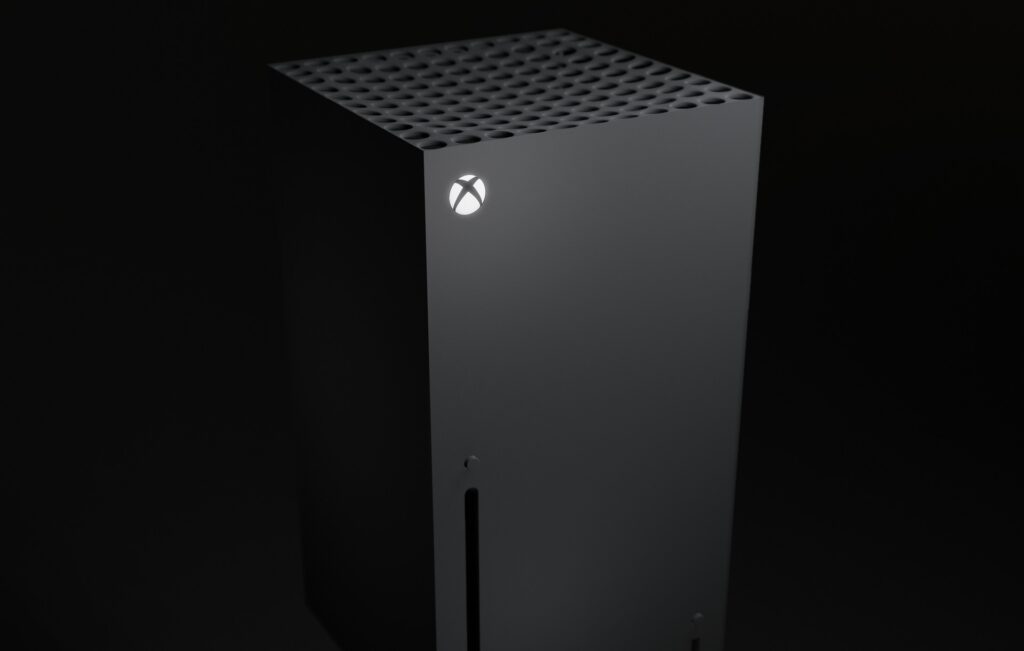
The gaming industry is constantly evolving, shaped by technology, player expectations, and business models. In recent years, one of the most transformative forces has been Xbox Game Pass. Launched in 2017, the subscription service gives access to hundreds of games for a monthly fee, and it is quietly reshaping how players experience games. While the service has undeniable advantages, it also raises questions about its impact on game quality and story-driven experiences.
For players like me, who thrive on deep narratives, Game Pass is both exciting and a little concerning. The recent straight-to-Game Pass release of Call of Duty: Black Ops 7, which has received mixed reviews, highlights the tension between accessibility and quality. This article explores how Game Pass is reshaping the industry, weighing its positives and negatives, and considering whether a direct-to-subscription model affects the future of gaming.
The Positive Side – Accessibility and Player Freedom
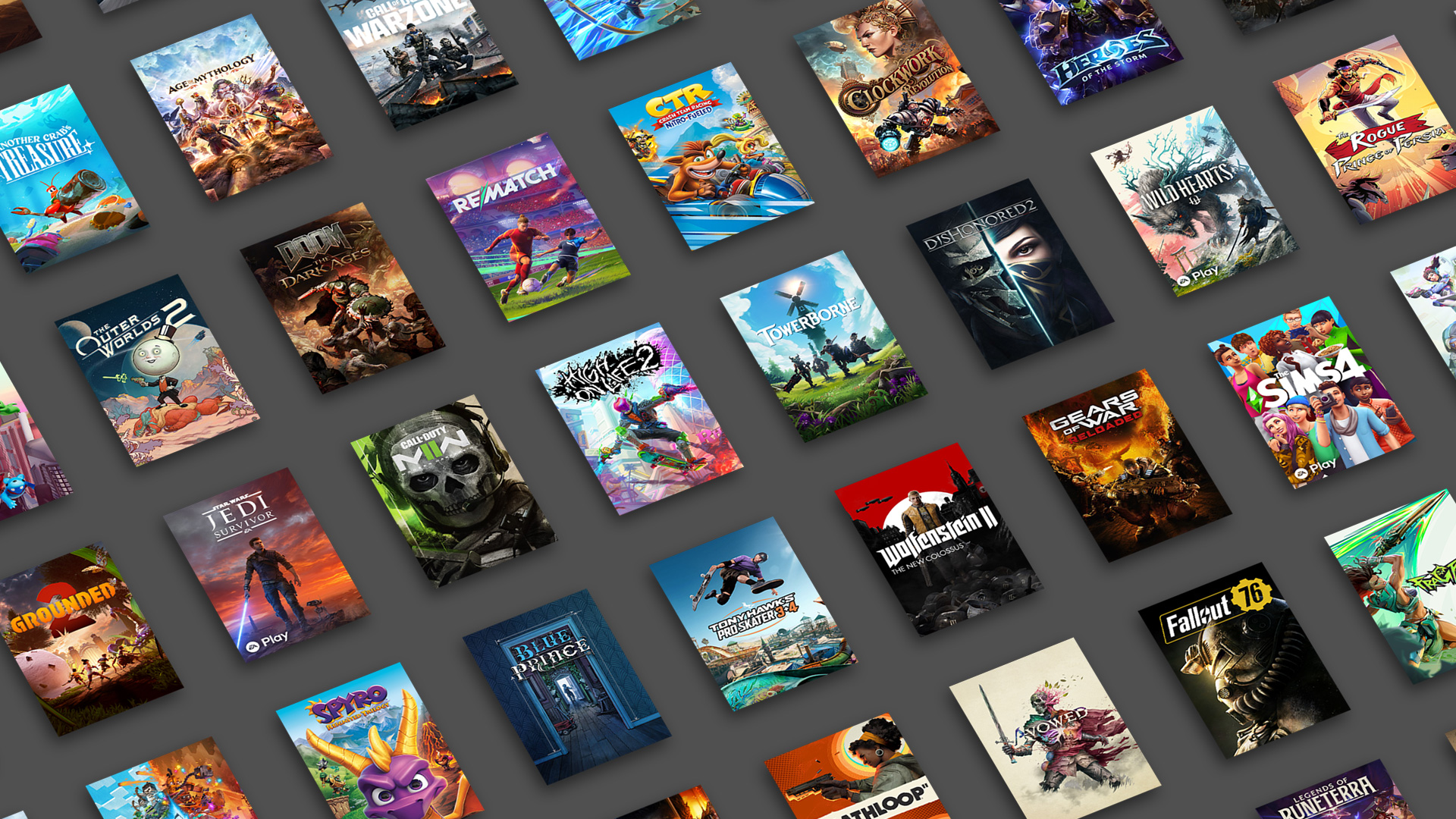
One of the biggest advantages of Game Pass is accessibility. For a low monthly fee, gamers can play a huge library of titles, from indie hits to major franchises. This lowers the financial barrier to entry, especially for newer players or those unwilling to pay full price for every new release. Players can try games they might never buy, exploring genres outside their usual preferences.
Game Pass is often described as “Netflix for gaming.” Players can download and play titles at their own pace, experiment with new games, and avoid buying games they may not finish. The library is regularly updated, keeping the experience fresh.
The service can also benefit smaller studios. Being included on Game Pass exposes indie games to a massive audience, boosting visibility and sales beyond what traditional retail could offer. Games like Hades and Slay the Spire saw dramatic growth in player numbers after being added to Game Pass, providing financial support while giving players incredible value.
The Potential Downsides – Quality and Studio Pressure
Despite these advantages, Game Pass has potential downsides. One concern is the impact on game quality, particularly when major releases launch directly on the service. The release of Call of Duty: Black Ops 7 straight to Game Pass is a notable example. While the franchise is huge, the game has received lukewarm reviews. This raises the question: does bypassing traditional retail reduce the incentive to polish a game?
There is a risk that subscription models could push studios to prioritize quantity over quality. When success is measured by the number of players accessing a game rather than individual sales or critical reception, there may be less motivation to focus on narrative depth, detailed mechanics, or long-term replayability. Story-driven games, which are my personal preference, could be particularly vulnerable. Games like Grand Theft Auto VI or Red Dead Redemption 2 require time, care, and attention to storytelling. If subscription models shift developer priorities toward shorter, more accessible experiences, narrative-driven games could suffer.
Financially, Game Pass can also impact developers. While inclusion guarantees some revenue upfront, studios might earn less than they would from traditional sales if a widely accessed game doesn’t attract additional purchases. Over time, this could influence the types of projects studios pursue, favoring reach over storytelling excellence.
The Industry-Wide Implications
Beyond individual games, Game Pass is reshaping the industry. Subscription models are influencing competitors like PlayStation to expand their own services. Traditional AAA release models—high-budget launches followed by post-launch content—may evolve or disappear entirely.
For players, this could mean more games for less money, but it also raises questions about the future of game diversity. Publishers may focus on franchises and genres that perform well in subscription contexts, like multiplayer or live-service games, potentially sidelining story-driven single-player experiences. Studios may need to find new ways to fund ambitious projects, whether through partnerships, crowdfunding, or alternate monetization strategies.
There are opportunities, too. Subscription services can encourage experimentation. Studios might take creative risks knowing a game will reach a large audience through Game Pass, even if it doesn’t sell millions of copies. This could democratize the industry in some ways, allowing unconventional ideas to succeed.
For players, Game Pass is already changing how we approach gaming. We no longer purchase games individually; we rent access to a library, sampling widely and discovering hidden gems. For the industry, this represents a major shift—from ownership to access, and from individual sales to engagement metrics.

Balancing Innovation and Preservation
Xbox Game Pass is quietly but profoundly changing gaming. It provides unmatched value, accessibility, and exposure for smaller studios, and it allows players to explore games they might otherwise miss. Yet it also raises concerns about quality, particularly for story-driven games, and how developers prioritize projects.
For me, Game Pass is an exciting idea—as long as it doesn’t stifle studios or compromise the types of narrative-rich games that are my bread and butter. The mixed reception of Call of Duty: Black Ops 7 shows that direct-to-subscription launches don’t guarantee excellence. If the industry can find a balance, Game Pass could redefine gaming for the better without losing the depth and creativity that make games truly memorable.
Frequently Asked Questions
What is Xbox Game Pass and how does it work?
Xbox Game Pass is a subscription service from Microsoft that gives players access to hundreds of games for a monthly fee. Subscribers can download and play games on Xbox consoles or PC, and the library is regularly updated with new releases and classic titles.
Does Game Pass affect game quality?
Direct-to-Game Pass releases, like Call of Duty: Black Ops 7, have sparked debate about quality. While some games thrive on the platform, there is concern that subscription-driven metrics could prioritize reach over polish, particularly in story-driven or narrative-heavy games.
Are there any downsides to Game Pass for gamers?
While Game Pass offers great value, some downsides include potential exposure to games that may not be fully polished and the risk of prioritizing shorter, more “accessible” experiences over deep, narrative-rich titles.

Hi, I’m Adam and I cover a mix of football, gaming and general sports stories for GameDayRoundup. I like writing in a way that keeps things simple, direct and enjoyable for everyone, whether you follow the sport every day or just check in now and again. I always try to bring a bit of personality to the articles I work on, along with careful editing to make sure everything is accurate and easy to understand.