Artificial intelligence has become one of the most disruptive forces in modern gaming. It influences how non player characters behave, how worlds form, how difficulty adapts, and how studios think about long term development. The promise of AI has always been to create richer games with smarter systems. Yet the rise of generative models has brought a new wave of conversation that feels far more personal. For many players and developers, AI has opened doors to deeper immersion. For others, it has triggered concern about the future of creativity, originality, and the people who bring games to life.
Smarter NPCs and More Believable Interactions
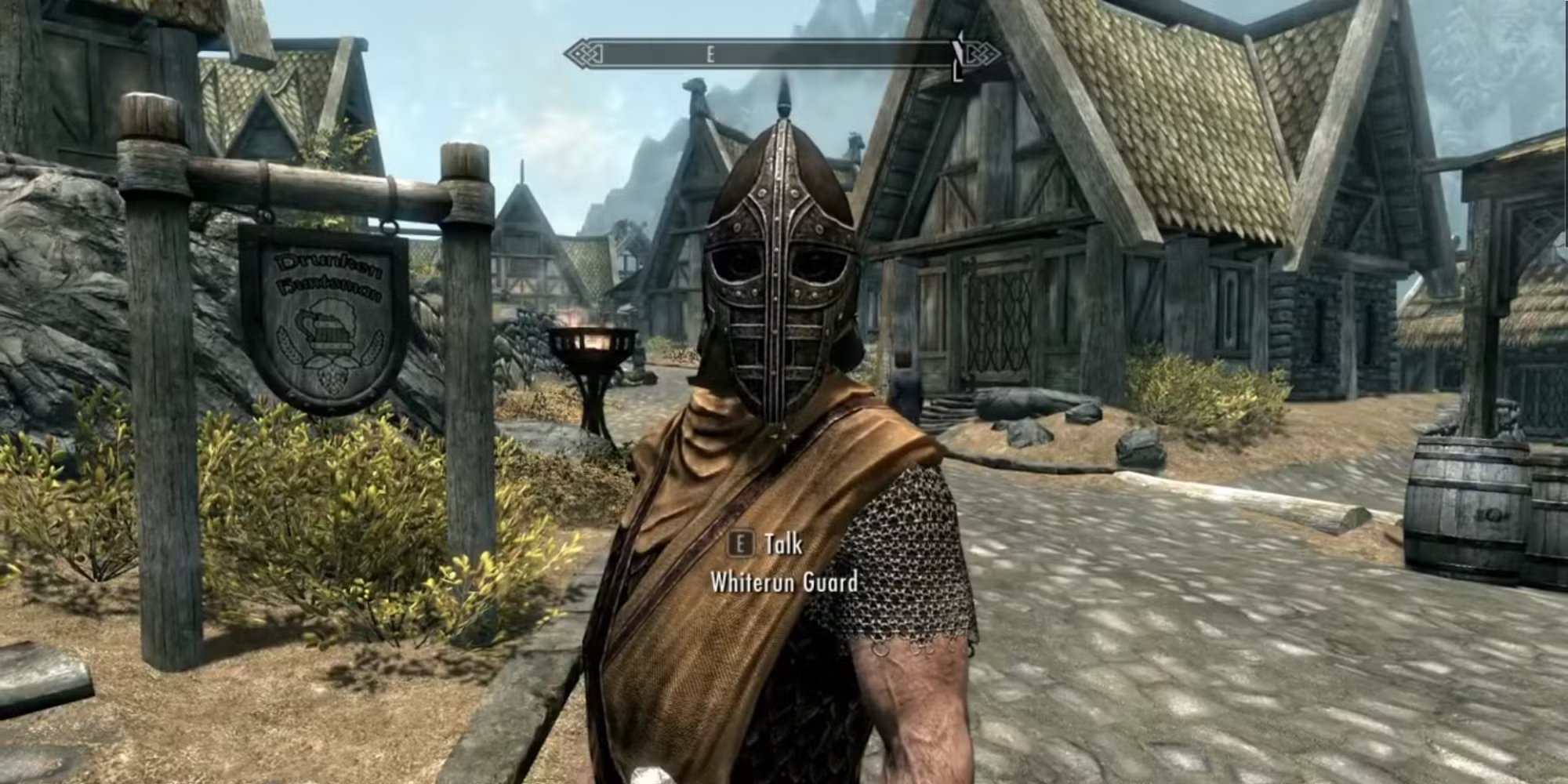
AI driven NPCs have changed dramatically over the years. Early characters followed basic scripts, repeating the same dialogue and predictable behaviour. Modern systems allow NPCs to respond dynamically to player action, shifting tone, strategy, and emotion based on context. Studios at the forefront of competitive gaming, such as Valve, have long used adaptive AI for bots that react to team composition, map pressure, and player movement.
The next step is large scale behavioural AI, promising characters that remember players, build relationships, or adjust their worldview over time. While this excites some gamers, it also sparks debate. If AI writes or generates the personality of an NPC, what happens to the craft of character writing? It is a question the industry continues wrestling with.
Procedural Generation and Infinite Replayability
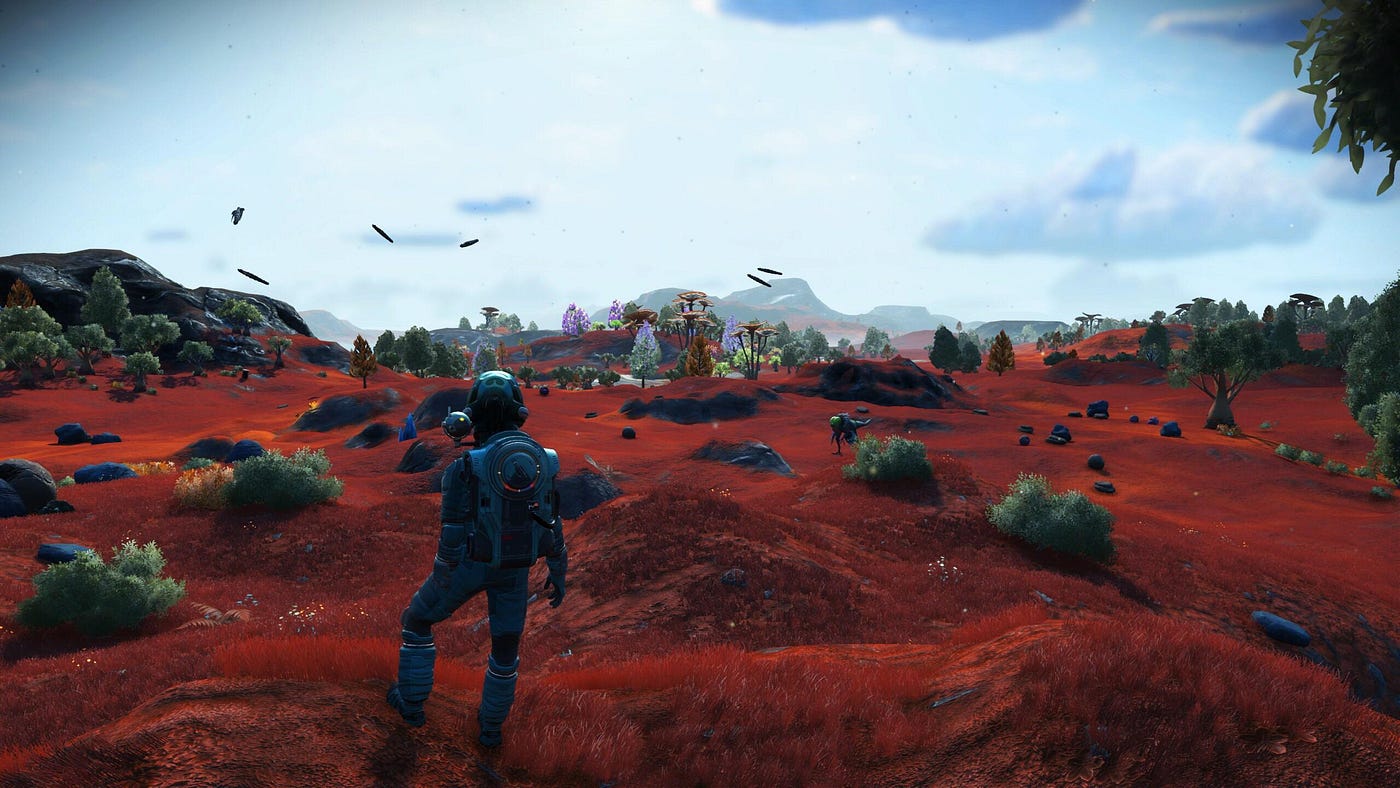
Procedural generation has existed for decades, but AI pushed it into new territory. Open worlds can now form using intelligent rules rather than random patterns. Terrain, weather systems, enemy placement, and story fragments can shift every time a player loads the game. Developers use machine learning to identify what makes a map fun, what keeps pacing smooth, and what encourages exploration.
This creates worlds that feel alive, unpredictable, and responsive. Some titles even use AI to build environments on the fly, ensuring no two players ever share the exact same experience. It represents a major leap forward in technology, but it also changes how developers approach world building. Instead of manually crafting every corner, artists guide systems that create content automatically.
Dynamic Difficulty and Player Behaviour Analysis
One area where AI shines without controversy is dynamic difficulty. Using pattern recognition, games adjust challenge based on player skill. Boss fights might become more aggressive for veteran players or more forgiving for newcomers. Racing games adjust rubber banding, while shooters learn how often players take cover or push forward.
Official platforms such as PlayStation and Xbox continue improving system tools that help developers fine tune balance through real time data. It makes games more accessible, more personal, and often more enjoyable. Here, AI strengthens the player experience instead of replacing human creativity.
Where AI Risks Replacing Creativity
This is where opinions split sharply. AI is powerful, but creativity is human. Many players fear a future where games rely too heavily on automated writing, automated art, and automated quests. Studios can be tempted to cut costs by letting AI generate dialogue, story beats, or environment art rather than paying writers and artists who dedicate years to their craft.
From my perspective, this is the part of AI that worries me the most. I do not believe AI should replace the creative process in game design or game art. When AI writes dialogue or generates concept art, it removes the personal touch that human artists bring. It sucks the creativity out of the process and turns something emotional into something mechanical. It also risks replacing the very people whose talent shaped the industry in the first place. I support AI as a tool, but not as a substitute for human imagination.
Many others share this concern. The industry has always been built on artists, animators, sound designers, illustrators, and writers whose creativity defines what games look and feel like. When AI replaces them, the emotional core of the medium begins to fade.
AI as a Tool, Not a Substitute
Despite the concerns, AI does offer meaningful benefits when used responsibly. It can test thousands of gameplay scenarios faster than any human QA team. It can help studios identify bugs, balance multiplayer systems, or understand player movement across huge maps. It can build prototype environments quickly, giving artists more time to refine the details that matter.
Even in writing, AI can help brainstorm variations or test dialogue flow, leaving the final creative decisions to humans. This balance is where many developers hope the industry will settle, allowing AI to support creativity rather than replace it.
The Future of AI Driven Game Worlds
Looking forward, AI will continue shaping dynamic worlds, smarter enemies, and richer systems. Some studios experiment with AI companions that learn alongside the player. Others explore fully responsive ecosystems where wildlife, weather, and factions behave with a sense of realism driven by AI rulesets.
Yet the heart of gaming has always been human creativity. As AI becomes more powerful, the challenge will be ensuring it enhances the experience instead of diluting it. The future of video games will likely depend on finding harmony between machine intelligence and human imagination.
Conclusion
AI is changing video games in exciting and sometimes uncomfortable ways. It makes NPCs smarter, worlds richer, and difficulty more responsive. It also raises real concerns about the future of artistic roles and the emotional craft behind storytelling and design. Used well, AI can elevate games. Used poorly, it risks flattening the creativity that makes gaming special. The industry’s next chapter will be defined by how developers choose to balance innovation with the human spirit that built this medium in the first place.
Frequently Asked Questions
How is AI improving video games today?
AI improves NPC behaviour, procedural generation, dynamic difficulty, and player adaptation, making worlds feel more alive and reactive.
Can AI replace writers and artists in game development?
Technically yes, but many players and developers argue that AI generated art and writing reduces emotional depth and threatens creative roles.
Is AI good or bad for gaming?
AI is beneficial for systems, testing, balancing, and technical optimisation. Concerns arise when it replaces human creativity rather than supports it.
What part of gaming will AI change the most?
NPC behaviour, procedural world design, and dynamic balance will likely see the most innovation in the next decade.

Hi, I’m Luke. I write and edit for GameDayRoundup, covering everything from football stories to gaming and esports news. I enjoy digging into the details behind each topic so readers get something clear, honest and interesting every time they land on the site. I spend most of my time researching new stories, planning fresh ideas and making sure our content feels real and enjoyable to read.