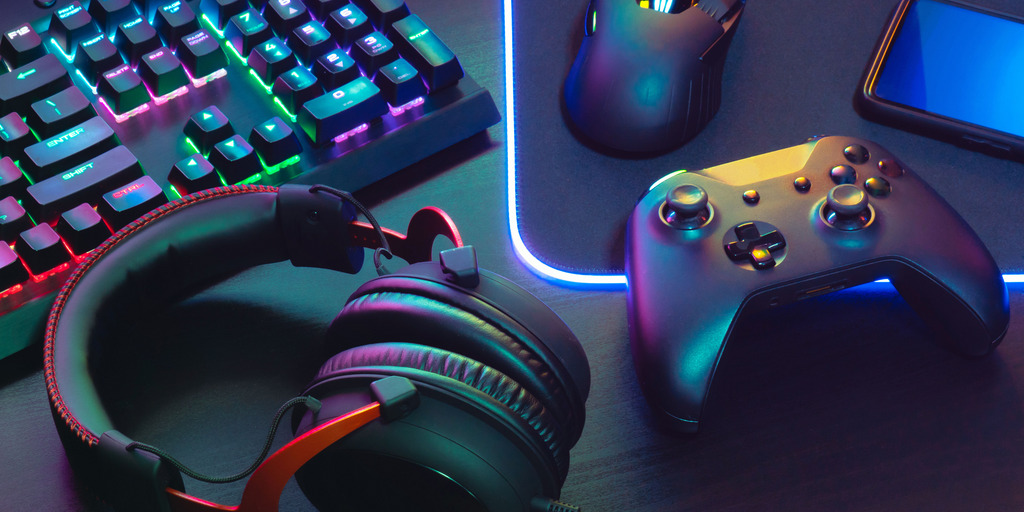
Game controllers are more than plastic shells with buttons. They are the bridge between the player and the worlds they love. Over the past four decades, the controller has evolved from a simple stick with a single button into a precision tuned instrument capable of reading motion, vibration, pressure, and even biometrics in some prototypes. These changes have shaped how we play, how we feel during games, and how deeply we connect to characters and stories. The journey is full of creativity, trial and error, and major leaps in design that changed gaming forever.
The Early Days of Simple Controls
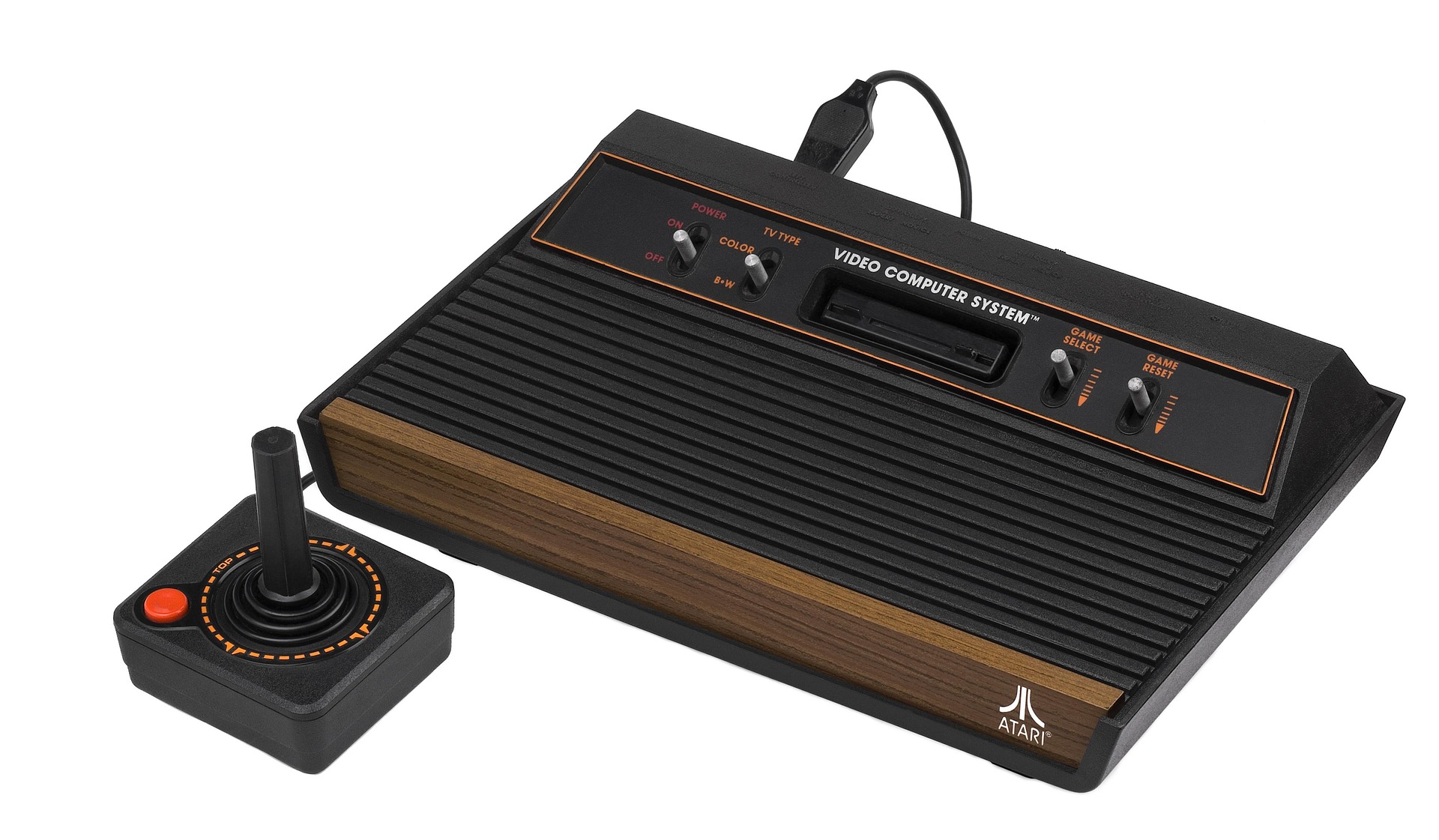
Gaming began with a very humble input device. The Atari joystick, with one stick and one red button, defined an era. There were no triggers, no shoulder buttons, and no thumbsticks. Yet it worked because games were simple, direct, and often relentless. Those early devices laid the groundwork for the idea that gaming did not need complex hardware to create excitement. It proved that a controller should feel intuitive, even if it uses only a few inputs.
Nintendo Introduced the D Pad Revolution
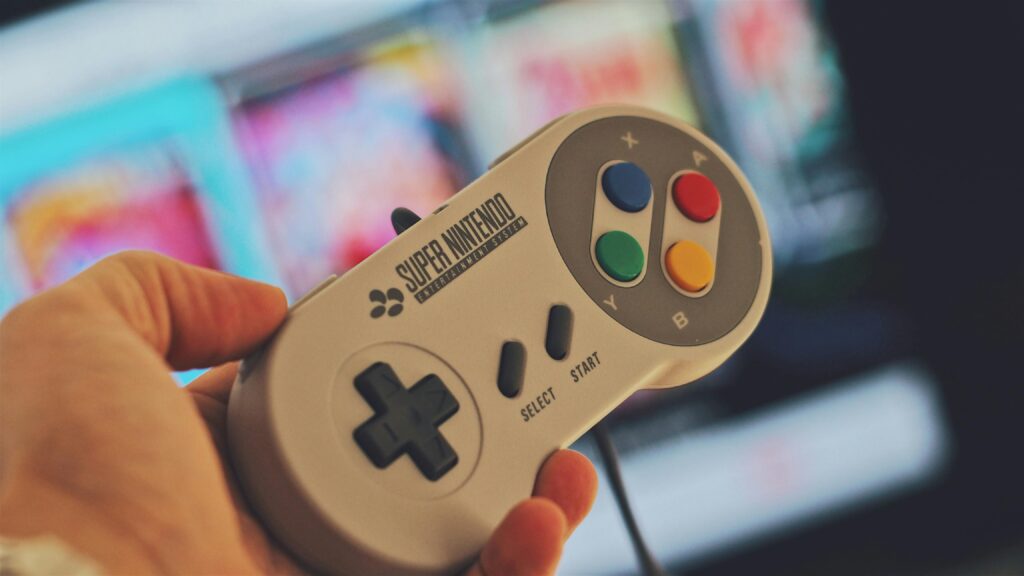
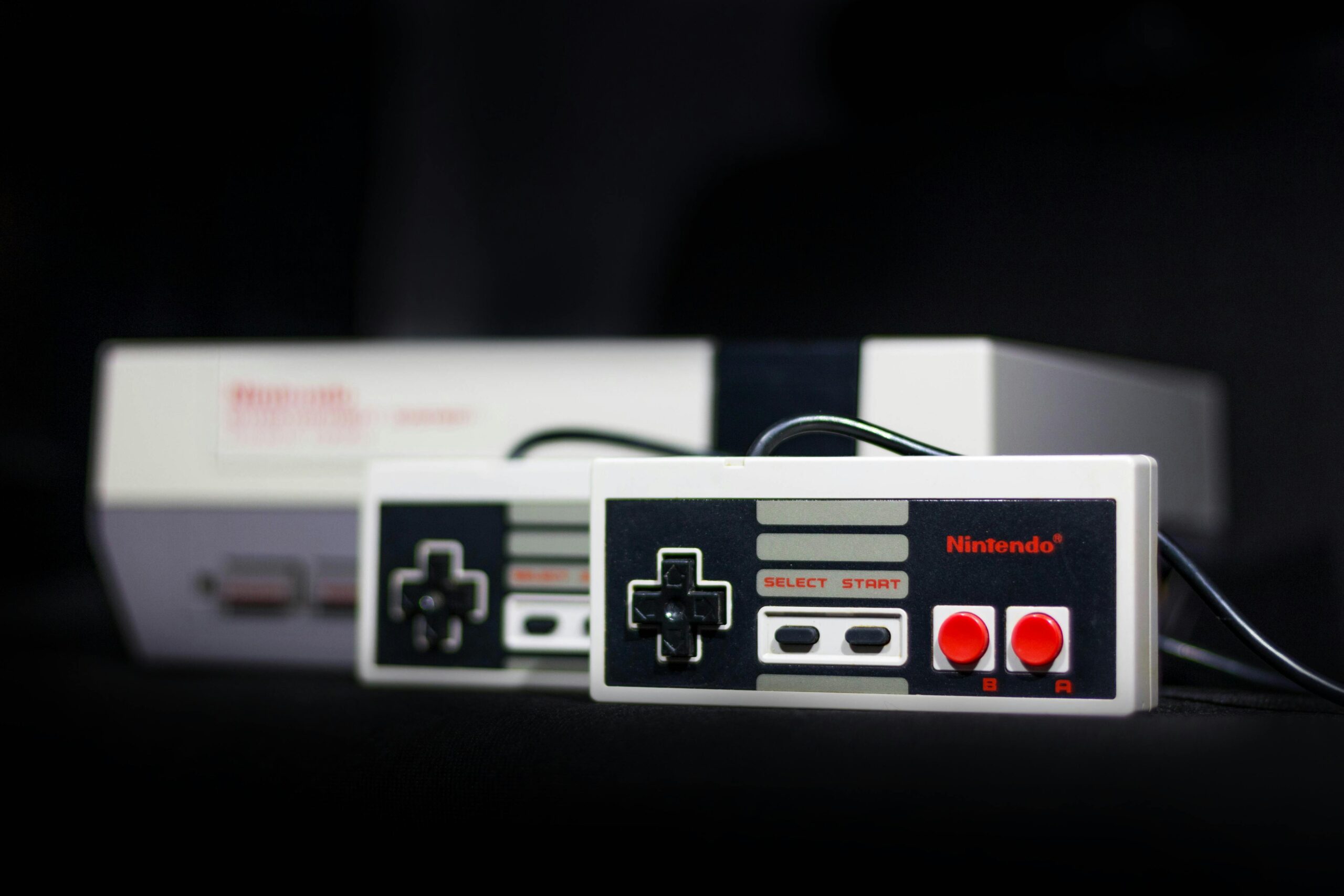
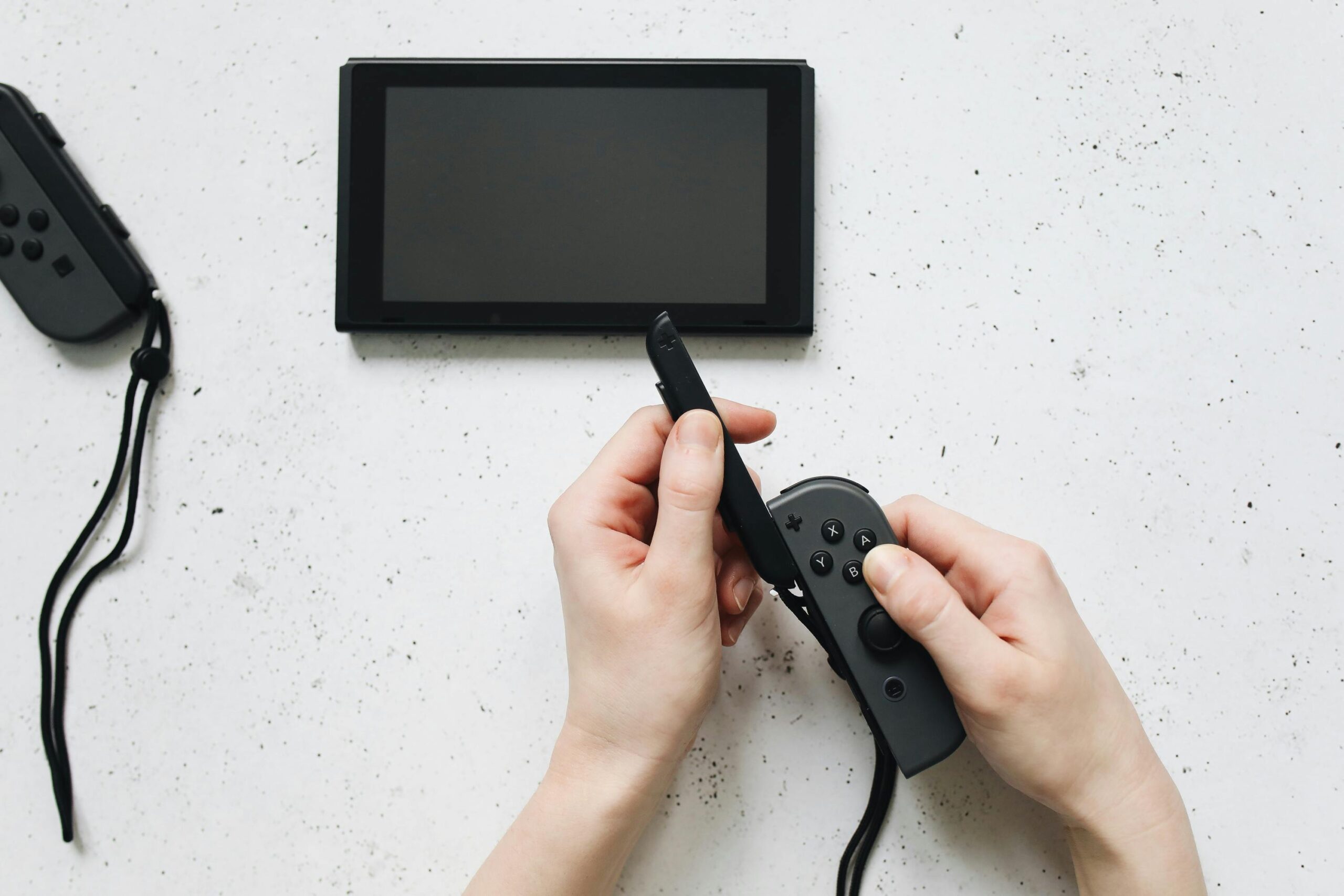
The game controller world changed completely when Nintendo arrived with the NES. The D pad was a breakthrough. It made movement sharper, faster, and far more accurate than a joystick. Nintendo continued pushing boundaries with the Super Nintendo controller, introducing shoulder buttons that gave players a new dimension of control. These innovations influenced almost every controller that followed, and the company still shapes the market today through products like the Nintendo Switch, showing that creativity can drive the entire industry forward.
PlayStation Brings Analog Precision
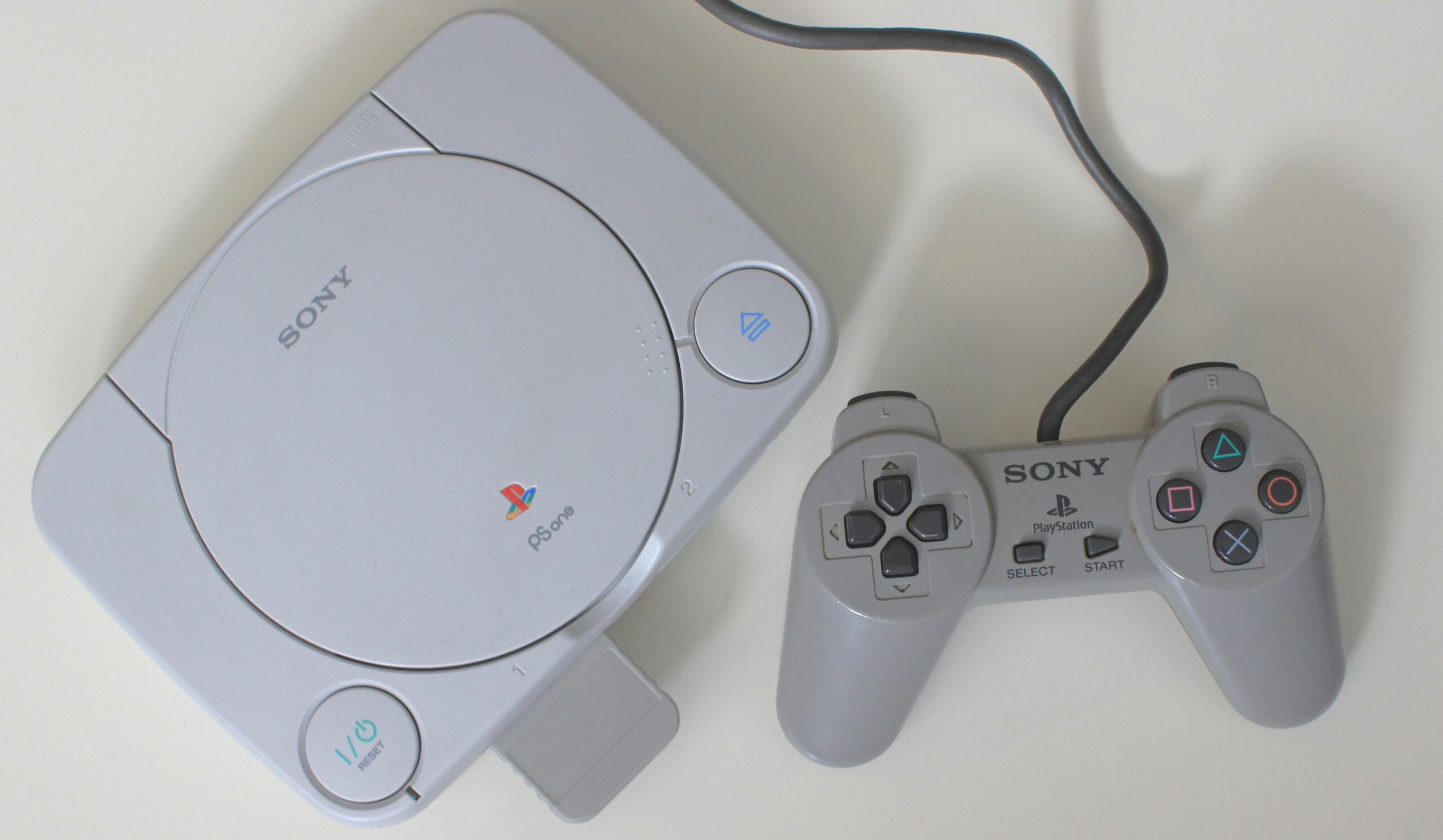
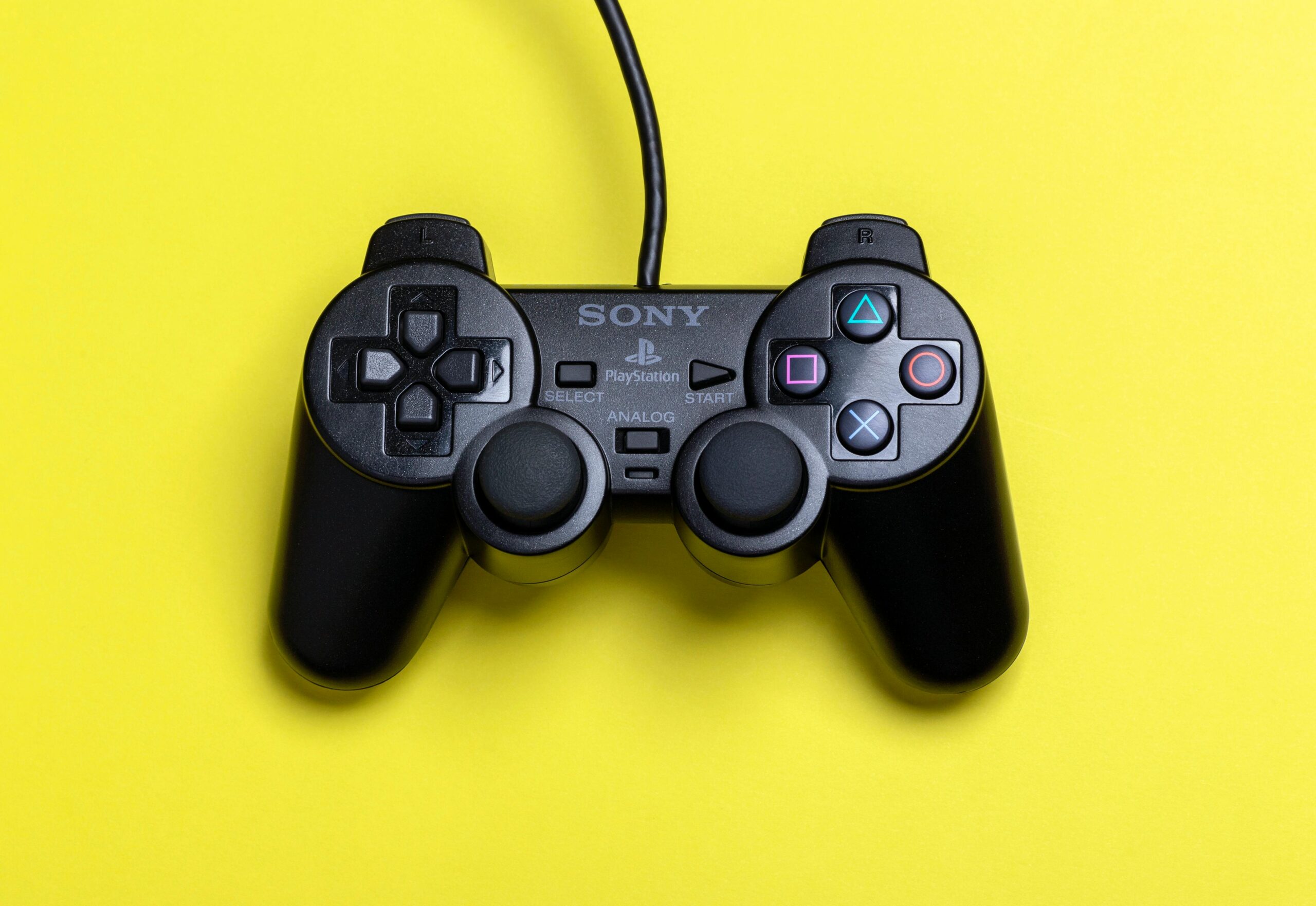
When the original PlayStation launched, the gaming world was finally ready for 3D movement. Sony introduced the Dual Analog and later the DualShock, a controller that combined precise sticks with vibration feedback. Every action felt more alive. Driving games became smoother, shooters felt more responsive, and the overall experience grew dramatically more immersive. The DualShock eventually became one of the most influential designs in gaming history, inspiring many hardware competitors and shaping how developers built games during the early 3D era.
Xbox Enters with Power and Comfort
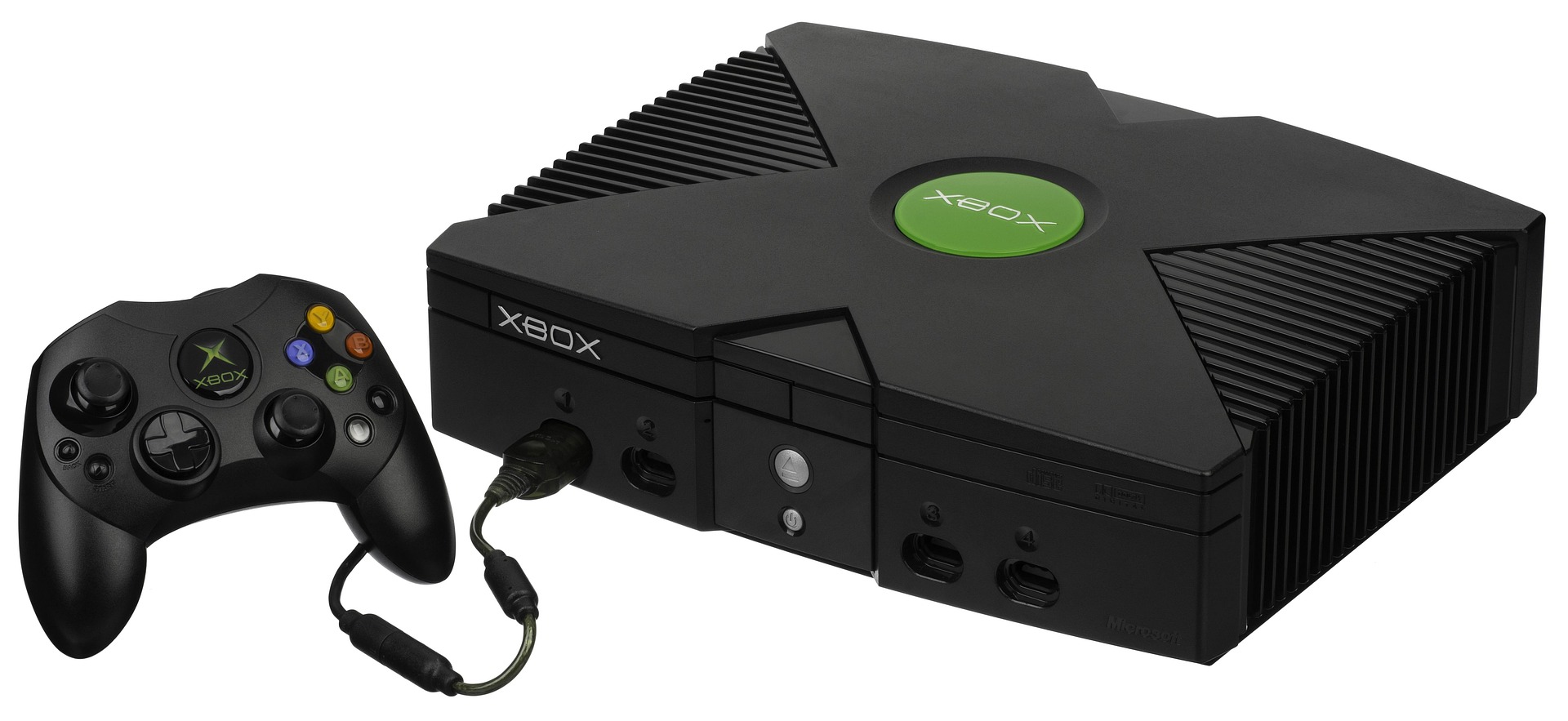
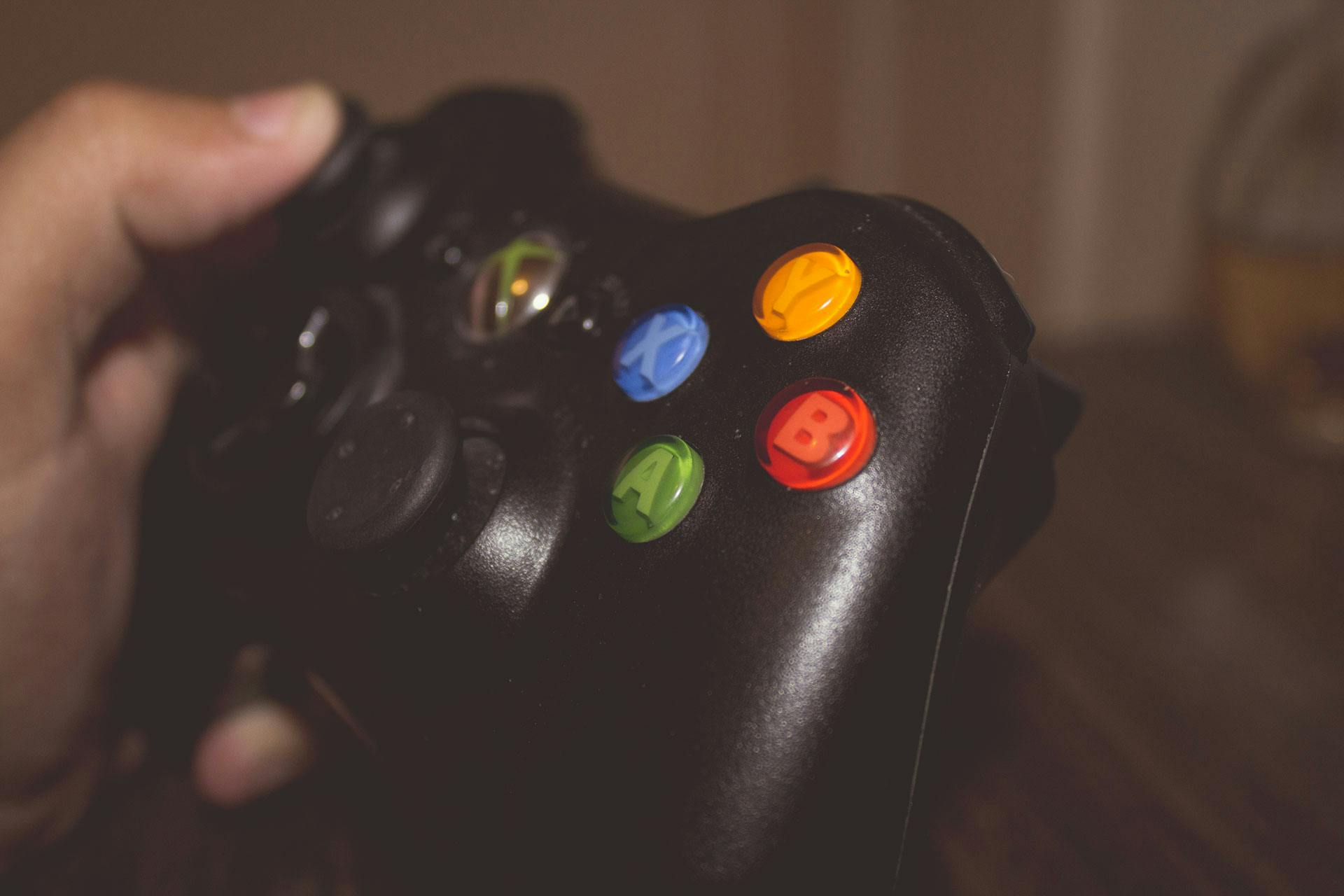
When Microsoft entered the market, they prioritised ergonomics. The original Xbox controller, often nicknamed the Duke, was large but surprisingly comfortable for players with bigger hands. Microsoft refined the idea with the Xbox 360 controller, a device still considered one of the best ever made. Its curves, triggers, and stick placement created a layout that felt natural in long sessions. The modern Xbox Wireless Controller continues this tradition with subtle improvements that focus on comfort and precision rather than reinventing the wheel.
Motion Control Attempts and Experimentation
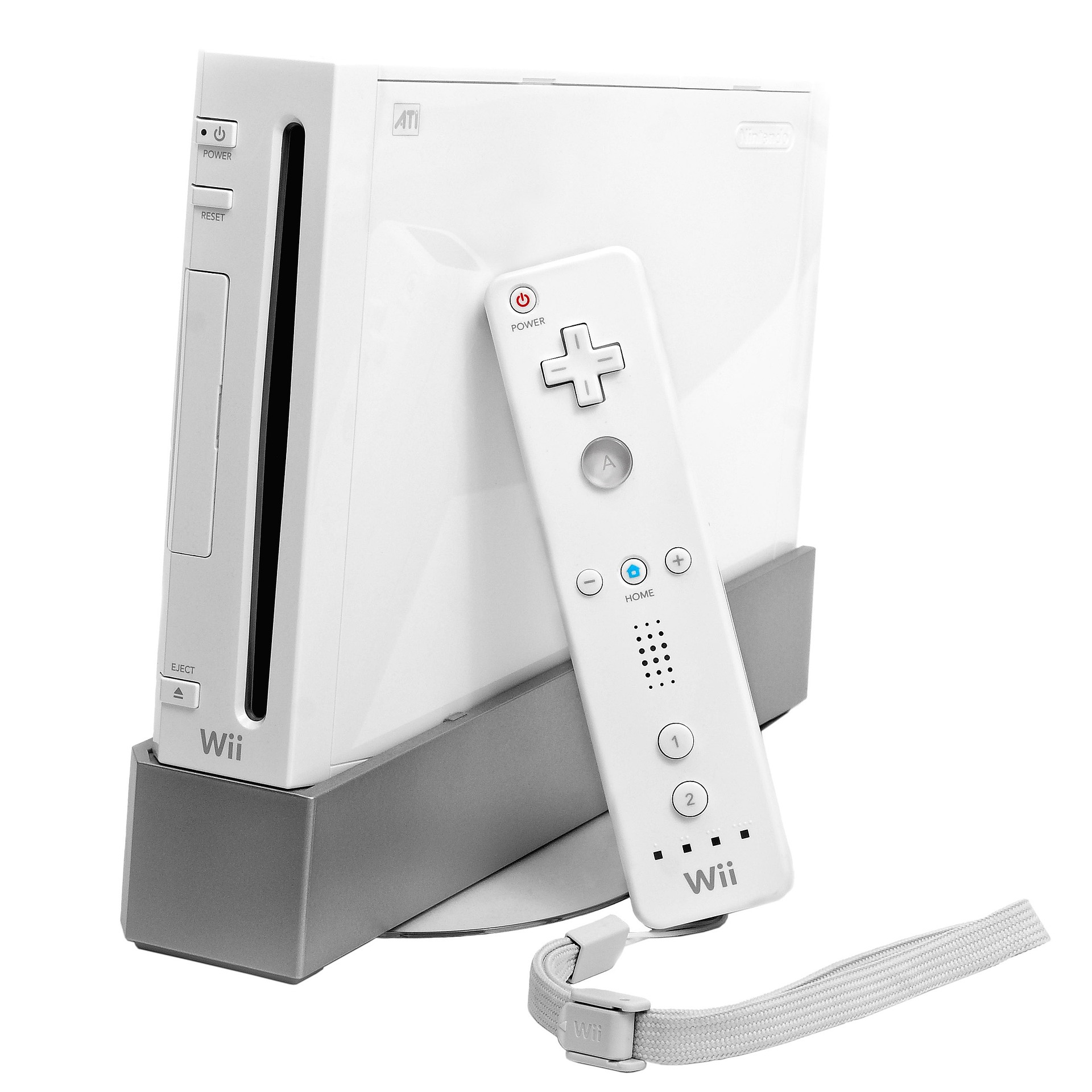
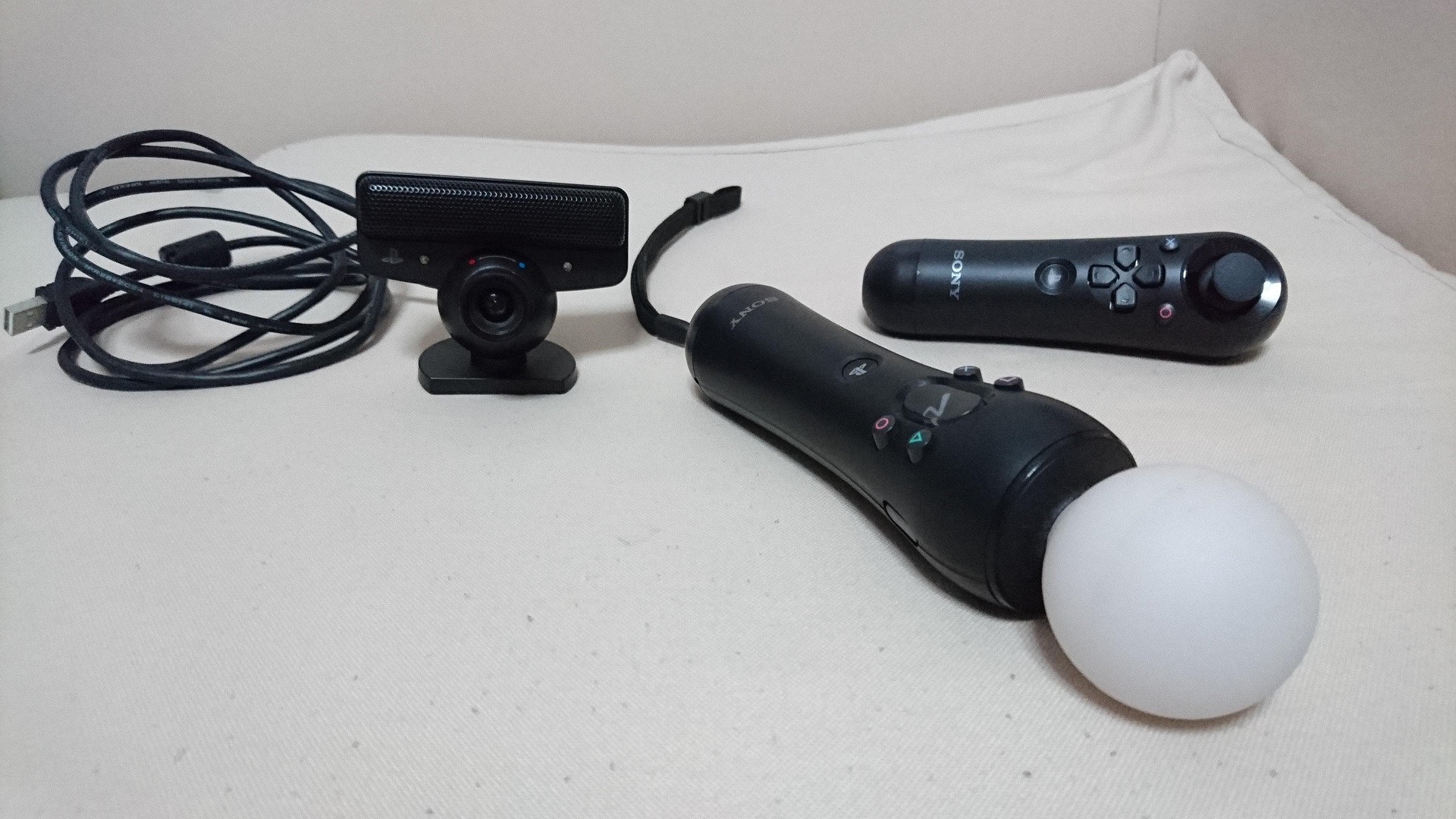
Gaming always moves forward through experimentation, and the mid 2000s proved it. Nintendo changed the landscape again with the Wii Remote, a controller built around movement rather than buttons. While not perfect, it opened gaming to millions of new players who felt intimidated by traditional layouts. Sony responded with the PlayStation Move, and Microsoft took a bold step with Kinect, a controller free system that tracked full body movement. These ideas pushed the industry in new directions, even if not all experiments lasted.
The Modern Era of Precision and Connectivity
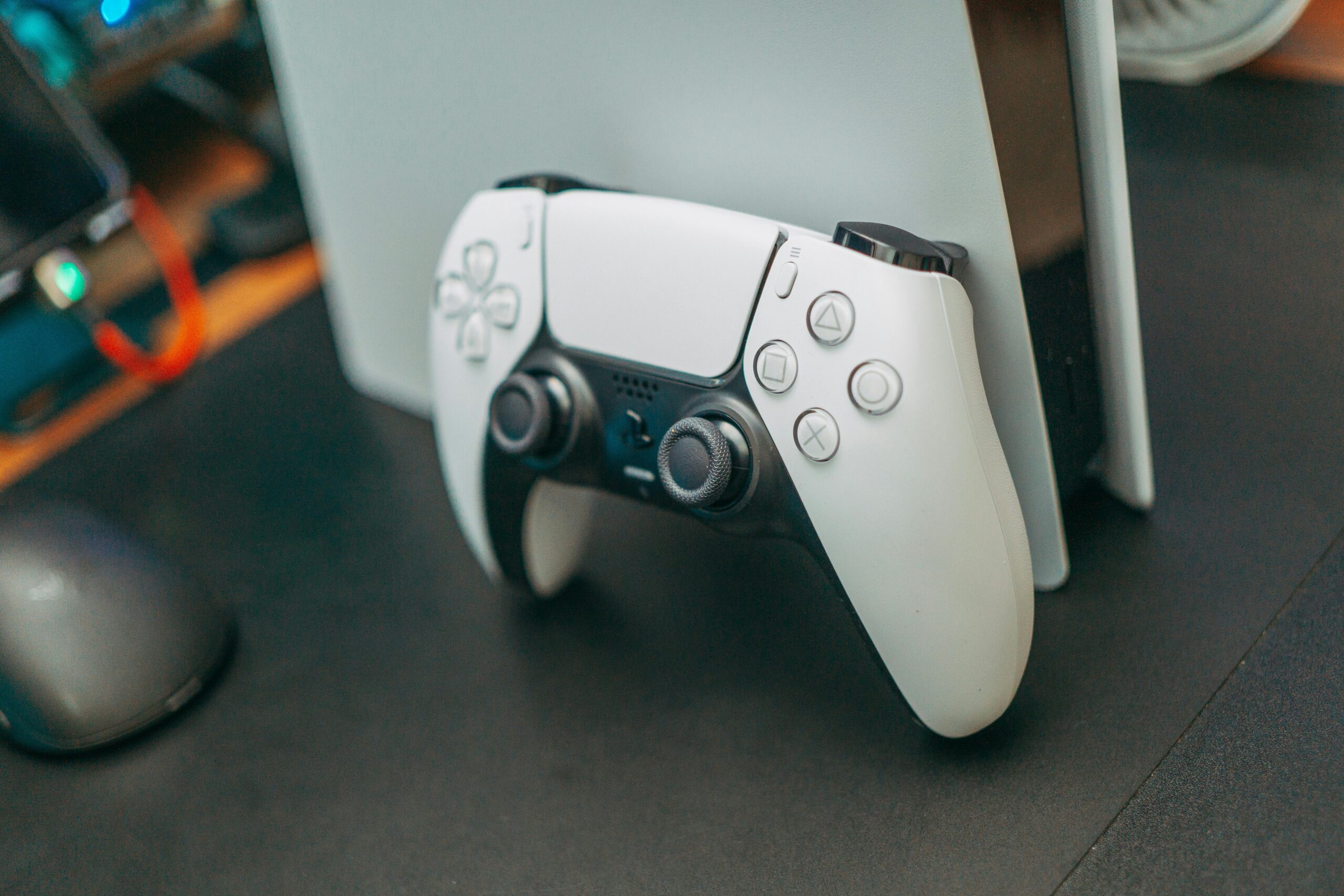
Today’s controllers are incredibly advanced. Players expect textured grips, dynamic triggers, precise vibration, and seamless wireless connectivity. Sony’s DualSense controller introduced adaptive triggers and incredibly detailed haptic feedback that allowed developers to simulate resistance, tension, and environmental sensations. Xbox continued refining their classic layout while adding low latency connections and expanded customisation through the Elite controller line.
Controllers now integrate with cloud gaming, cross platform systems, and portable devices. Some models can even connect directly to mobile phones or PCs without adapters. The shift reflects a gaming culture that values flexibility and immersion as much as pure performance.
The Future of Controllers
The evolution is far from over. Developers explore features like biometric scanning, pressure sensitive grips, advanced motion sensors, and modular layouts that allow players to rebuild the controller to fit their style. Companies like PlayStation and Xbox continue to expand pro level customization. Cloud gaming may eventually reshape controllers entirely, removing the need for local hardware while keeping the familiar feel of a handheld device.
What remains constant is the emotional connection between the player and the controller. It is the object players grip during victory, frustration, discovery, and escape. As gaming continues to evolve, so will the tools that help us experience it, keeping the controller at the heart of how we play.
Final Thoughts
From a single red button to advanced adaptive triggers, game controllers have transformed alongside the games they support. Each generation found new ways to bring players closer to virtual worlds. The evolution reflects creativity, competition, and the belief that gaming should always feel natural and exciting. The controllers of tomorrow will build on everything that came before, but their purpose will remain the same. They connect people to the stories they love, and that connection only grows stronger as the technology advances.
Frequently Asked Questions
What was the first major game controller innovation?
Nintendo’s introduction of the D pad changed gaming forever, creating a more precise way to move in 2D games.
Why do modern controllers feel so advanced?
Because they combine features like haptic feedback, adaptive triggers, wireless low latency tech, and advanced ergonomics.
Are motion controls still popular today?
Motion controls still exist, but the industry shifted toward hybrid designs that mix traditional layouts with immersive feedback systems.
Which company shaped controller design the most?
Nintendo, PlayStation, and Xbox all contributed major innovations that influenced the entire industry.

Hi, I’m Luke. I write and edit for GameDayRoundup, covering everything from football stories to gaming and esports news. I enjoy digging into the details behind each topic so readers get something clear, honest and interesting every time they land on the site. I spend most of my time researching new stories, planning fresh ideas and making sure our content feels real and enjoyable to read.