
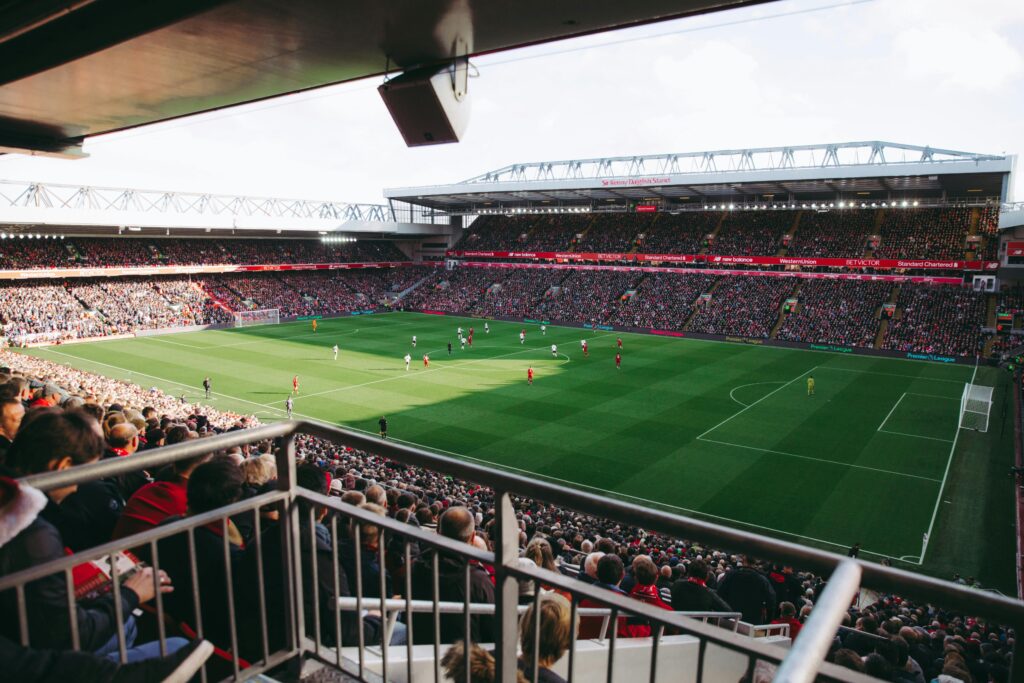
Home-field advantage has always been one of the most fiercely debated topics in sport, and football is no exception. Some fans believe it is a psychological myth, while others insist it is a proven scientific reality that affects every match played around the world. Over the years, I have found myself leaning strongly toward the latter. When you watch a team transform in front of their home supporters, the difference is undeniable. There is something about familiar surroundings, emotional support and local energy that changes the behaviour of players, coaches and even referees. The question is not whether home-field advantage exists, but how deep the impact truly goes.
The Psychological Edge of Playing at Home
One of the biggest factors behind home-field advantage is psychology. Players perform differently when surrounded by tens of thousands of fans cheering their every touch. Confidence increases, decision-making becomes more instinctive and the pressure to hesitate fades. In contrast, away teams often face an environment designed to unsettle them. Travel, unfamiliar hotels and crowd hostility all play a part.
Sports psychologists have studied this effect for years, and many findings point toward the same conclusion: athletes experience a measurable performance boost at home. Research such as the overview published on Home Advantage in Sport has documented how noise levels, crowd positivity and environmental familiarity all contribute to faster reaction times and reduced anxiety. In my opinion, home fans act as an emotional amplifier, elevating players during tough moments and making them feel supported even when the game turns chaotic.

Environmental and Physical Factors
Home teams benefit from the physical familiarity of their own stadium. They know every blade of grass, the turf’s pace, the bounce of the pitch and even how the wind behaves inside the stands. This might seem insignificant, but these details matter—especially at the elite level where margins are razor-thin.
Studies by major football organisations such as the Premier League have noted that playing style is often shaped by environmental consistency. Some stadiums have narrow pitches, others have wider ones, and some clubs maintain grass in ways that favour their tactical approach. When teams visit unfamiliar conditions, it can disrupt rhythm and timing, even if only by a fraction. In high-level football, a fraction is enough to lose control.
Referee Influence and Crowd Pressure
Another controversial factor in home-field advantage is officiating. While referees aim to remain neutral, countless studies show that large home crowds can influence close decisions subconsciously. Noise, pressure and emotional reaction can sway marginal calls. I do not believe referees intentionally favour home teams, but I do think the atmosphere creates tiny psychological biases that are almost impossible to avoid.
Organisations such as IFAB’s Laws of the Game have analysed referee behaviour, and the findings often reveal that human emotion plays a role in decision-making, especially in high-stakes matches. When tens of thousands of voices erupt at once, the referee feels it—even if they would never admit it.
Travel and Fatigue: The Hidden Cost
One of the more underrated aspects of home-field advantage is travel fatigue. Away teams must deal with long journeys, disrupted sleep, unusual pre-match routines and differences in climate. Even short domestic travel can subtly reduce performance levels. Home players, meanwhile, sleep in their own beds, stay close to their usual training facilities and maintain their familiar warm-up schedules.
Scientific bodies such as the Australian Institute of Sport have highlighted how travel disrupts circadian rhythms and elevates physical stress markers. Over the course of a season, this impact builds up, leading to consistent home dominance across most leagues.

The Emotional Power of the Crowd
This, to me, is the most powerful element of all. Football is emotional. It is chaotic, thrilling, unpredictable and deeply personal. When players walk out into a stadium filled with their own supporters, they tap into an energy that is impossible to replicate elsewhere. The roar after a tackle, the eruption after a goal, the collective disbelief after a near miss—these moments fuel players in ways that data alone cannot explain.
Some of the most iconic atmospheres in world football, including those recognised by organisations like UEFA’s club profiles, are proof that emotional intensity can shift momentum instantly. I have always believed that home crowds can change the course of a game—not because of superstition, but because players respond to the feeling of being carried by tens of thousands of voices.
Is Home-Field Advantage Declining?
In recent years, some analysts have argued that home-field advantage is weakening. Improvements in travel, better sports science and more professional routines are often cited as reasons. While there may be some truth to this, I do not believe home-field advantage will ever disappear entirely. As long as football is played in front of passionate crowds, emotion will always influence performance.
The rise of analytics may reduce unpredictability, and modern coaching may neutralise some environmental differences, but nothing can completely remove the psychological and emotional impact of playing at home. Football is a sport built on human feeling, and home fans remain one of the most powerful forces in the game.
Conclusion
Home-field advantage is not a myth. It is a complex mix of psychology, environment, emotion, physical preparation and human behaviour. While experts continue to study it scientifically, anyone who has ever watched a team transform in front of their home supporters already understands the truth. Playing at home changes everything—from confidence to decision-making to momentum. It is one of football’s most powerful dynamics, and in my opinion, it will remain that way for as long as the game exists.
Frequently Asked Questions
What causes home-field advantage in football?
Home-field advantage is caused by a mix of psychological confidence, crowd support, familiar surroundings and reduced travel fatigue. Players perform better in environments where they feel comfortable, supported and emotionally energised.
Does crowd noise really influence match outcomes?
Yes, crowd noise can subtly impact a game by boosting home players’ confidence and adding pressure to the away team. Some studies show that loud home crowds may also influence marginal referee decisions subconsciously.
Is home-field advantage weakening in modern football?
Some experts believe improvements in travel, coaching and preparation have reduced home-field advantage, but most evidence shows it still plays a major role. Emotional energy, stadium familiarity and crowd influence continue to shape match outcomes.

Hi, I’m Luke. I write and edit for GameDayRoundup, covering everything from football stories to gaming and esports news. I enjoy digging into the details behind each topic so readers get something clear, honest and interesting every time they land on the site. I spend most of my time researching new stories, planning fresh ideas and making sure our content feels real and enjoyable to read.