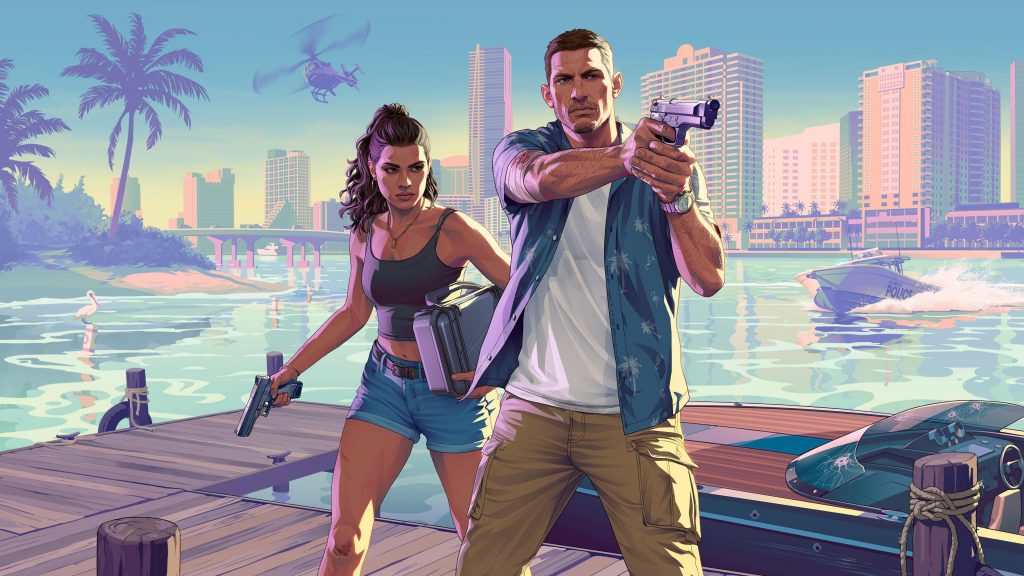

For decades, story driven games have been the heart of gaming. They have given players emotional journeys, memorable characters and rich worlds that stay with them long after the credits roll. However, the landscape is changing as live service gaming becomes the dominant force in the industry. These constantly updated titles are designed to keep players engaged for years at a time, and more importantly from the perspective of publishers, they keep players spending continuously. While many enjoy these experiences, their rise has created an undeniable shift in what major studios prioritise. Increasingly, it feels as though single player, narrative driven games are being pushed aside in favour of projects that promise endless income. For those of us who love story games and the craftsmanship behind them, there is a growing fear that their future is being sacrificed for the sake of profit.
The Rise of the Live Service Model
Live service games have exploded in popularity over the last decade, and it is easy to understand why publishers are investing so heavily in them. A single title can generate revenue for years through expansions, cosmetic items, seasonal events and battle passes. This steady stream of income is far more predictable than the traditional model of releasing a single player game that sells strongly at launch and then gradually fades from view. Financial security is a powerful incentive, and the success of games like Fortnite and Apex Legends has only intensified the shift towards these models.
Younger players in particular have embraced this style of gaming. Many prefer quick jump in sessions, competitive matchups and the excitement of constant updates. The social aspect also plays a huge role, since live service titles allow friends to group up, compete and chat in a shared environment. For publishers, this younger audience represents a long term market that they are eager to build around.
The problem arises when the enormous budgets required to produce these games begin to eat into the resources that once supported story driven projects. Studios that used to create rich single player adventures are now being tasked with chasing the next big live service hit. The industry has become fixated on games that never end, and that focus inevitably leaves less room for narrative experiences that require years of careful development and offer no guarantee of long term profitability.
The Decline of Story Driven Investment
Story games have always been expensive to make, but the modern AAA market has magnified that challenge. Large scale narrative adventures often take several years to develop, require huge teams and rely on a strong launch window to recoup their investment. When they succeed, they can be extraordinary, but when they fail, they can be financially devastating. In comparison, live service games may cost a lot upfront, but they hold the promise of continued earnings. From a business standpoint, many executives see them as the safer bet.
This has led to a slow but noticeable reduction in high budget single player releases from major publishers. Some companies have cancelled narrative projects during development, and others have forced studios known for storytelling to pivot toward multiplayer concepts. Even when a narrative game is approved, it sometimes comes with pressure to include ongoing monetisation, which can undermine the creative vision.
As the focus shifts, fans of story driven games feel increasingly neglected. Many of us grew up exploring open worlds, solving mysteries and becoming attached to characters in ways that only interactive storytelling can achieve. Seeing fewer of these games reach the mainstream is disheartening, especially when the market is clearly capable of supporting them. The success of titles such as God of War, The Last of Us, Cyberpunk 2077 and Elden Ring proves that players still want narrative depth. The issue is not demand, but perception. Publishers seem more interested in chasing infinite profit than cultivating artistic expression.
Cultural Shifts and a Changing Player Base
Another factor contributing to the decline of story driven games is the changing expectations of younger gamers. Many new players have grown up in an era where online connectivity is the norm and where social engagement drives much of the gaming experience. The appeal of dropping into a fast paced battle royale with friends often outweighs the quieter satisfaction of playing through a lengthy narrative alone. This cultural shift is not inherently wrong, but it reshapes the types of games that dominate the market.
When millions of players log into the same online world every day, companies naturally pay attention. Publishers chase trends, and at the moment the trend heavily favours multiplayer competition and repeatable content loops. Story games struggle to compete with this model because they require time, patience and emotional investment, qualities that do not always align with shorter attention spans or the desire for constant excitement.
This shift affects development priorities in very direct ways. Studios shape their pitches around what executives believe will capture the widest audience, and that often means emphasising ongoing content over crafted storytelling. As a result, even players who still love story focused games find their options shrinking. The fear is not just that story games are becoming rarer, but that they may eventually be treated as niche products rather than core pillars of the industry.
The Solution
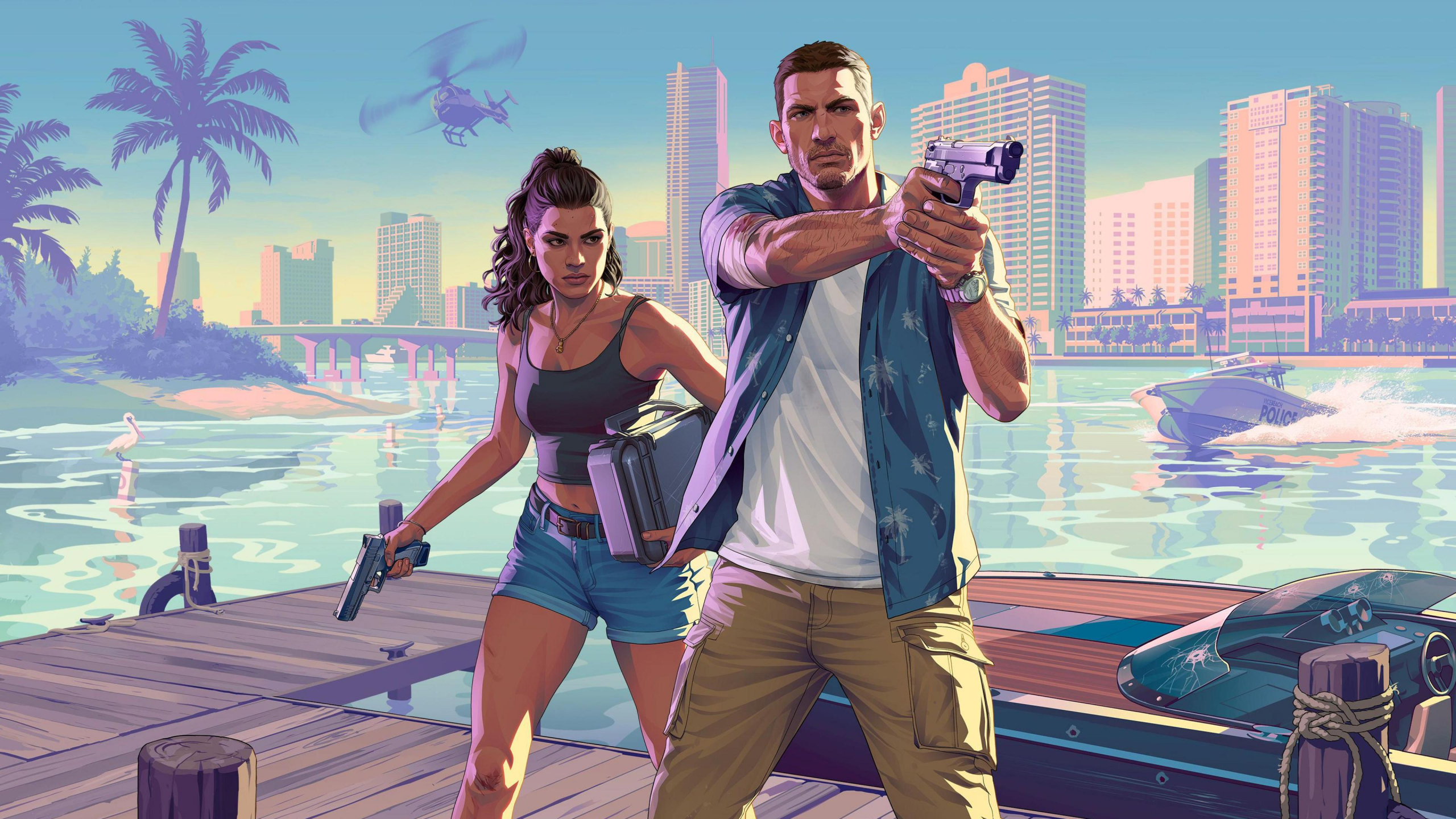
There is a model that proves story driven games and live service games do not need to compete. They can coexist within the same release and thrive equally. Grand Theft Auto V is the perfect example of how both worlds can operate in harmony. The game launched with a full length narrative campaign that delivered a cinematic, character driven experience on a scale few studios have ever matched. Players could immerse themselves in a detailed world, enjoy a complete story and walk away satisfied even if they never touched the online component.
Then came GTA Online, a live service ecosystem built on top of that narrative foundation. It allowed the game to evolve constantly with new updates, heists, vehicles and social spaces. Players who wanted competition and ongoing content had an entire world waiting for them. The result was a product that appealed to two massive audiences, and instead of replacing the story campaign, the live service element enhanced the overall value of the game. Rockstar created a model where the narrative adventure stands on its own, while the online mode generates revenue that sustains the franchise for years.
This approach shows that profitability does not have to come at the expense of storytelling. It proves that publishers can invest in rich single player experiences while also benefiting from the long term success of an online mode. When both elements are created with care, everyone wins. Players who love story games get the immersive journeys they crave, and publishers gain reliable income from the live service side. It is a balance the industry would benefit from adopting more often, as it ensures the future of story driven games without ignoring the financial realities of modern development.
Conclusion
Live service gaming is not inherently bad, and it has created memorable experiences for millions of players. The issue lies in the imbalance it has created. As publishers funnel money and talent into projects designed to last forever, story driven games risk being left behind. The market is large enough for both to coexist, yet the current direction suggests that narrative adventures may become increasingly endangered.
For those who love story games, this is a genuine concern. These experiences offer emotional depth, artistic value and immersive worlds that no live service model can replicate. If the industry continues to prioritise endless profit over meaningful storytelling, we risk losing one of gaming’s most powerful and expressive forms. The hope is that publishers will eventually recognise the importance of narrative experiences and restore a healthier balance before story games fade into the background permanently.
Frequently Asked Questions
Do story driven games still have a place in the modern gaming industry?
Yes, story driven games continue to have a loyal audience and often sell extremely well when crafted with care. The concern is not demand, but the shift in publisher priorities toward live service projects that promise longer and more predictable revenue.
Can live service games and single player games exist in the same release
They absolutely can, and GTA V is the strongest example. A large scale narrative campaign can launch alongside a live service mode, giving players both a rich story and an evolving online experience without sacrificing either side.
Will publishers eventually return to supporting more narrative focused titles
It is possible, especially if successful examples continue to prove that high quality story games can generate strong sales. If the industry adopts hybrid models similar to Rockstar’s approach, publishers may see that storytelling and long term profit can coexist without conflict.

Hi, I’m Adam and I cover a mix of football, gaming and general sports stories for GameDayRoundup. I like writing in a way that keeps things simple, direct and enjoyable for everyone, whether you follow the sport every day or just check in now and again. I always try to bring a bit of personality to the articles I work on, along with careful editing to make sure everything is accurate and easy to understand.