
There is a moment in every fight fan’s life where it clicks. You look at a former champion, still only in their early 30s, and you realise the window has already closed. Not fully, not forever, but enough that the magic feels harder to summon. The reactions look a fraction slower. The confidence is still there, but the body starts negotiating. And in the UFC, that negotiation tends to begin earlier than most people expect.
Fans often talk about a fighter’s “prime” like it is a tidy stretch, somewhere between 28 and 35, where everything aligns. In reality, UFC careers rarely follow neat timelines. Many fighters peak earlier because of a brutal combination of damage, weight cuts, training demands, and a sport that evolves fast enough to punish anyone who stands still.
The UFC is not one sport, it is multiple sports stacked together
When people compare MMA to boxing, or even to other combat sports, they miss something important. UFC fighters are not training for one style. They are training for five-minute rounds that can include high-paced wrestling, scrambling on the fence, long clinch battles, striking exchanges, and constant threat changes.
That variety is part of what makes MMA thrilling. It also means a fighter’s body is absorbing different kinds of stress every week in camp. Not just impact, but compression, torque, and the kind of fatigue that does not show up on a highlights reel.
It is why you will hear so many veterans talk about “miles.” Not age, miles. Because a fighter can be 30 and already feel 37, depending on how many hard camps and punishing fights are behind them.
Damage adds up, even when you win
One of the biggest myths in MMA is that damage only accumulates in losses. The truth is uglier. Fighters can take serious damage in dominant performances. They can win a decision and still leave with fractures, concussions, knee issues, and long-term inflammation that changes how they move months later.
Look at the careers that burned brightest, fastest. Cain Velasquez looked like the future of heavyweight MMA, but the combination of injuries and wear made long periods of momentum impossible. TJ Dillashaw reached an astonishing technical peak, but repeated layoffs and physical setbacks slowed the rhythm that elite fighters rely on. Even fighters who seem “durable” can reach a point where their durability becomes the thing that shortens their prime.
This is why the UFC’s approach to athlete performance has become a major talking point in recent years. The UFC Performance Institute was built around the reality that elite training is no longer enough. Recovery, monitoring, and longevity have to become part of the strategy. You can explore the UFC’s performance and sports science approach via the UFC Performance Institute.
Weight cutting quietly accelerates the decline
If you want a single factor that helps explain why UFC fighters peak earlier than fans expect, weight cutting is high on the list. Many fighters are not just dieting. They are draining water, manipulating sodium, and stressing their cardiovascular system repeatedly, sometimes several times a year.
The first few cuts in a career might feel manageable. Then the body changes. Cuts get harder. Rehydration gets less predictable. Recovery takes longer. Training camps feel heavier, even when the fighter is “in shape.”
Weight cutting is also one of those areas where a fighter’s prime can be stolen without the audience noticing. A fighter can look great on fight night and still be paying for the cut weeks later, with compromised training quality and increased injury risk.
Many commissions and medical bodies have pushed for safer practices, and the conversation has grown beyond fan debates. Regulatory guidance and medical discussions around weight management often connect back to the work overseen by athletic commissions and the broader regulatory community, including the Association of Boxing Commissions and Combative Sports.
The sport evolves faster than the human body
MMA changes quickly. A fighter can be a nightmare match-up in 2018, and look outdated by 2022, not because they got worse, but because the baseline got better. Wrestling entries improve. Defensive footwork becomes cleaner. Counter-grappling gets sharper. Striking becomes less reckless and more efficient.
This is why some primes look short. The division catches up. Training methods spread. A new generation arrives having studied the previous generation like homework.
A clear example is how quickly the standard for “complete” fighters has changed. Years ago, a dangerous striker with good takedown defense could rule a division. Now, contenders are expected to threaten everywhere, with fewer obvious weaknesses. Fighters who peaked early often did so because they were ahead of the curve. Once the curve moved, their advantage disappeared.
The hidden cost of hard sparring and constant camps
Fans see one fight night. Fighters live through weeks of preparation that can be more damaging than the bout itself.
Hard sparring is not new, but the intensity of modern MMA camps can compress huge amounts of damage into short timeframes. Even fighters who “only” fight twice a year can have camps that feel like mini careers. Add in travel, media obligations, injuries that require altered training, and the mental load of staying sharp, and you get a recipe for earlier decline.
Some elite gyms have shifted toward smarter sparring and more technical training, partly because the sport has learned painful lessons in real time. But not every camp is built the same, and not every fighter has the leverage to change their environment.
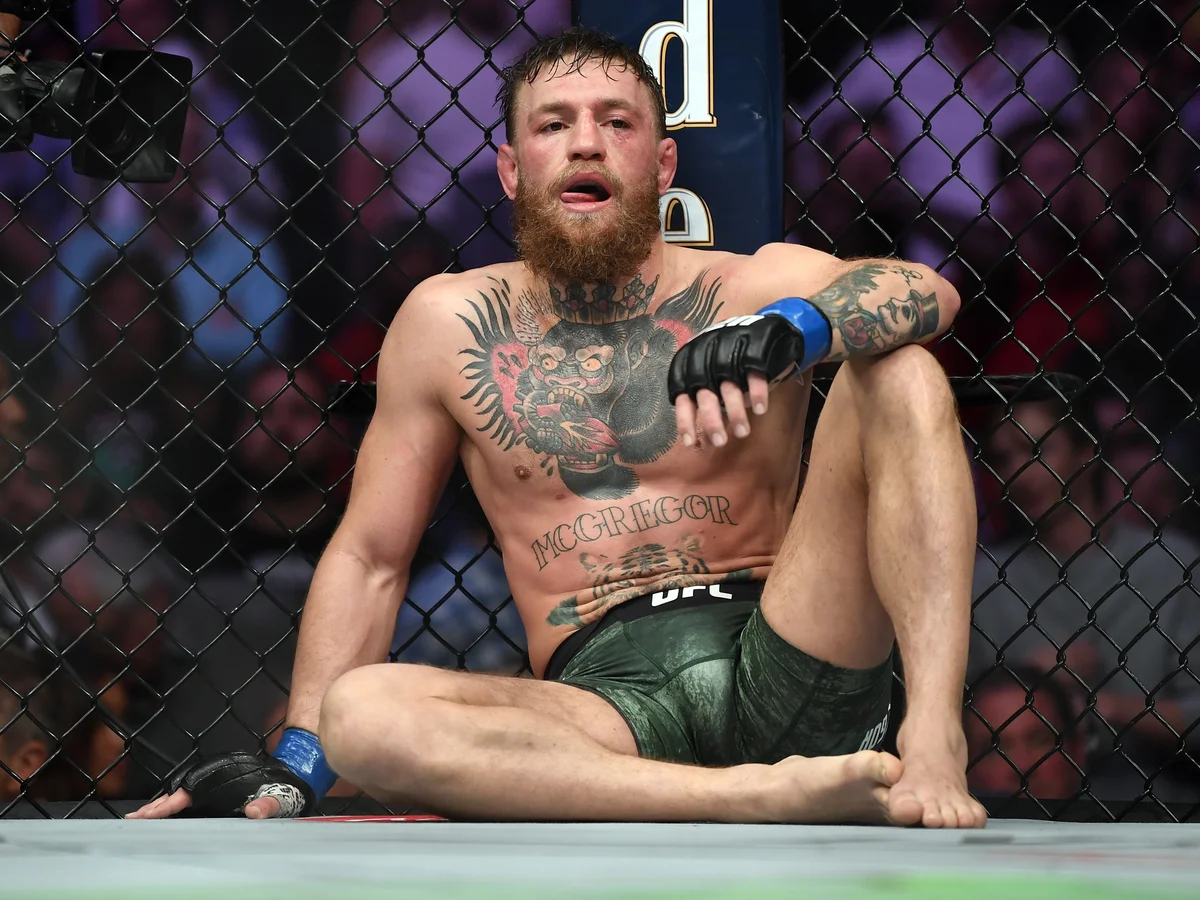
Prime is different by weight class, and fans rarely account for that
Not all primes are equal. Lower weight classes often depend on speed, volume, and reaction timing. Those qualities are usually the first to fade. Featherweights and bantamweights can look “older” sooner because their game is built on margins.
Heavyweights, on the other hand, can maintain danger later because power and timing age differently. A heavyweight can lose a step and still change a fight with one clean shot. That does not mean heavyweights age better overall. It means their decline can look less obvious until it suddenly becomes unavoidable.
This is one reason fans are frequently surprised. They use one definition of prime across every division, when the reality is far more specific.
Championship pressure shortens careers, even for winners
Being champion is not just about winning fights. It is a lifestyle of constant readiness. Short notice opponents, longer media cycles, higher expectations, and the psychological weight of knowing every contender is studying your habits.
Champions often take more damage than people realise because they fight the best possible opponent every time. Even when they win, the physical cost is higher. The mental cost is higher too. Some fighters look like they “fell off” when really they hit the emotional wall that comes from years of living in survival mode.
This is where the fan conversation can become unfair. We treat a decline like a mystery, but it is often just the bill arriving.
You may also like: Islam Makhachev: The UFC’s Most Dominant Champion?
Why fans should rethink what “peak” actually means
In the UFC, peak is not always a single year where everything is perfect. Sometimes it is a short stretch where a fighter’s athleticism, confidence, and body health align at the same time. That alignment is rare, and it is fragile.
Some fighters peak early because they reached the elite level younger than their body could sustain. Others peak early because their style relied heavily on speed and explosiveness. Others peak early because the sport moved on and forced them into reinvention.
And sometimes, a fighter peaks early simply because this sport asks too much, too often, from people who are already operating at the edge of what the human body can tolerate.
If you are a fan, it is worth remembering this. The best fighters in the world are not declining because they stopped caring. They are declining because the UFC is a machine that pulls time forward. The moment you arrive at the top, it starts taking pieces.
You may also like: The UFC Has a Star Power Problem in 2026: Here’s Why It Matters More Than Ever
Frequently Asked Questions
What age do UFC fighters usually peak?
There is no single age, but many fighters peak in their late 20s to early 30s, especially in faster lower weight classes where timing and speed matter most.
Why do lighter weight classes seem to decline sooner?
Lower divisions often depend on speed, volume, and reactions. Those traits can fade earlier than raw power, which is why declines are more noticeable.
Does weight cutting really affect performance long-term?
Yes, repeated severe cuts can stress recovery and training quality over time. Even when a fighter makes weight, the cumulative strain can shorten their best years.
Do fighters take more damage in training than in fights?
Some do. Hard sparring and constant camps can create long-term wear even when a fighter’s fight record looks clean.

Hi, I’m Luke. I write and edit for GameDayRoundup, covering everything from football stories to gaming and esports news. I enjoy digging into the details behind each topic so readers get something clear, honest and interesting every time they land on the site. I spend most of my time researching new stories, planning fresh ideas and making sure our content feels real and enjoyable to read.