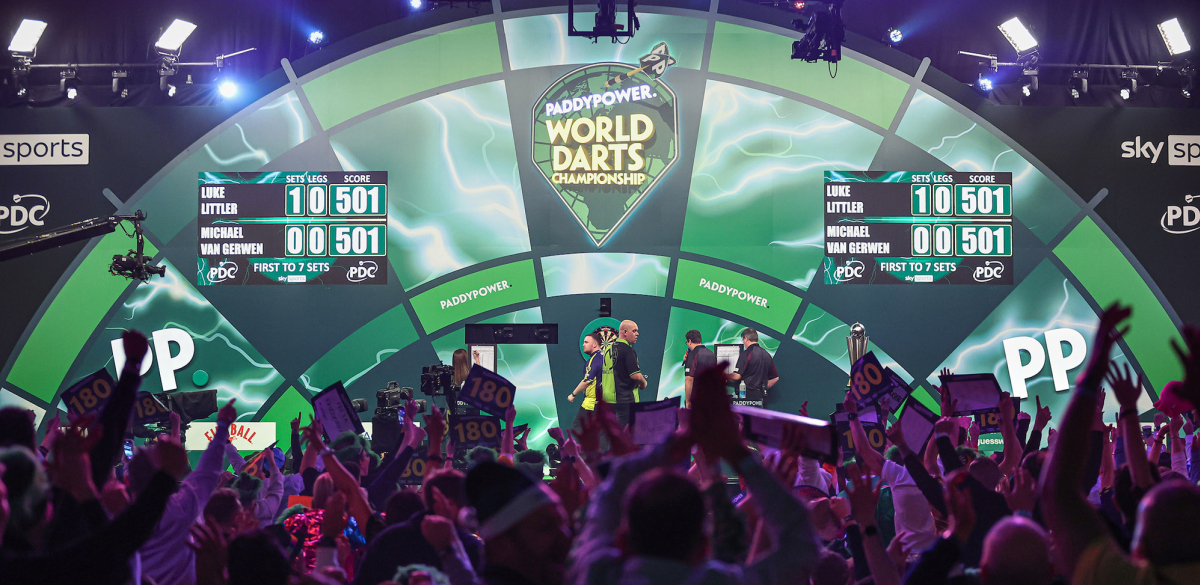
London’s Alexandra Palace hosted a packed crowd last night for the start of the 2025/26 PDC World Darts Championship. The event draws millions of viewers each December as a key part of the sports calendar. It combines sharp skills with intense crowd reactions that keep fans hooked. Reigning champion Luke Littler opened strong with a 3-0 win over Darius Labanauskas from Lithuania. The 18-year-old hit seven 180s and posted a 101.54 average to show he means business this year.
Littler’s Strong Opening Win Builds Momentum for Defense
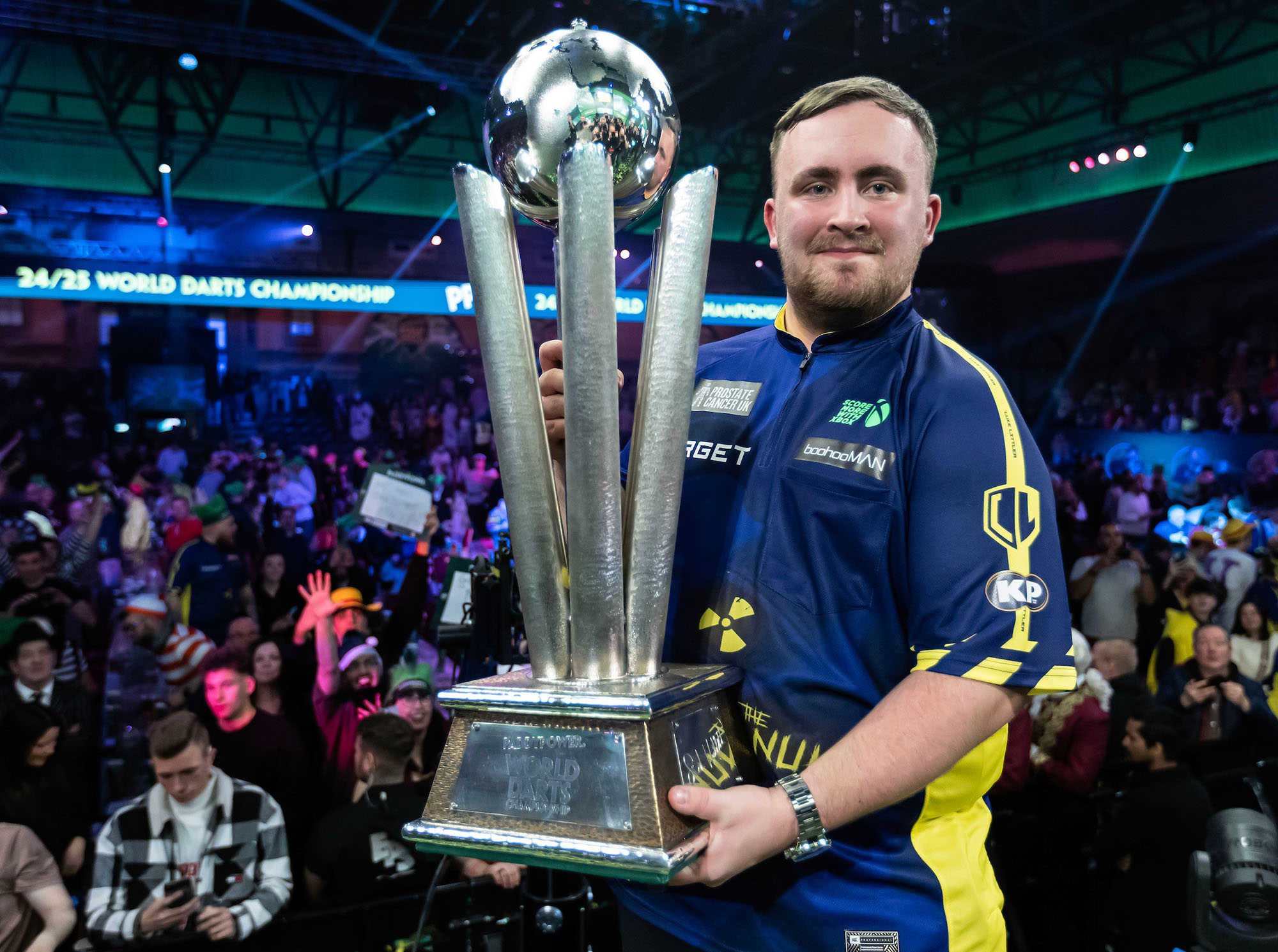
Luke Littler took the 2024/25 title by beating Michael van Gerwen in the final. That success made him the youngest world number one in darts history at age 17. As the top seed this time, he faces tough competition from 127 other players. His quick victory last night removed any early concerns about his form. He sealed the match with a 16-dart finish on double six. Labanauskas fought back with a 95.25 average in spots. Littler’s accuracy carried him through without dropping a set. This result puts him on track for a possible repeat championship run.
The tournament offers a record £5 million in total prizes this year. The winner claims £1 million on January 3 after three weeks of play. Players earn a £180,000 bonus for any nine-dart finish, shared equally with Prostate Cancer UK and a random fan. Paddy Power supports the cause further with their Even Bigger 180 program. They donate £1,000 to the charity for every 180 scored during the event. Dozens of maximums landed on the first night alone. These efforts link exciting plays to important donations in a direct way.
Early Days in Pubs Built a Strong Local Base
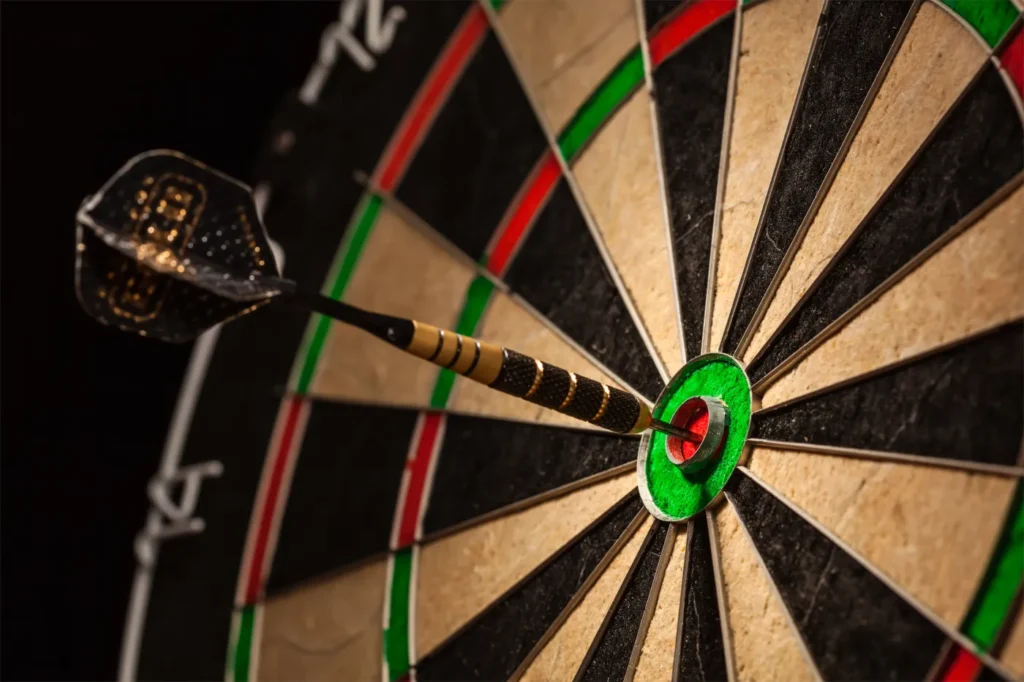
Darts began as a basic game in British pubs hundreds of years ago. People played it after work for fun or small bets around simple boards. The sport appealed to many because it required no special equipment or large spaces. By the early 1900s, organized leagues formed in pubs across the country. Local teams competed weekly for local pride and trophies. These setups created strong community ties that last in the sport today.
Radio broadcasts in the 1930s helped grow interest beyond local areas. Stations covered league matches for audiences at home. A major publicity win came in December 1937 during a royal visit. King George VI and Queen Elizabeth stopped at a Slough community center. They joined an exhibition darts match there. Photos showed the Queen beating the King, and papers ran the story widely the next day. This moment drew in new groups like women and families to the game.
Television Coverage Created National Stars in the 1970s and 1980s
TV changed darts completely starting in the 1970s. Shows broadcast close-up views of key moments and player reactions. Audiences loved the close scores and sudden shifts in momentum. Stars like Eric Bristow rose to fame quickly. He won five world titles with steady play and quick comments. John Lowe brought clean technique over three decades of success. Jocky Wilson added energy with his bold style that filled venues. Bobby George stood out with flashy outfits and big entrances. These figures turned matches into regular TV events. Fan numbers grew as the blend of competition and entertainment pulled in new crowds.
PDC Formation in 1993 Drove Professional Growth
Top players grew unhappy with the old rules and low pay by the early 1990s. In 1993, figures like Bristow, Lowe, and Phil Taylor started the World Darts Council. It soon became the Professional Darts Corporation, or PDC. The group focused on higher prizes, better events, and wider promotion. Money for winners jumped from small amounts to millions overall. New TV tournaments filled the schedule around the World Championship. Events like the Premier League, UK Open, and World Matchplay added variety. Darts turned into a full-year professional tour. Players from Europe, Asia, and other regions joined the mix. This expansion boosted the sport’s reach around the world.
Alexandra Palace Hosts a Busy Schedule Through January
The 2025/26 championship spans December 11 to January 3 at Alexandra Palace. Most days feature two sessions of matches under bright lights. A short break happens over Christmas from December 24 to 26. New Year’s Eve serves as a rest day before the end. Top seeds like Littler enter later to heighten the buildup. Early rounds see qualifiers in tight battles that often grab attention. Last night’s other results included Arno Merk’s 3-1 upset over Kim Huybrechts. Madars Razma beat Jamai van den Herik in four sets. Michael Smith won 3-0 against Lisa Ashton to advance English players.
Viewership data shows the sport’s rise clearly. The 2023/24 final hit 3.71 million peak viewers on Sky Sports. It ranked as the top non-football show on the channel that year. Littler’s 2024/25 win over van Gerwen reached 3.1 million at peak. Online clips from social media gain tens of millions of views per event. Platforms like TikTok pull in younger fans with quick edits of high scores and perfect legs. The live crowd at Alexandra Palace adds to the appeal. Fans chant, wear costumes, and play walk-on music for players. This setup turns games into lively events full of surprises.
Real Stories and Close Matches Keep Fans Engaged
Darts stands out through the personal angles of its players. Littler’s quick rise from junior ranks draws steady interest. Veterans like van Gerwen push for comebacks after tough losses. Rivalries add layers with history between key names. The format tests focus and calm more than speed or strength. One missed shot can change everything in seconds. This setup creates high-stakes moments that grab casual watchers right away.
Today at Alexandra Palace brings more matches in the second round. Littler prepares for his next opponent while others seek early knockouts. The 2025/26 PDC World Darts Championship starts strong with big money and fresh matchups. It holds a top spot on the December sports lineup for good reason. Fans can catch live action and see the next big moments take shape.
Frequently Asked Questions
Who is Luke Littler and why is he the biggest name in the 2025/26 PDC World Darts Championship?
Luke Littler, the 18-year-old English sensation, won the 2024/25 title as the youngest champion ever. His explosive style, record-breaking averages, and meteoric rise from junior leagues to world number one make him the focal point this year. Expect deep dives into his training routine, rivalries with Michael van Gerwen, and predictions for his title defense.
What are the biggest changes and new features in this year's PDC World Darts Championship at Alexandra Palace?
The 2025/26 event boasts a £5 million prize pot, up from previous years, with expanded charitable tie-ins like Paddy Power's £1,000 donations per 180 to Prostate Cancer UK. A record 128-player field, enhanced streaming options, and a festive schedule pausing for Christmas add fresh excitement. Learn how these tweaks boost accessibility for global fans.
How can beginners start playing darts at home and follow the pro tour like the World Championship?
Darts requires just a board, flights, and basic rules—start with pub-style 501 games via free apps for scoring practice. To track pros, follow PDC TV streams, TikTok highlights, or apps like DartCounter. Tips include gripping techniques from stars like Littler and joining local leagues to feel the Ally Pally vibe.

Hi, I’m Adam and I cover a mix of football, gaming and general sports stories for GameDayRoundup. I like writing in a way that keeps things simple, direct and enjoyable for everyone, whether you follow the sport every day or just check in now and again. I always try to bring a bit of personality to the articles I work on, along with careful editing to make sure everything is accurate and easy to understand.